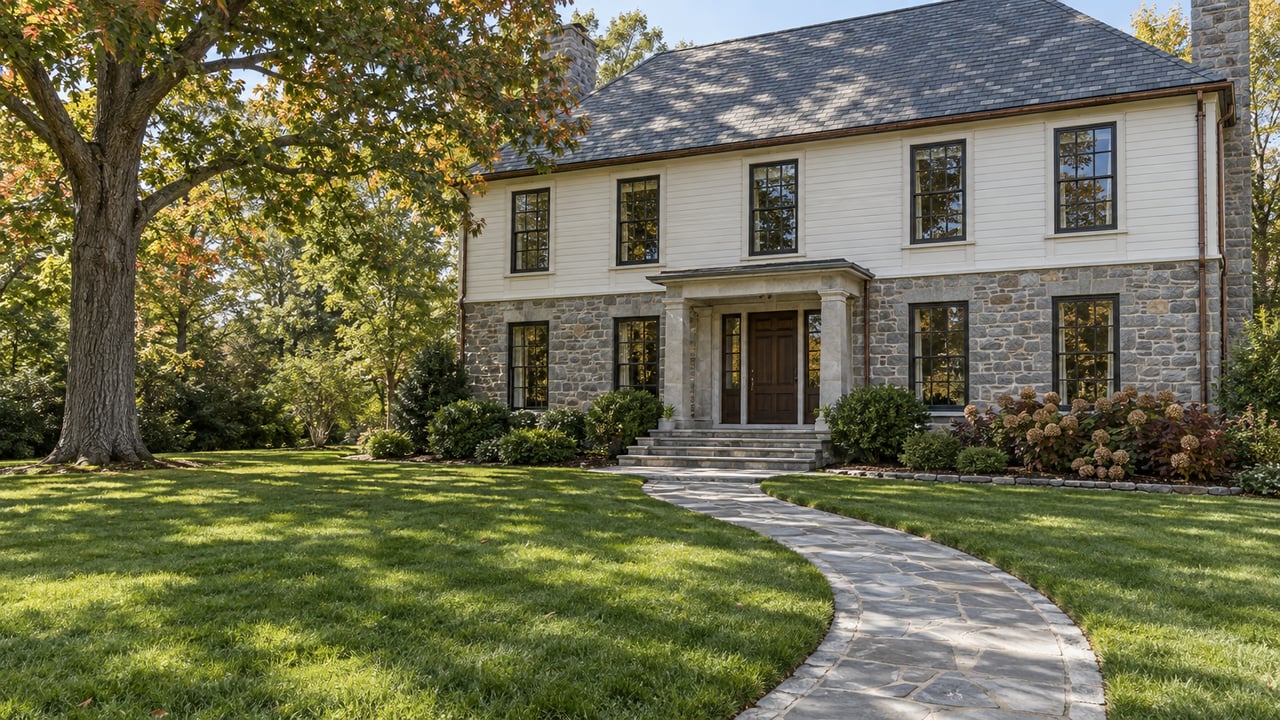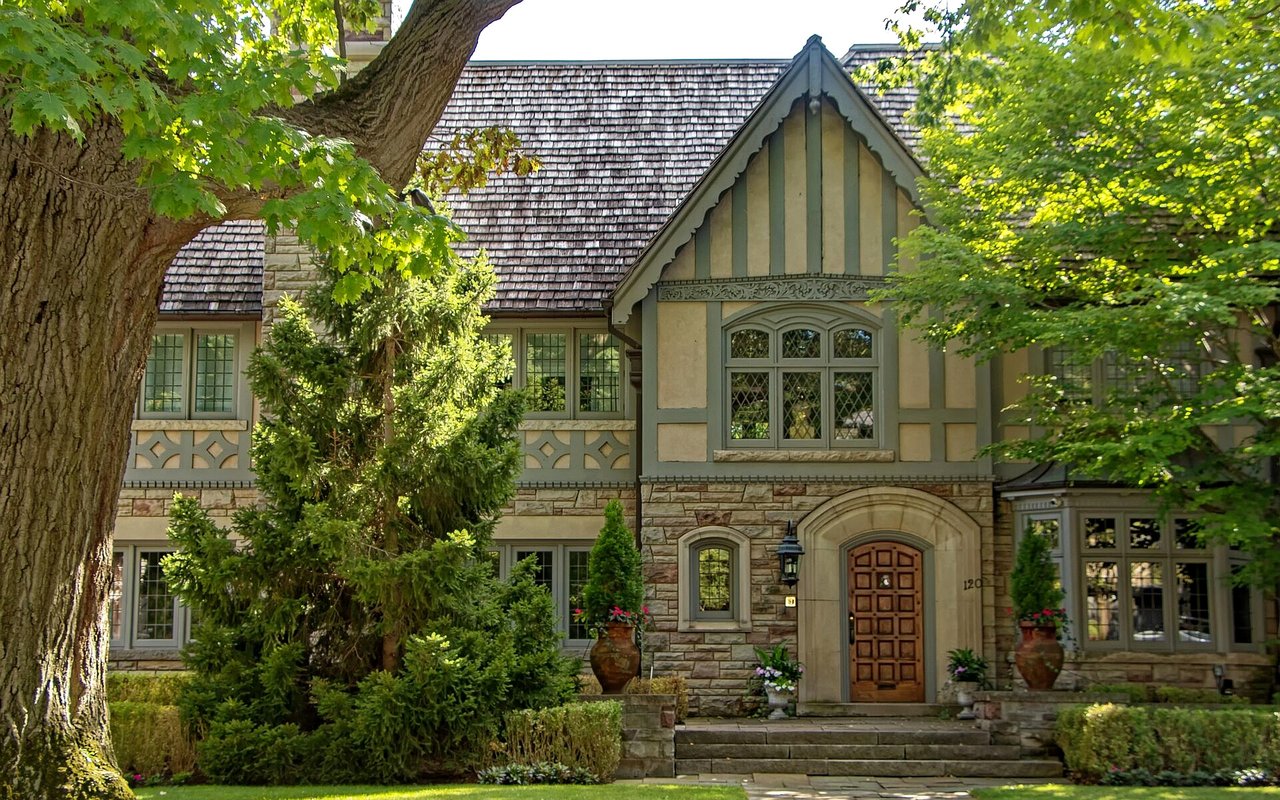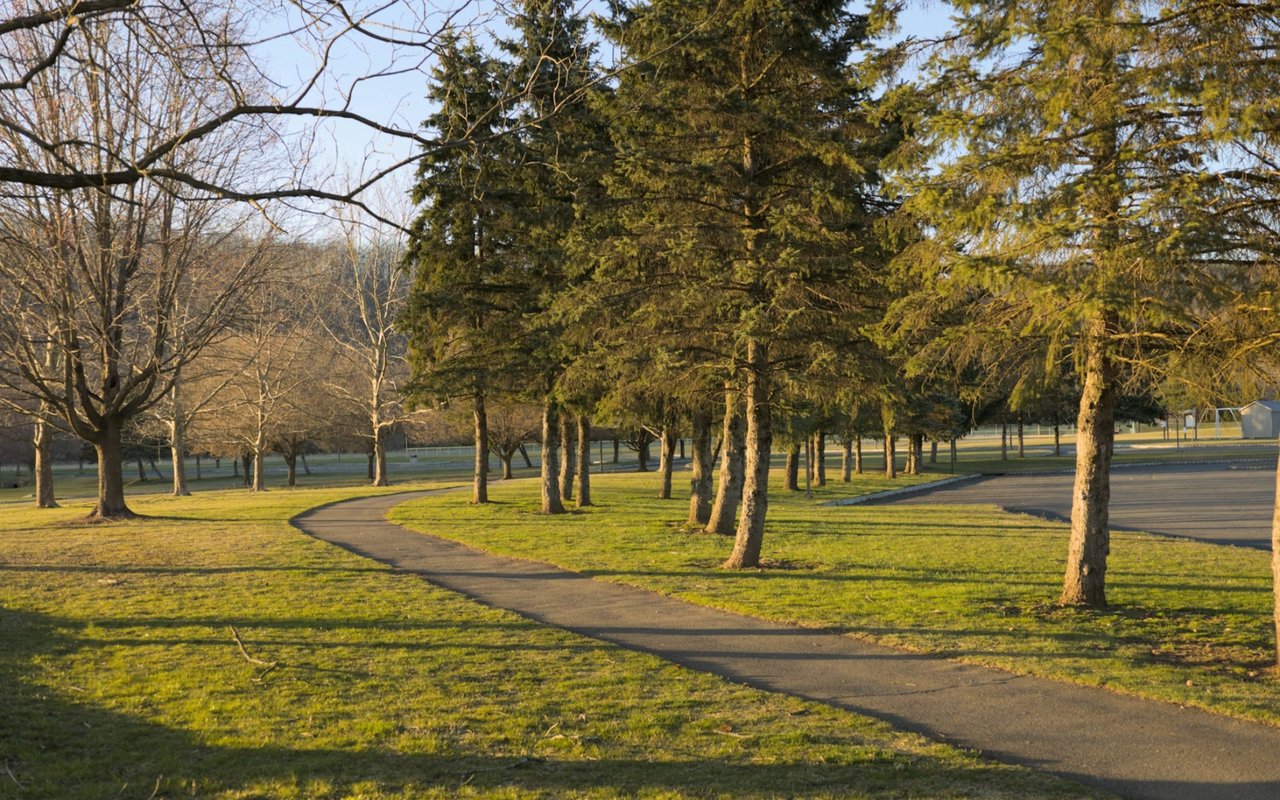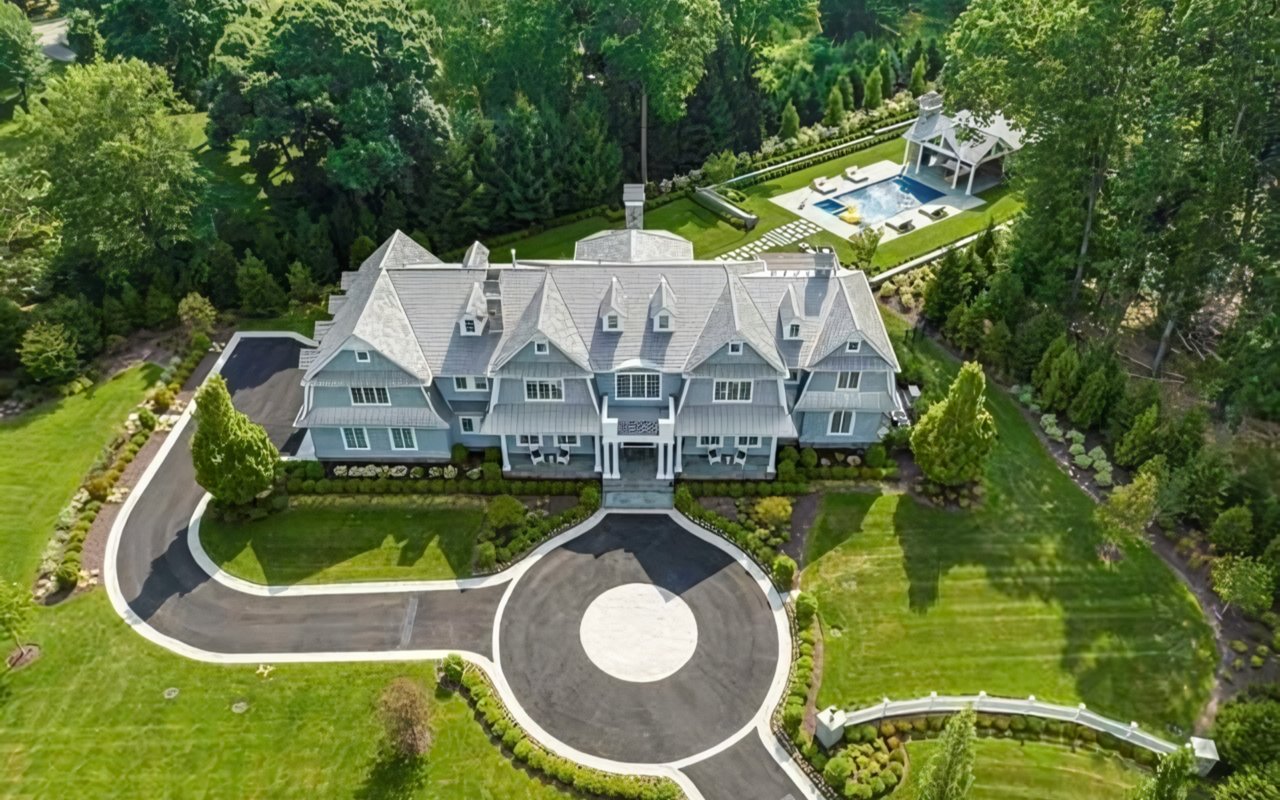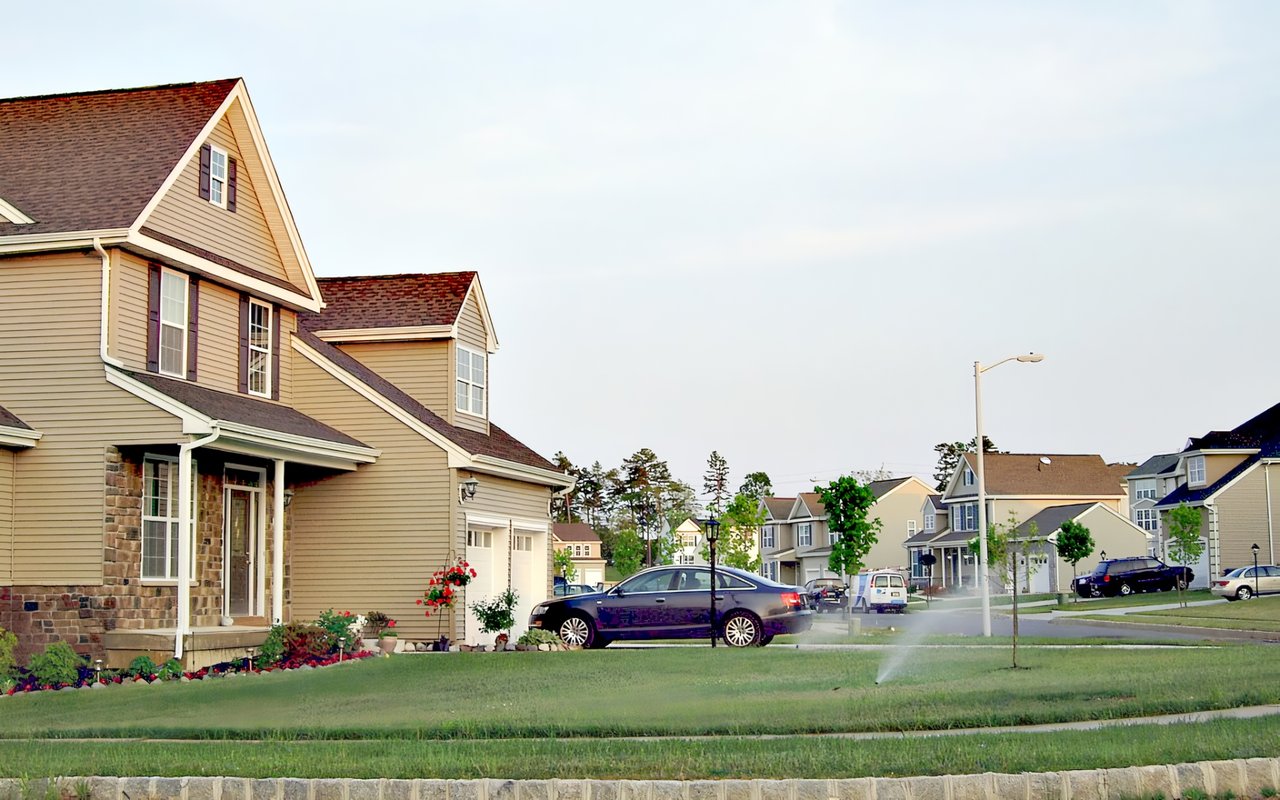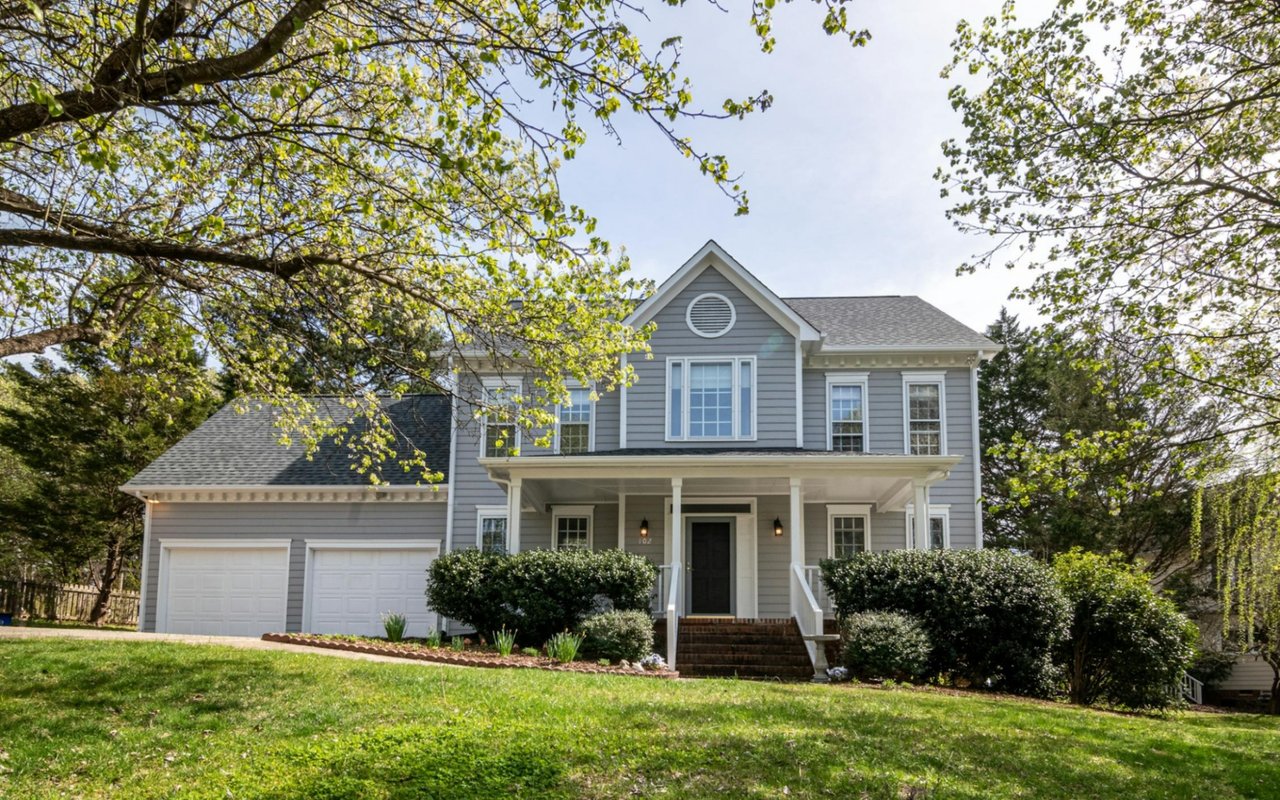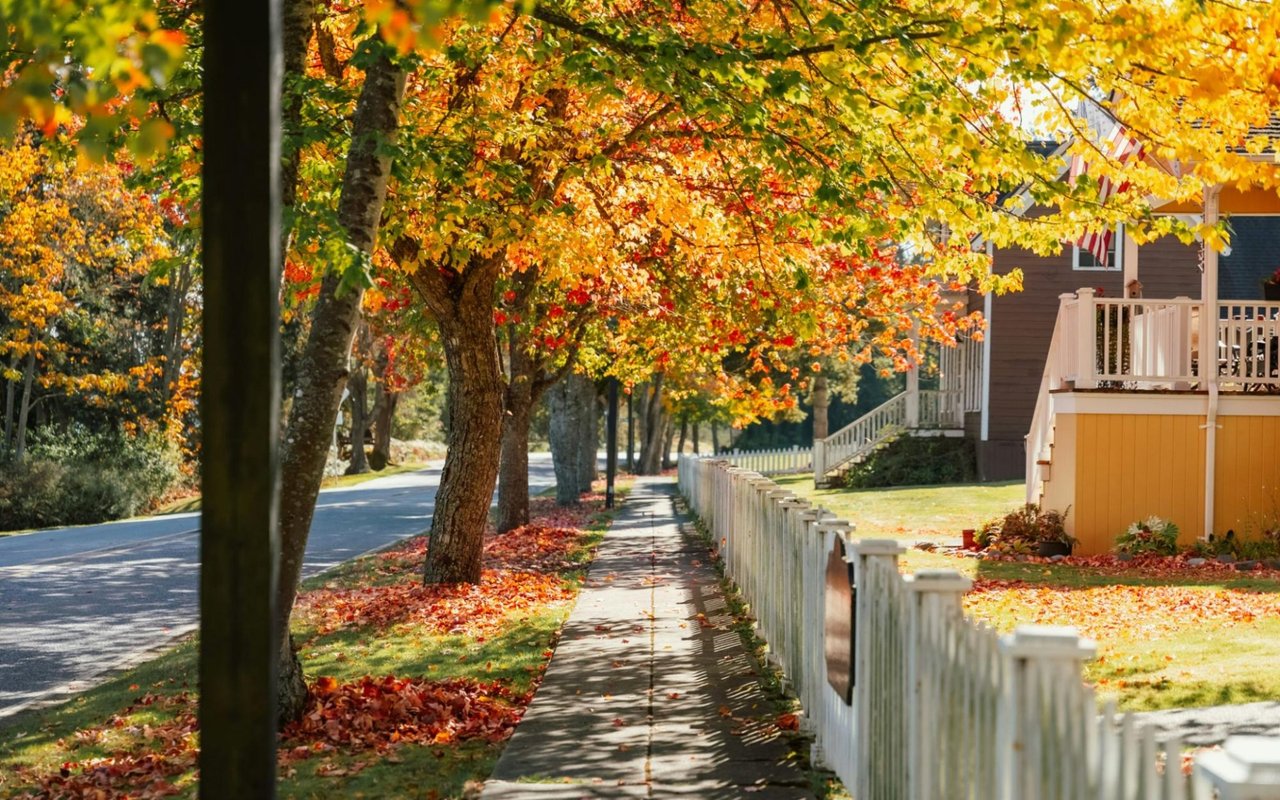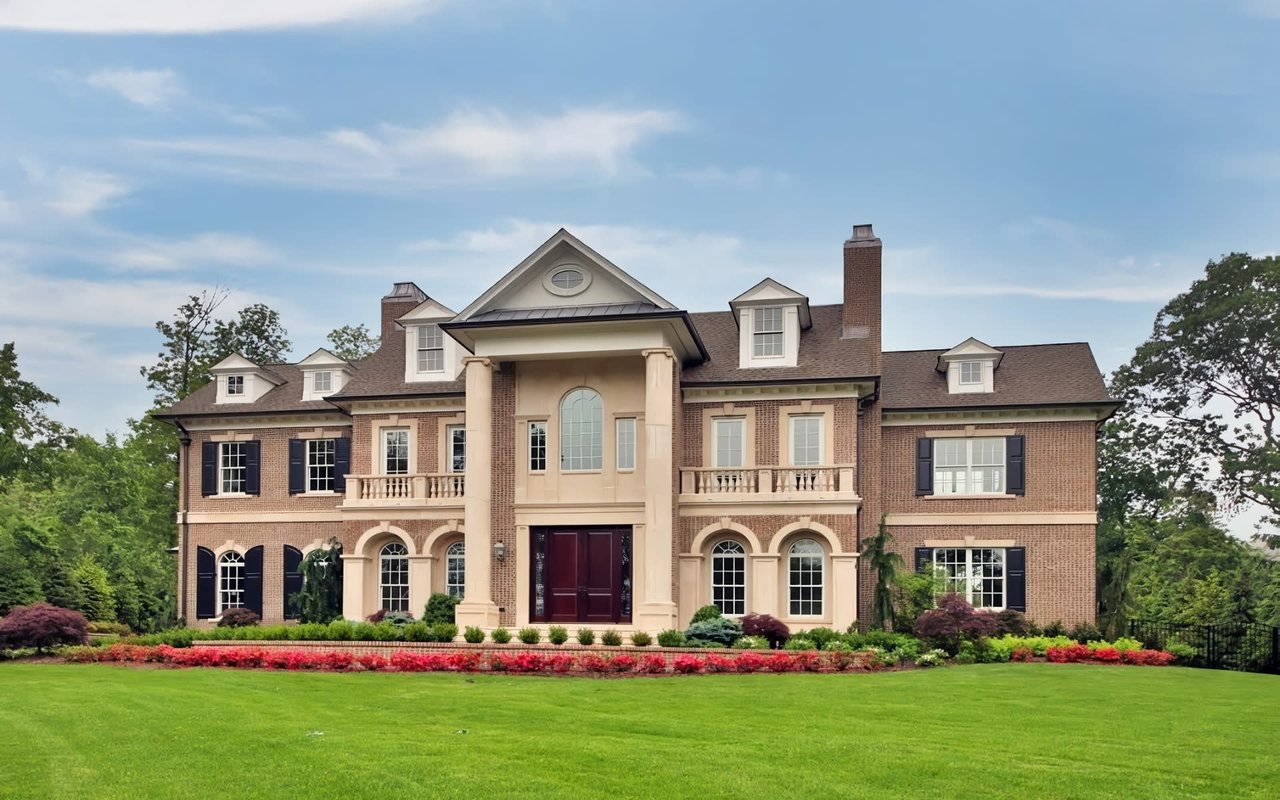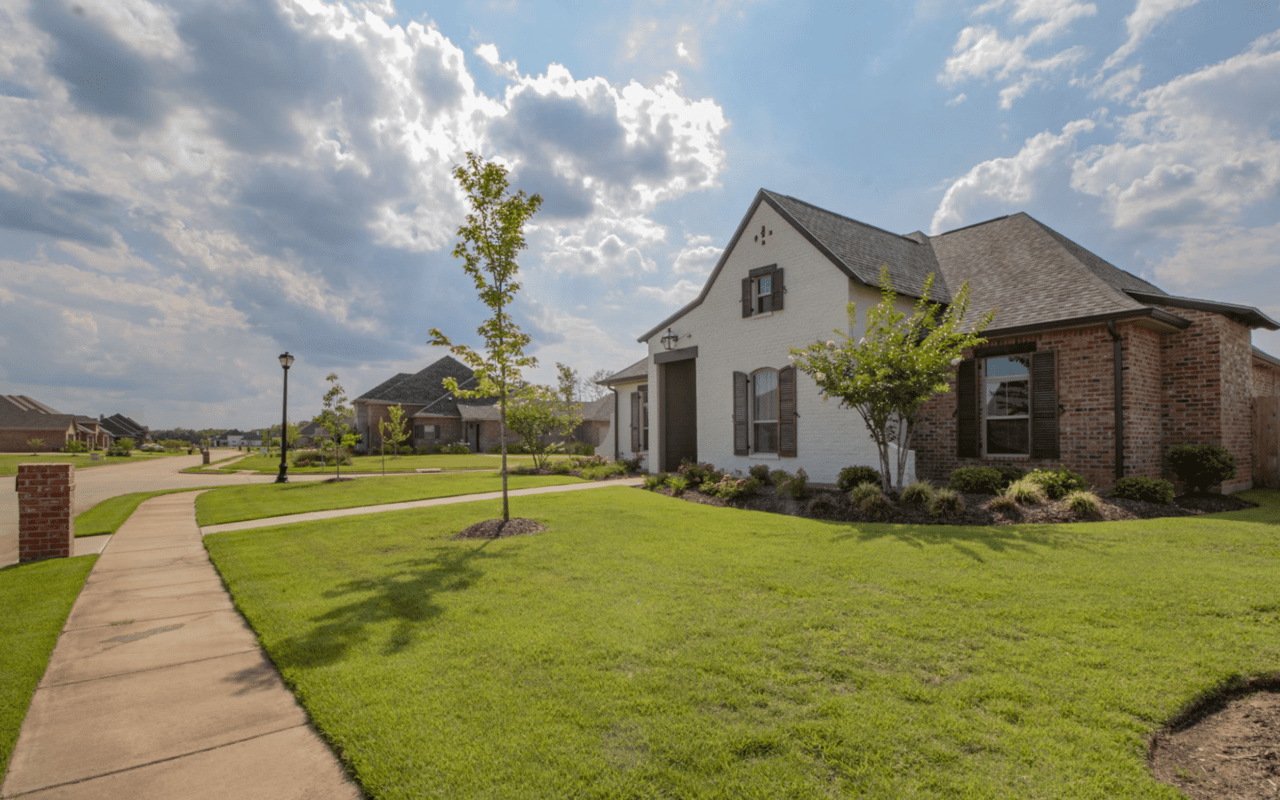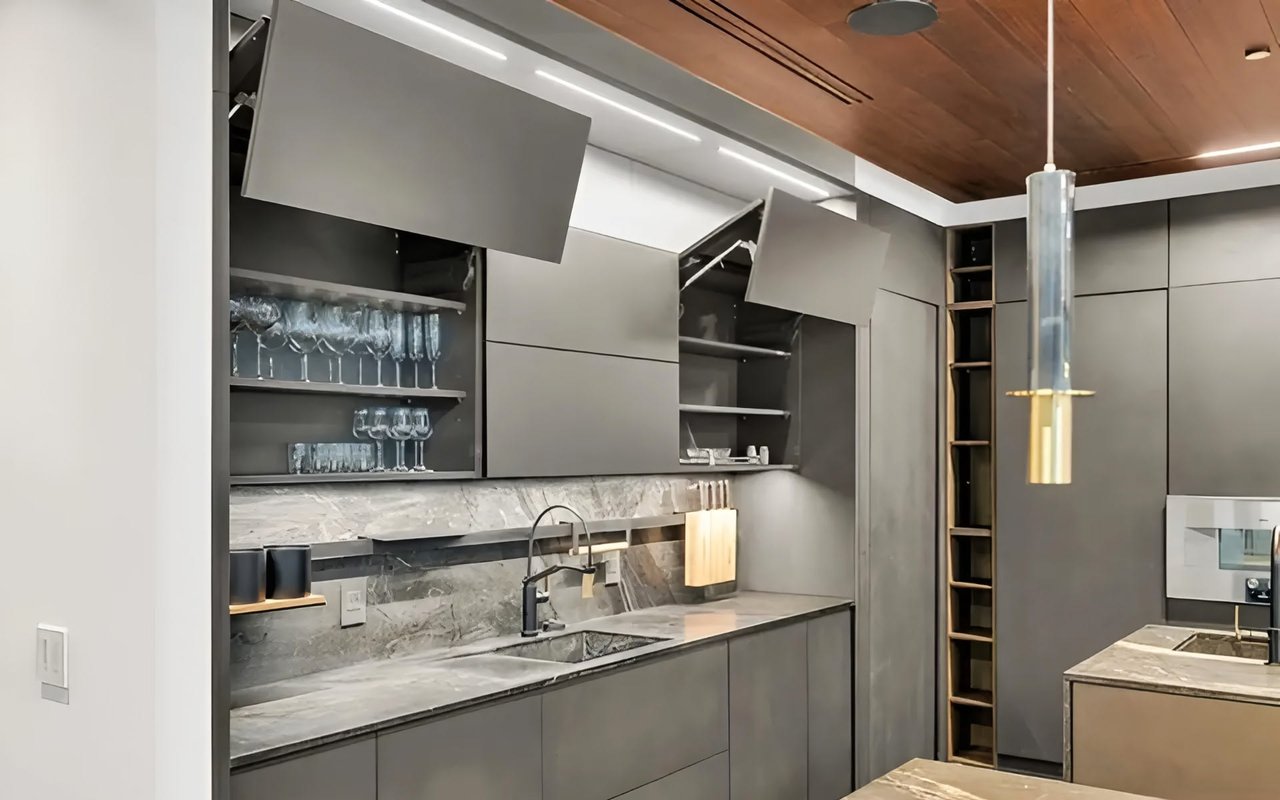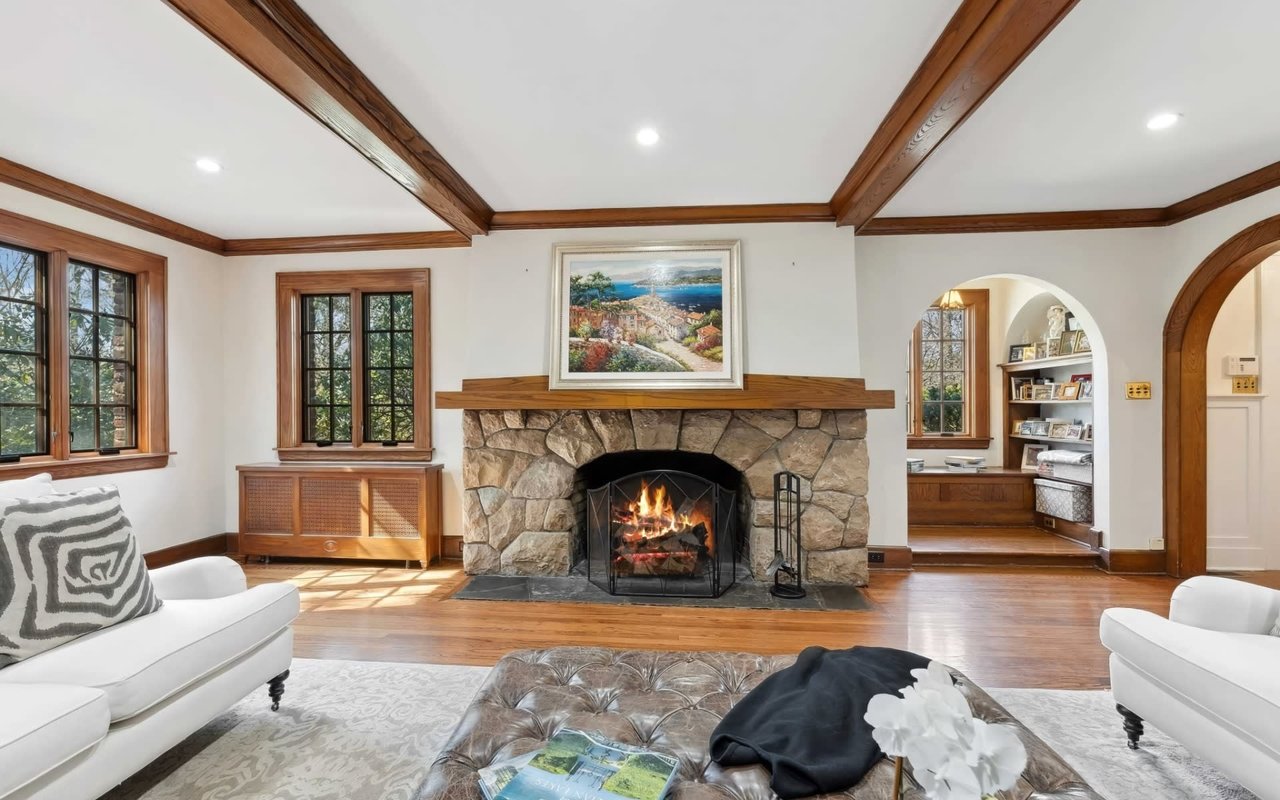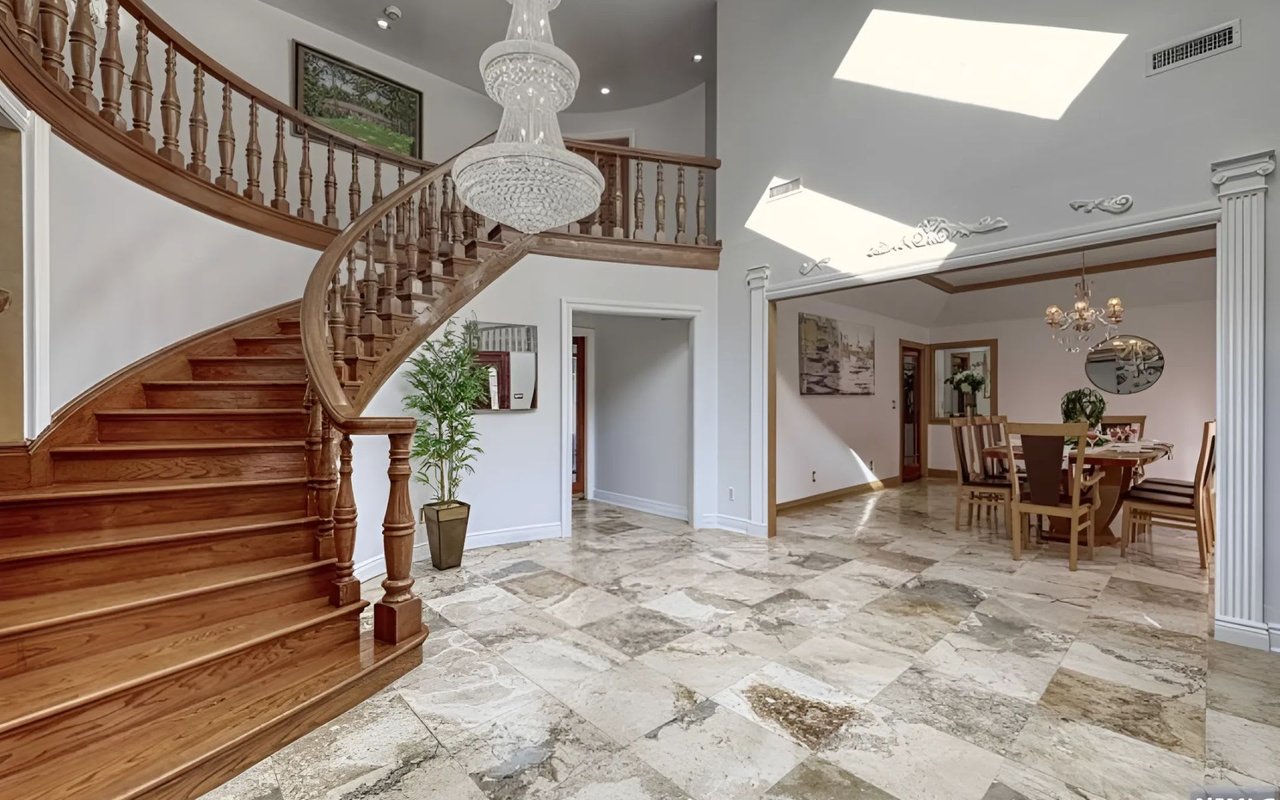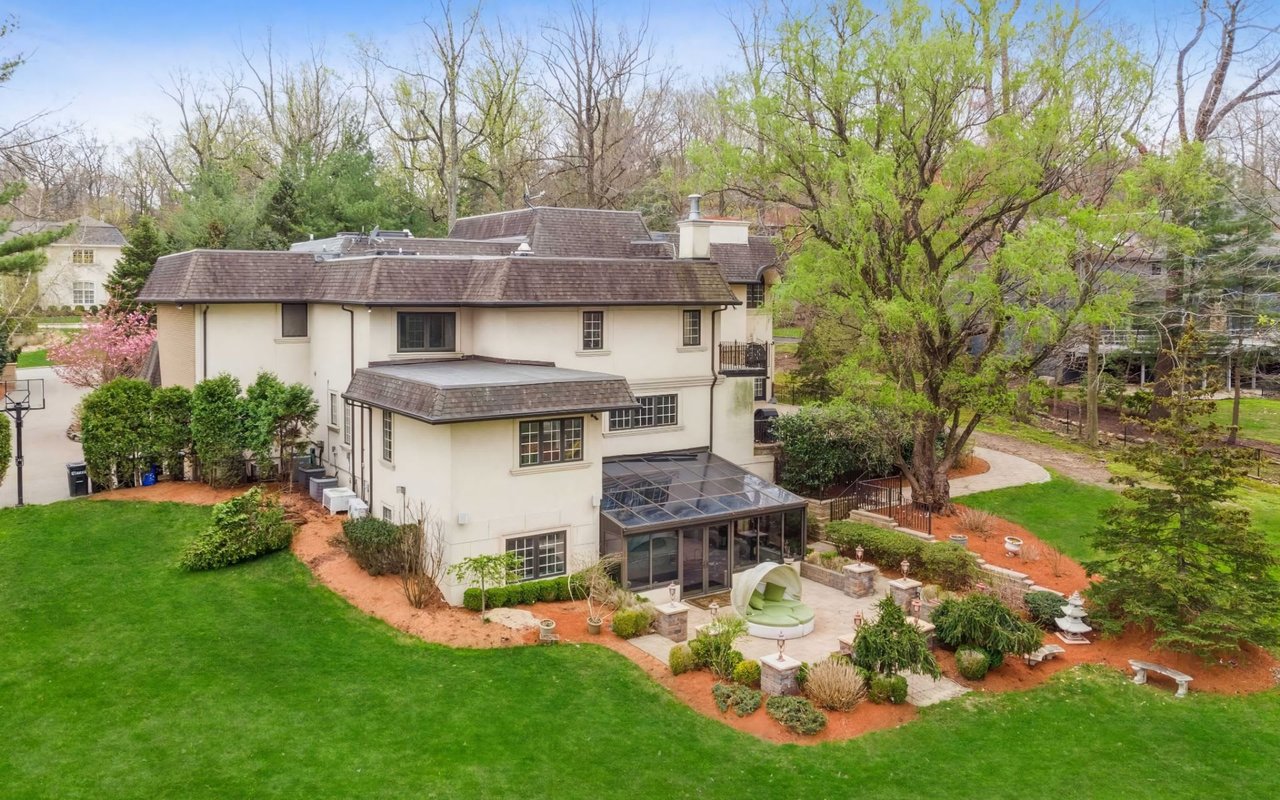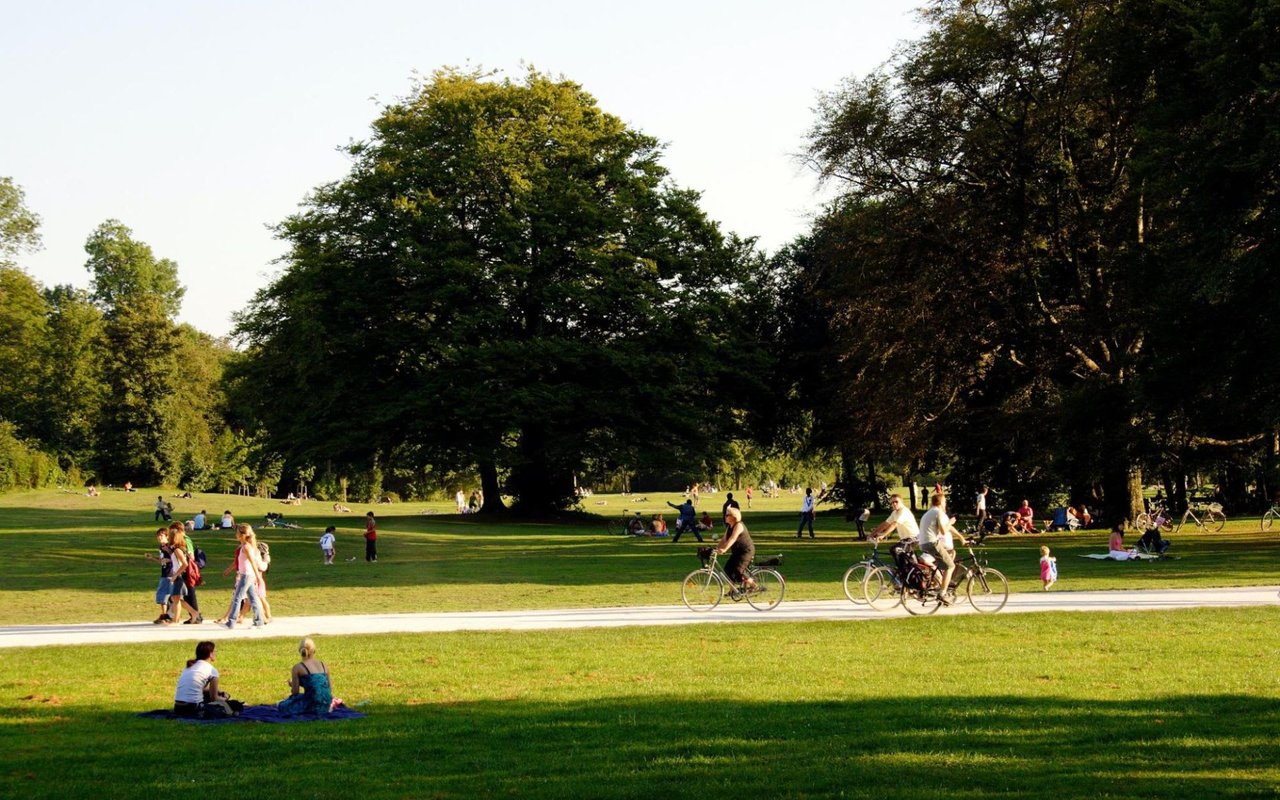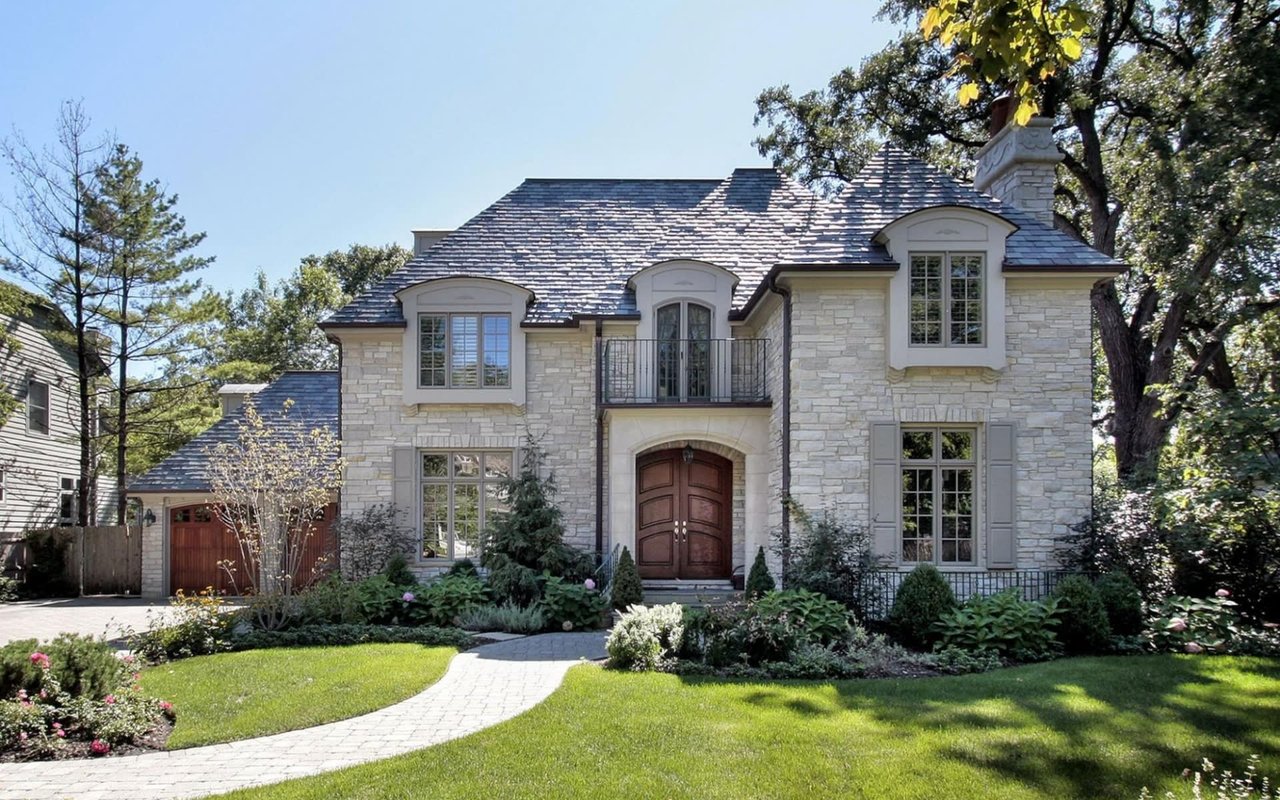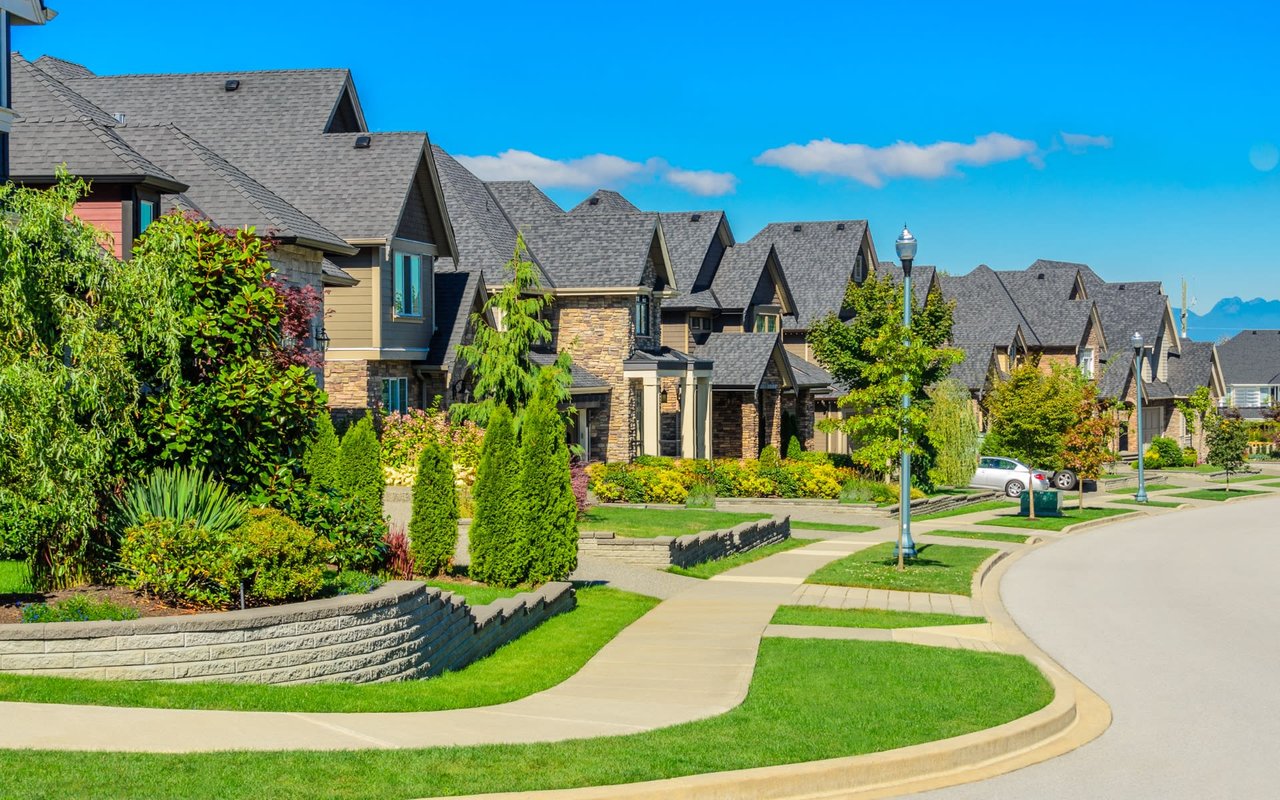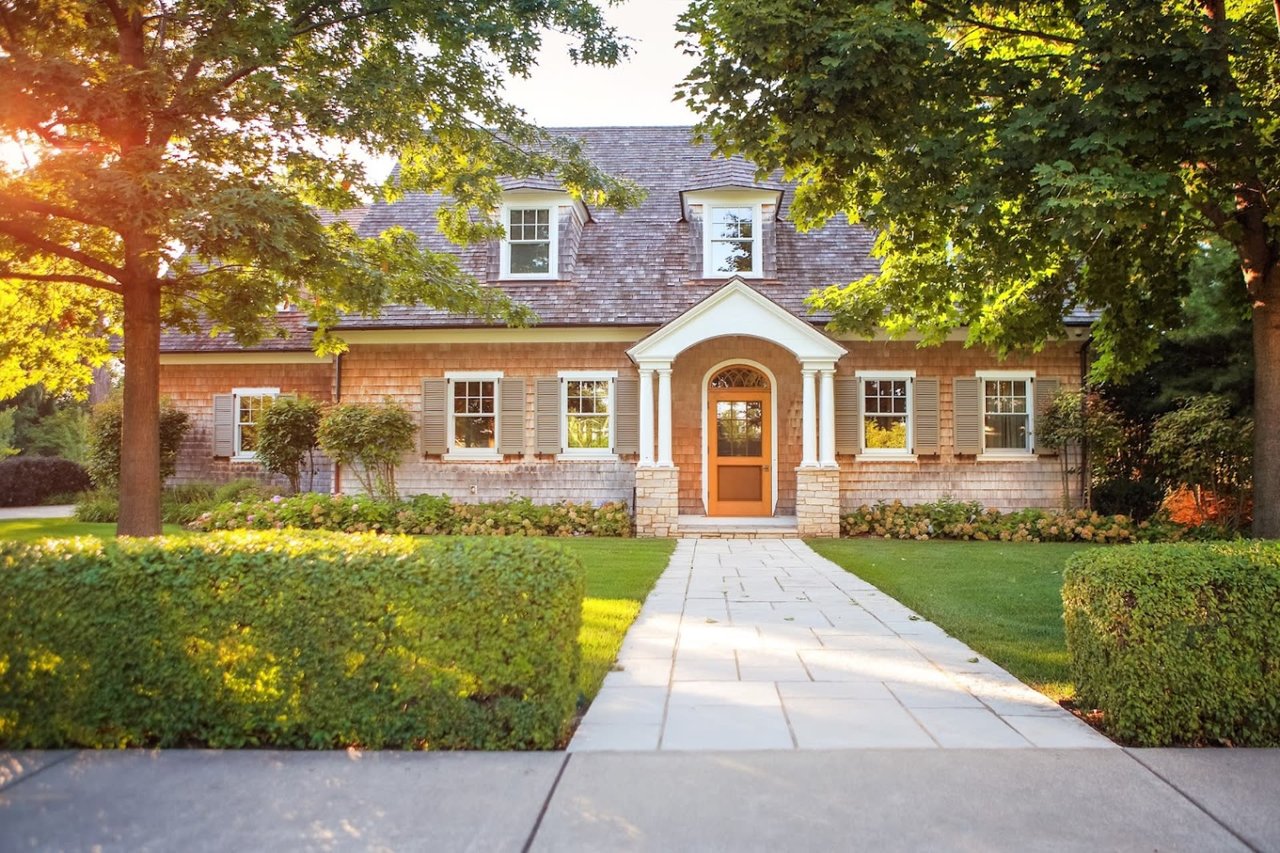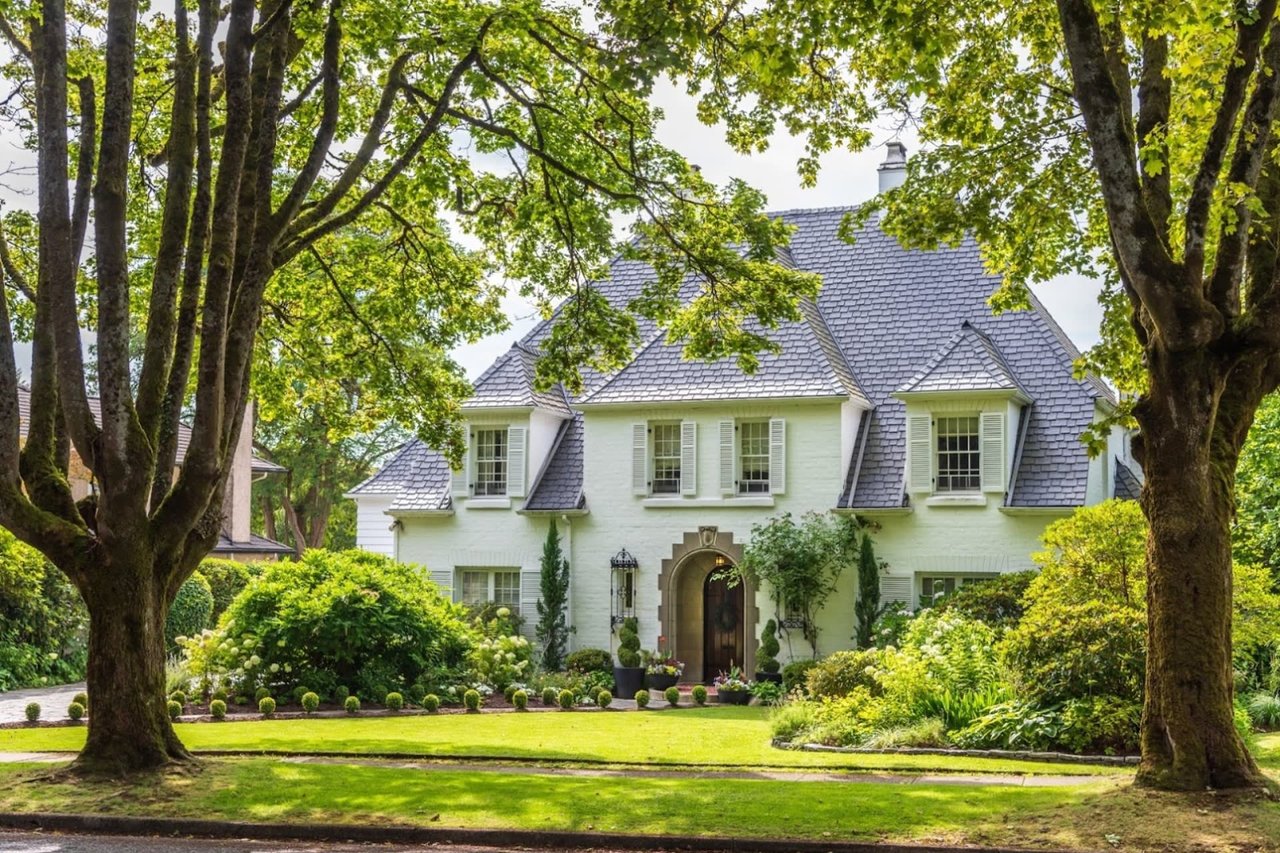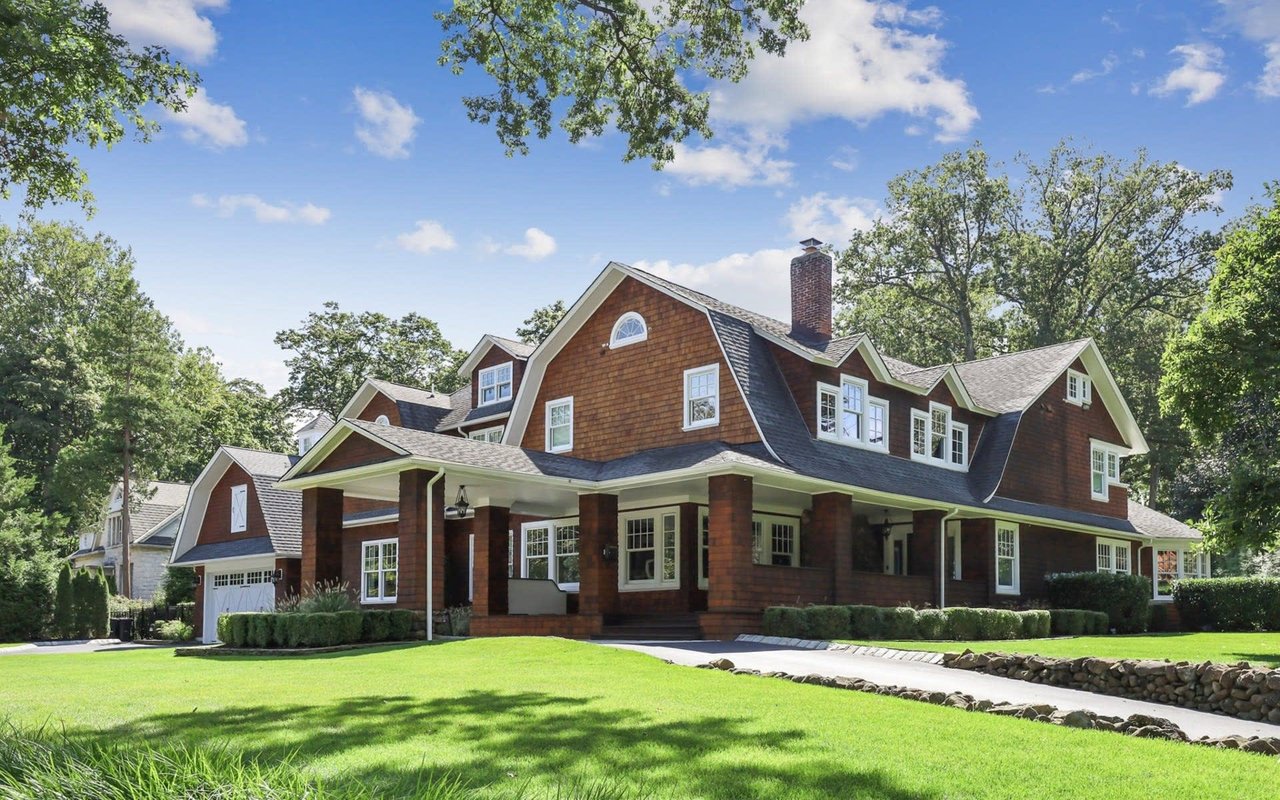
There is no Main Street to walk in Upper Saddle River. No block of storefronts where you'd bump into three neighbors before finishing your coffee. Residents looking for that kind of afternoon can drive five minutes into Ridgewood or Ramsey. The borough was built around large treed lots and long driveways, not sidewalks lined with shopfronts.
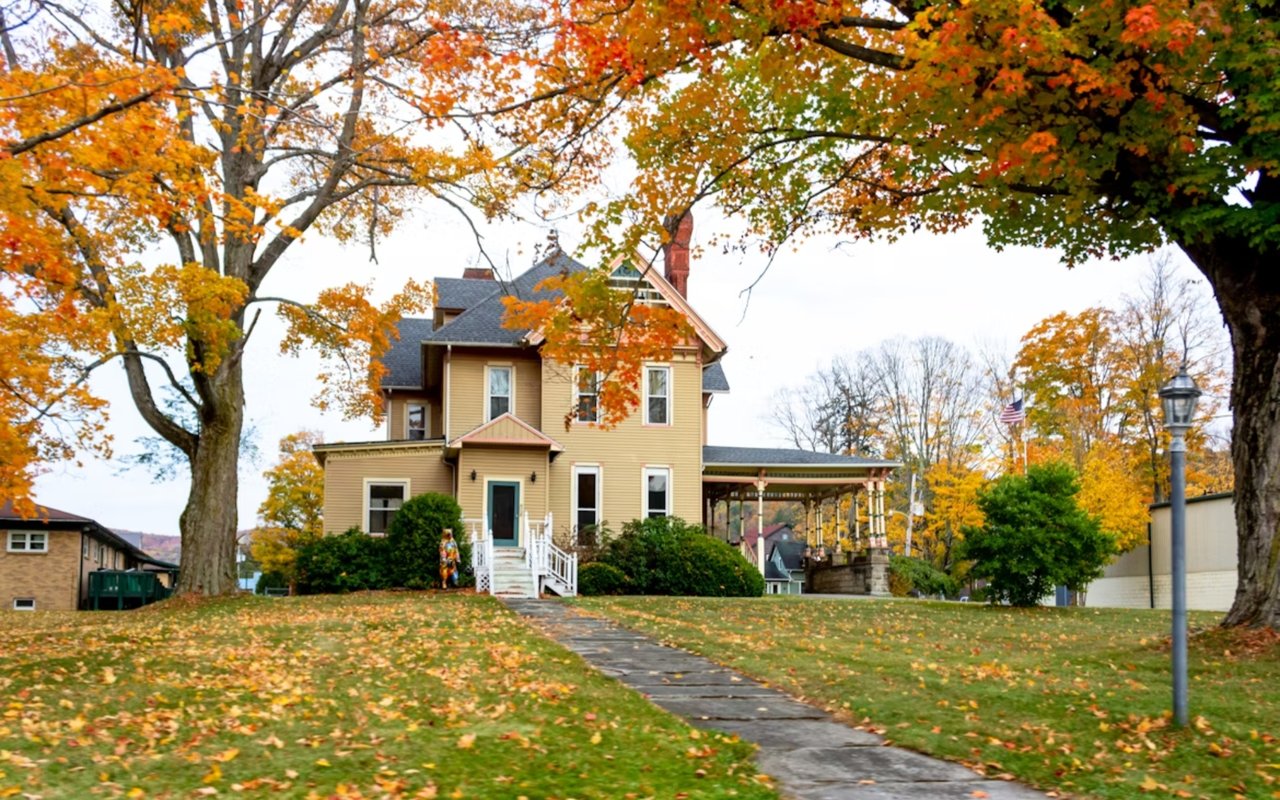
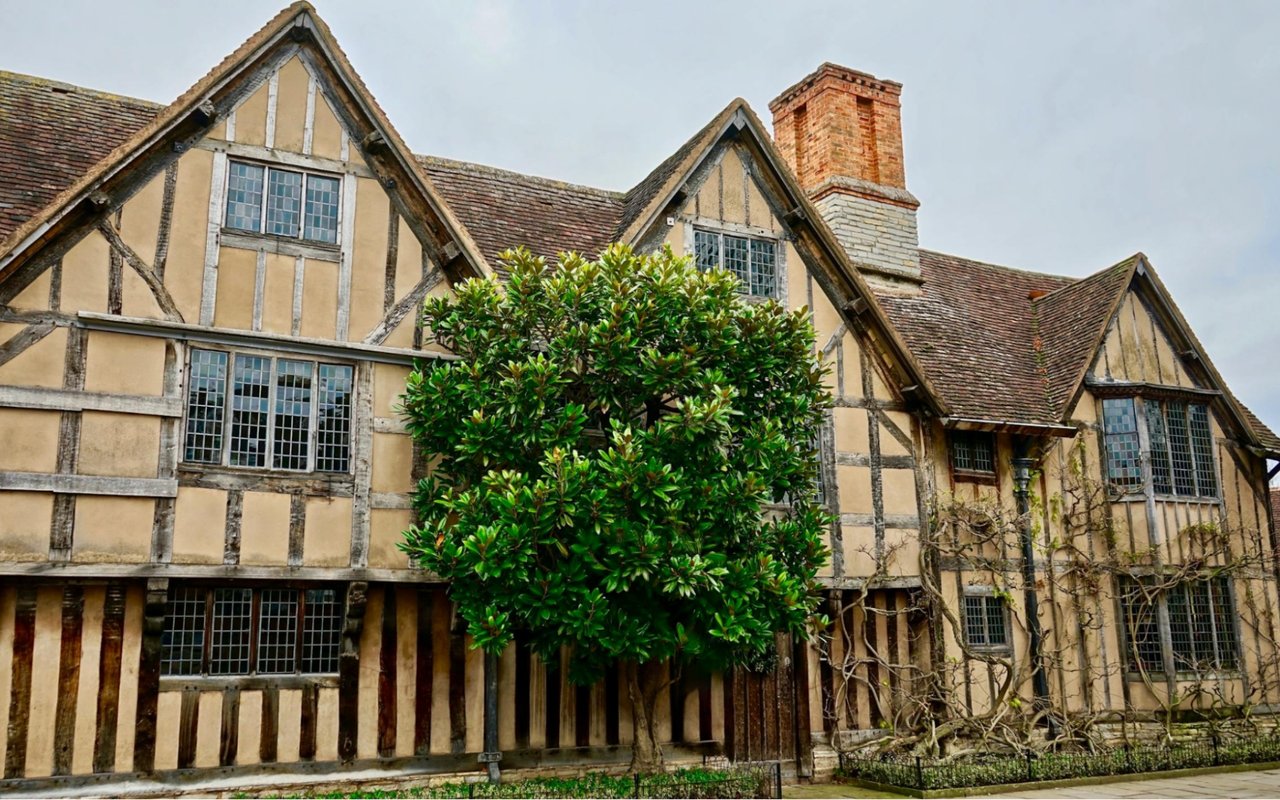
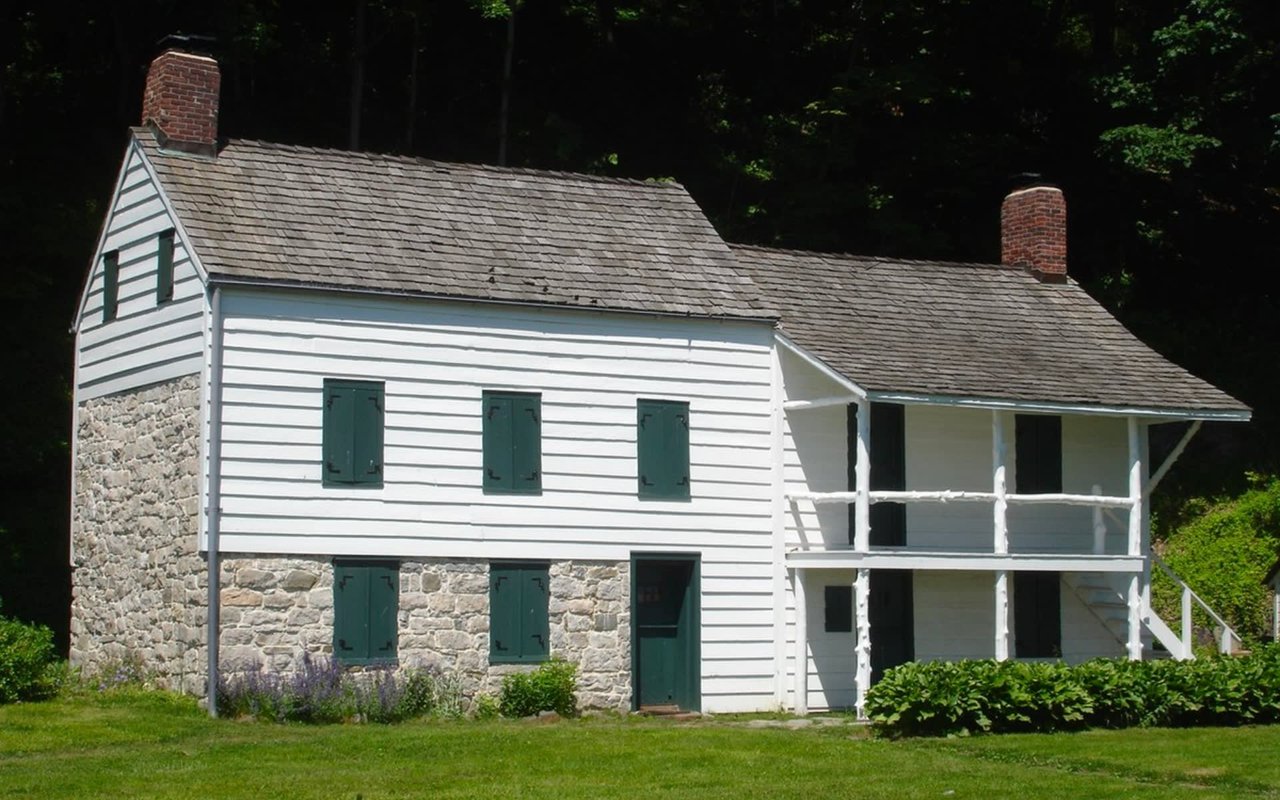
The borough also has its own kind of town square. It's a restored 18th-century farmhouse near the library, and on a surprising number of Sundays this summer, cars have been turning into its lot for reasons that have nothing to do with real estate, zoning, or anything you'd find on a portal listing.
Summer Sundays at the Hopper-Goetschius House
The Upper Saddle River Historical Society keeps the Hopper-Goetschius House Museum open every Sunday in July and August from 2 to 4 p.m., a stretch the group calls Summer Sundays. There's no ticket to buy in advance and no RSVP link to click through. You show up, you look at the out-buildings and the museum itself, and if the timing lines up, you catch a demonstration in progress. When the museum lot fills, the library next door absorbs the overflow.
It's a casual stop for residents who happen to be free on a summer afternoon, rather than a ticketed event to plan around.
The People Telling Their Own Family's History
What separates this calendar from a generic small-town history museum is who's doing the talking.
When the Historical Society ran a Zoom presentation on the Anona Park Club, the lakeside club that once drew families from crowded Bergen and Hudson County cities out to picnic tables by Anona Lake on weekends, the presenters were Bill and Dave Yeomans, grandsons of the club's founder, William H. Yeomans. They weren't reciting borough archives. They were narrating their own grandfather's project.
The same pattern shows up in the Society's Hearthside History Chat series. One installment, presented by Barry Huber, covered the Harry Himsel Ranch and the rodeo it hosted in the 1950s, an event that reportedly drew thousands of spectators to town and was hosted by TV's Sheriff Bob Dixon, whose horse Silver was boarded at the ranch. Another chat pulled together three former school principals to talk through the history of the borough's school system in their own words, not a district press release, but the people who ran it. These chats run as a partnership with the Upper Saddle River Public Library, which means the town's two quietest institutions, the museum and the library, are the ones doing the work of keeping this material alive.
That's the throughline across the Society's speaker series: a fashion show pulling clothing, jewelry, and hats from the museum's own collection, spanning the late 1800s through the 1960s, modeled by student trustees and emceed by Ronnie O'Neill. A talk on quilts by Peggy Norris of the American Quilt Study Group and the Brownstone Quilters, tied to the Bergen County Quilt and Coverlet Show. A visual tour of the borough's architectural history, from the 18th century to the 1970s, led by Trustee and designer Justin van Deursen. None of it reads like a museum performing history at a distance. It reads like a town narrating itself, in the first person, through the people who lived it.
A Regional Heritage Network
A commercial center is one way for a town's shared identity to take shape; in Upper Saddle River, the Historical Society's programs offer another.
The Hopper-Goetschius House is part of a ten-museum regional history network. The Hopper-Goetschius House sits inside a ten-museum regional network coordinated through the Northwest Bergen History Coalition, alongside the Hermitage in Ho-Ho-Kus, the Zabriskie House Museum in Wyckoff, the Old Stone House in Ramsey, the Van Allen House in Oakland, the Schoolhouse Museum in Ridgewood, and several others. A single ticket has historically covered a day of visits across the whole circuit. The borough's museum is one stop on a shared regional heritage trail.
The farmhouse is the local node in a network of towns keeping their history in circulation, told by descendants and former officials rather than plaques.
What This Adds Up To
None of this shows up in a listing description or a walk score. It's the kind of texture that only surfaces if you're paying attention to what a town actually does with its Sundays, and it says something about Upper Saddle River that a median price or a school boundary map never will: the community's identity is carried by people who are still willing to stand up in a Zoom call or a converted farmhouse parlor and explain, in their own words, why a lake club or a rodeo or a one-room schoolhouse mattered. This kind of institutional memory is built through people and institutions, and Upper Saddle River has kept it in circulation.
If you already live here, the Summer Sundays window is still open through the end of August, and the Society's fall lineup, including the Harvest Festival tradition at the Hopper-Goetschius House with its cider pressing and open-hearth cooking demonstrations, tends to pick up again once the weather turns. Check the Historical Society's events page directly for exact dates, since the Society updates its own calendar as programs are confirmed.
For a deeper look at how Upper Saddle River's outdoor spaces round out the picture, our guide to the borough's parks covers Lions Park, Anona Lake, and the recreational side of daily life here. And if you're weighing a move within Bergen County and want a sense of how Upper Saddle River compares to nearby towns, our Upper Saddle River neighborhood page is a good next stop.
At The Kolsky Team, we spend as much time learning the texture of these towns as we do tracking their market data, because the two are never really separate. If you have questions about Upper Saddle River or any other Bergen County community, reach out anytime, and feel free to Search Properties when you're ready to see what's currently available.