By The Kolsky Team
Drive down almost any street in Cresskill, and you'll pass a century of building decisions in the span of a few blocks. A 1920s Tudor, a postwar split, a newly finished colonial on a lot that held something smaller last year. It's one of the things we enjoy most about showing homes here. Here's how the borough came to look the way it does, and what each era means if you're buying.
Key Takeaways
- Cresskill grew from farmland into a commuter suburb in distinct waves.
- Early 20th-century colonials and Tudors define the older streets.
- Postwar capes, ranches, and splits make up a large share of the stock.
- New construction and rebuilds are actively reshaping the borough.
What Shaped the Way Cresskill Was Built?
The commute, more than anything else. Rail service into New York turned the Northern Valley from farmland into suburbs, and Cresskill filled in gradually from there rather than all at once. That slow, piecemeal growth is exactly why you can pass four decades of architecture on a single block.
Why the Streets Look the Way They Do
- The oldest housing sits closest to the old rail corridor, since that's where the first commuters wanted to be.
- Farmland was subdivided in waves across the twentieth century, which put different eras side by side instead of sorting them into districts.
- Lot sizes shift noticeably from one era to the next, so the block you choose often determines the yard you get.
- Cresskill sits within the Northern Valley alongside Alpine, Demarest, and Tenafly, and the four developed on similar timelines.
Which Older Styles Will You Find?
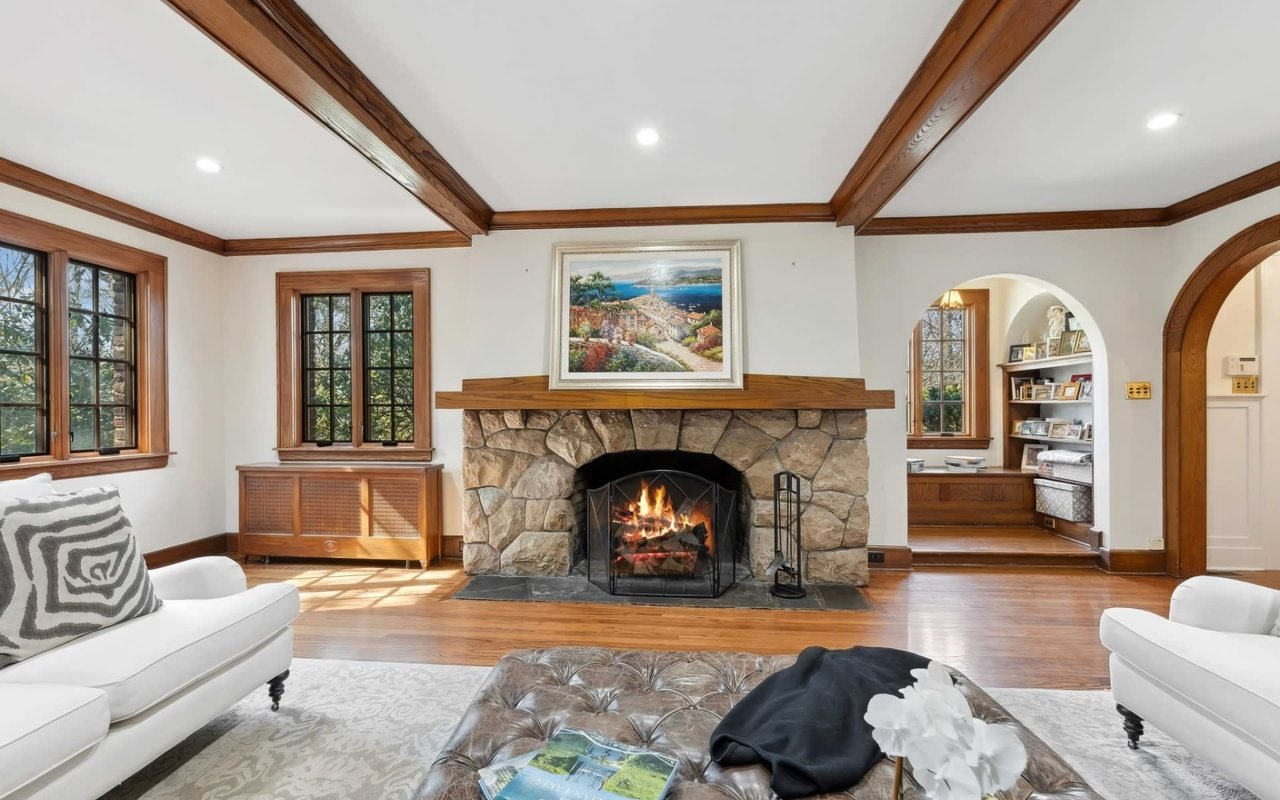
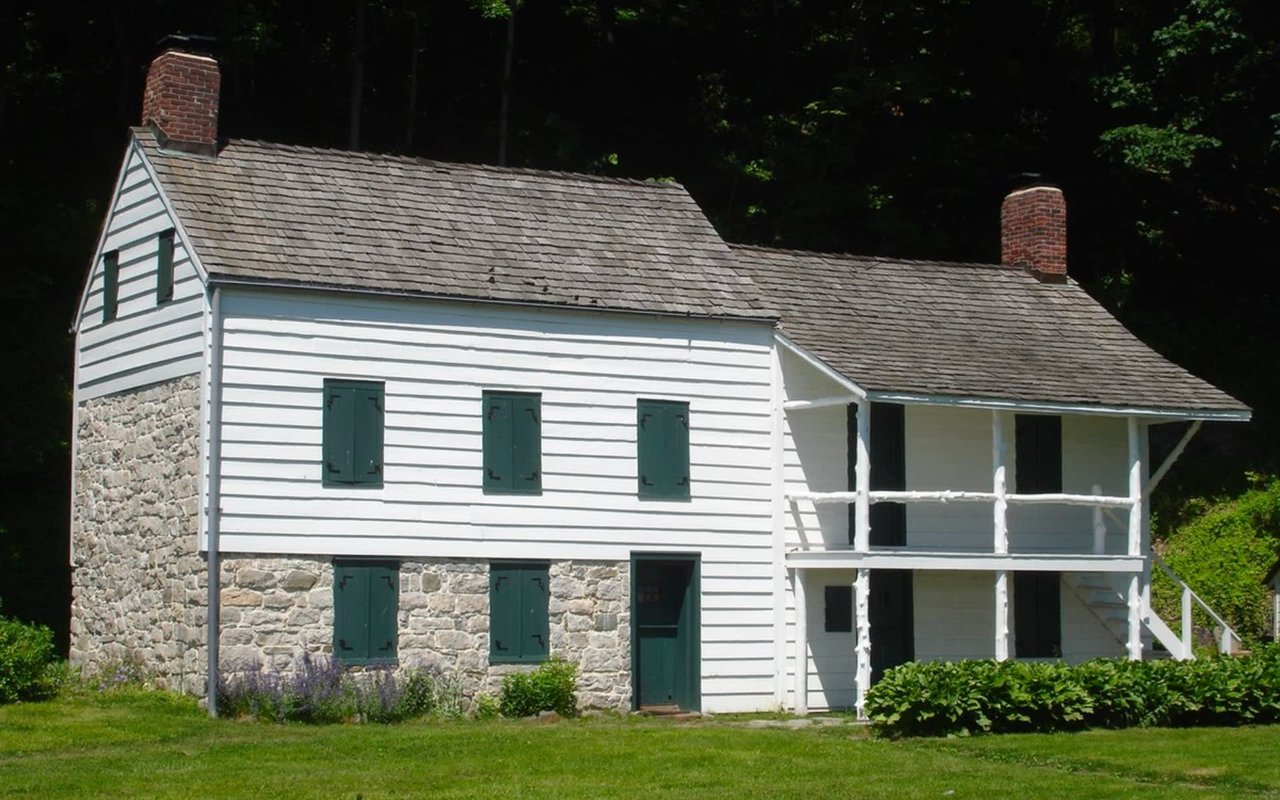
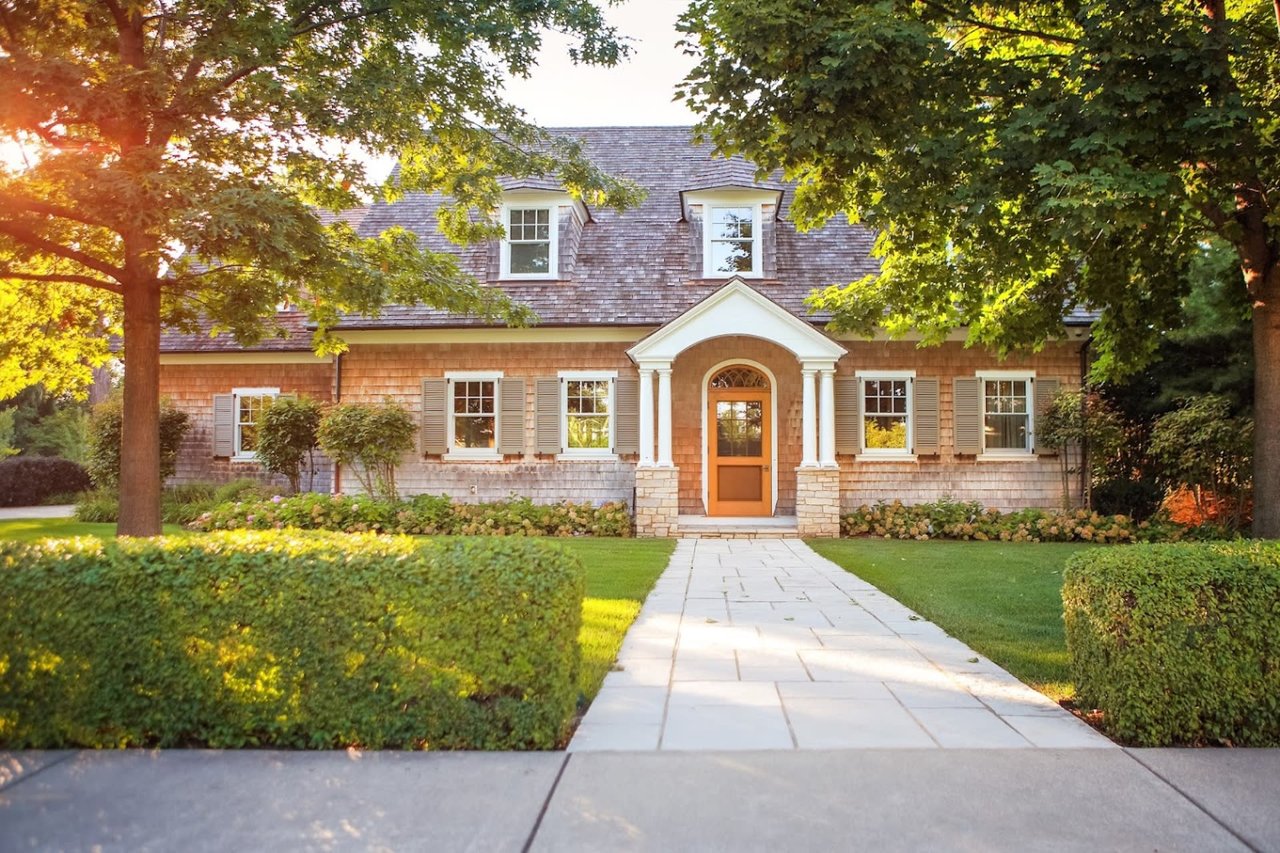
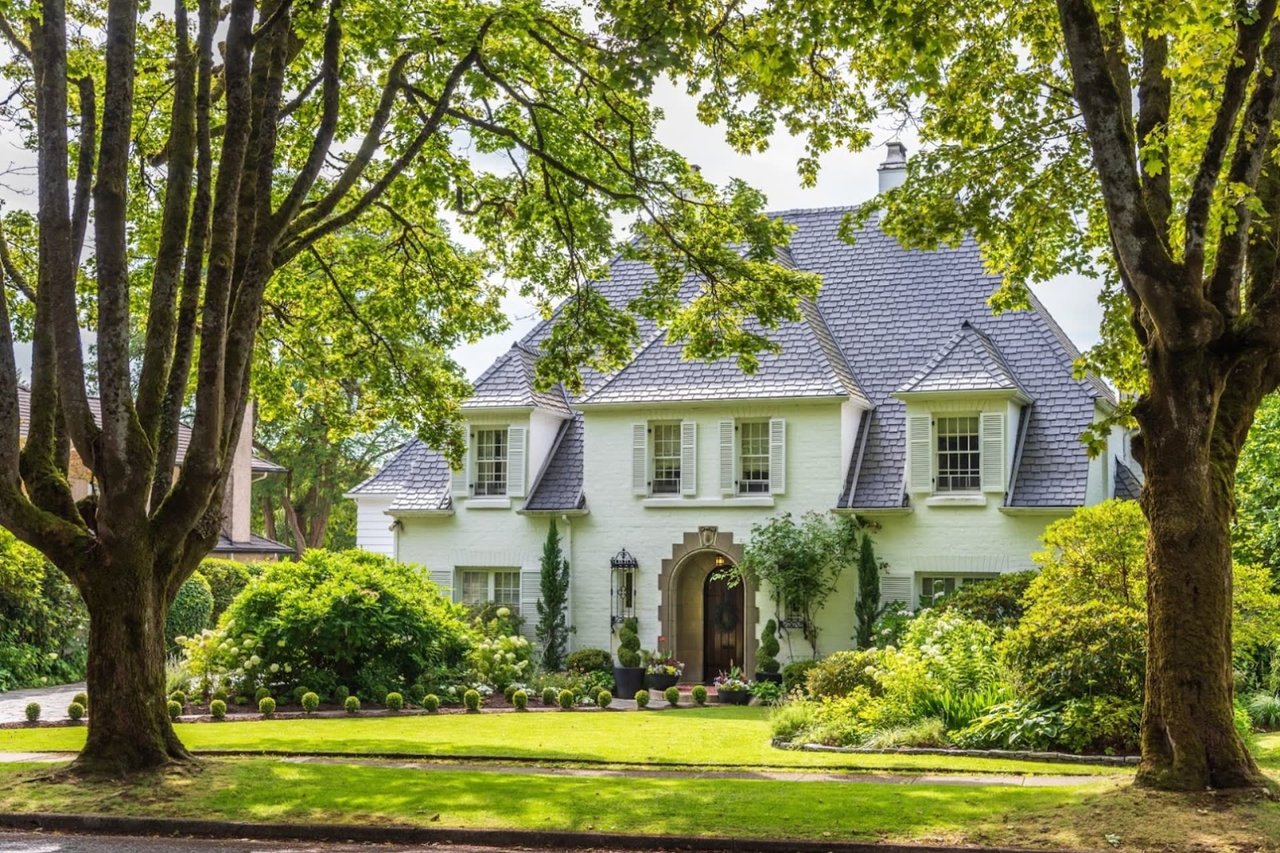
Colonial Revival and Tudor Revival, mostly, with a scattering of Dutch Colonials and the occasional Craftsman. These are the houses that give the older streets their character, and they're the ones buyers most often fall for on a first tour.
What to Look For
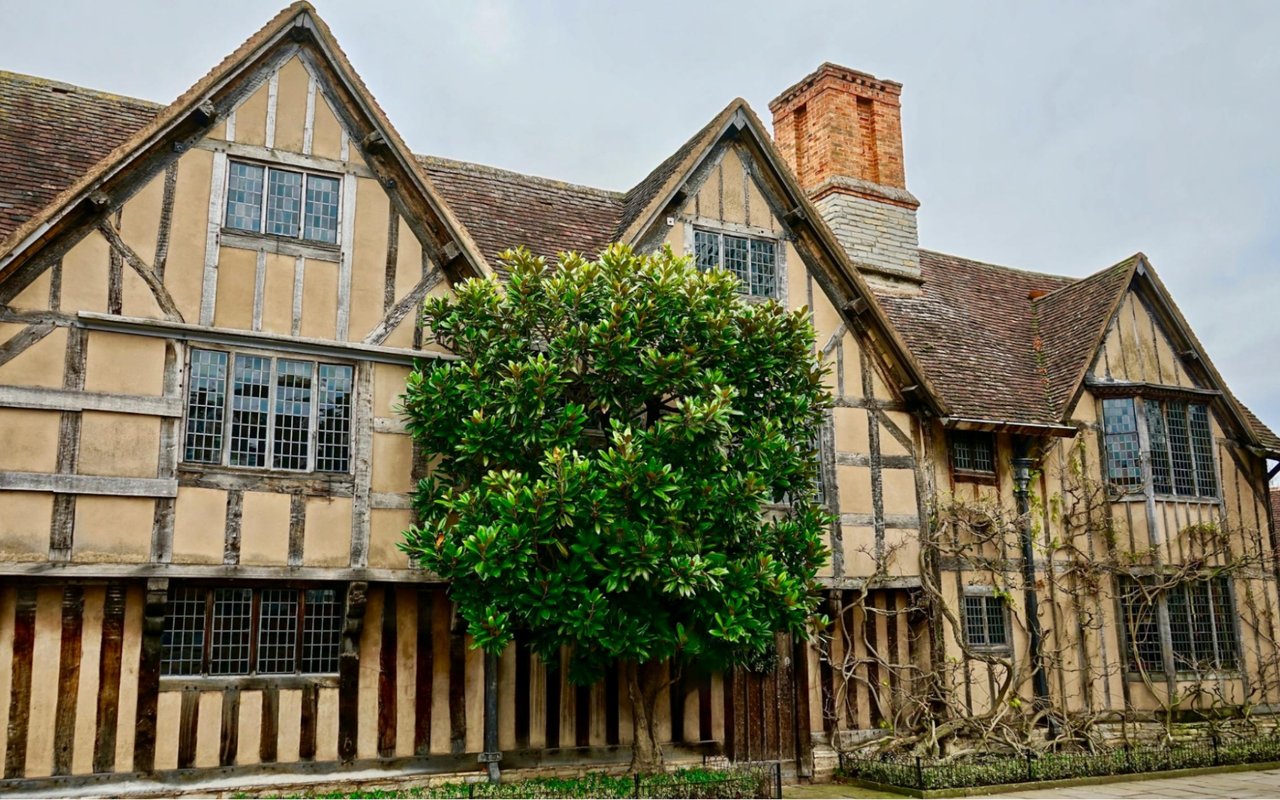
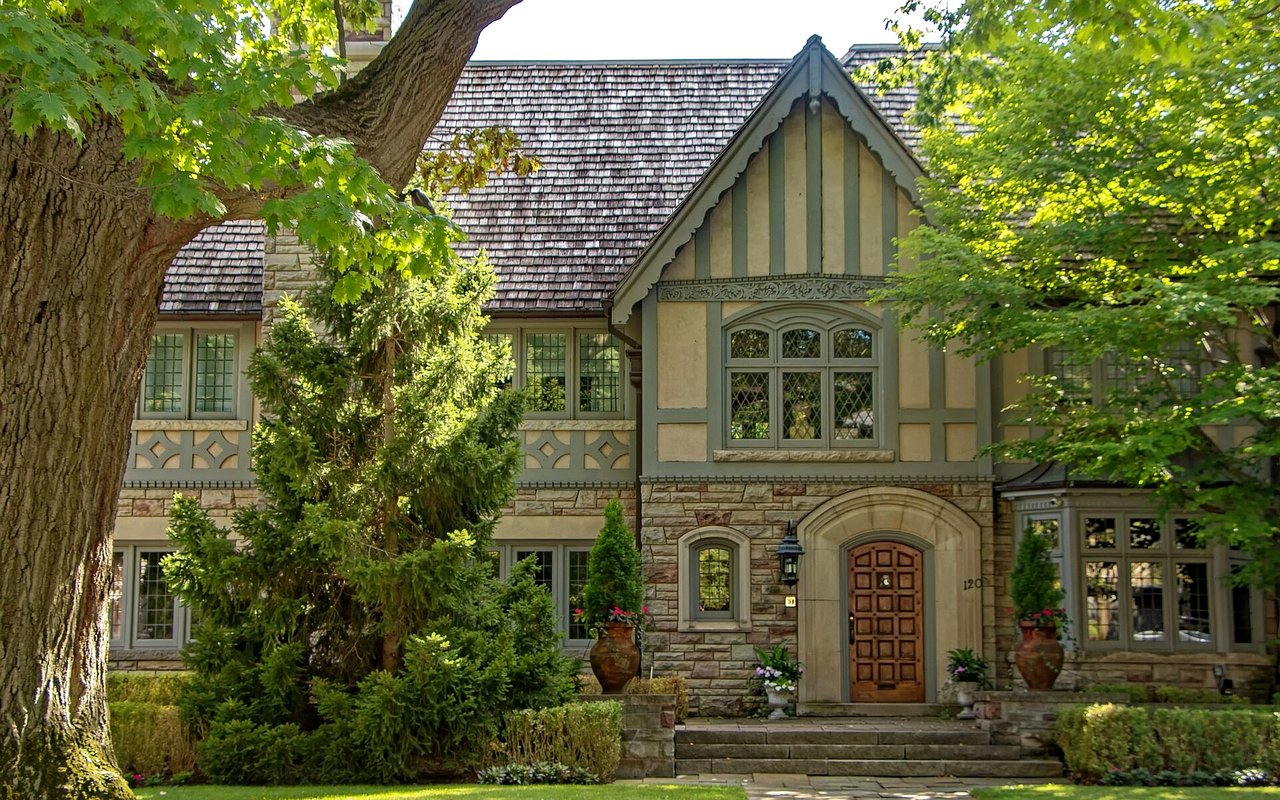
- Tudor Revivals carry steeply pitched roofs, decorative half timbering, arched entries, and leaded or diamond-pane glass.
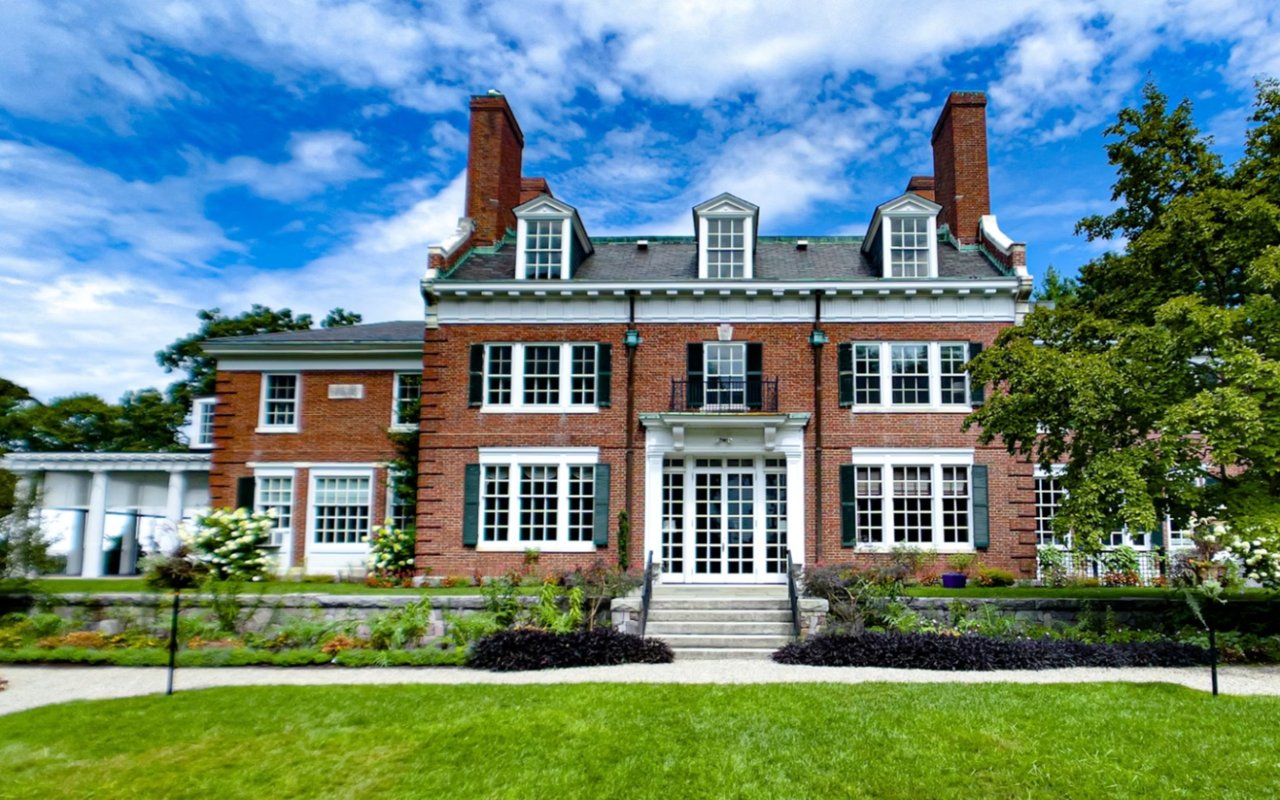
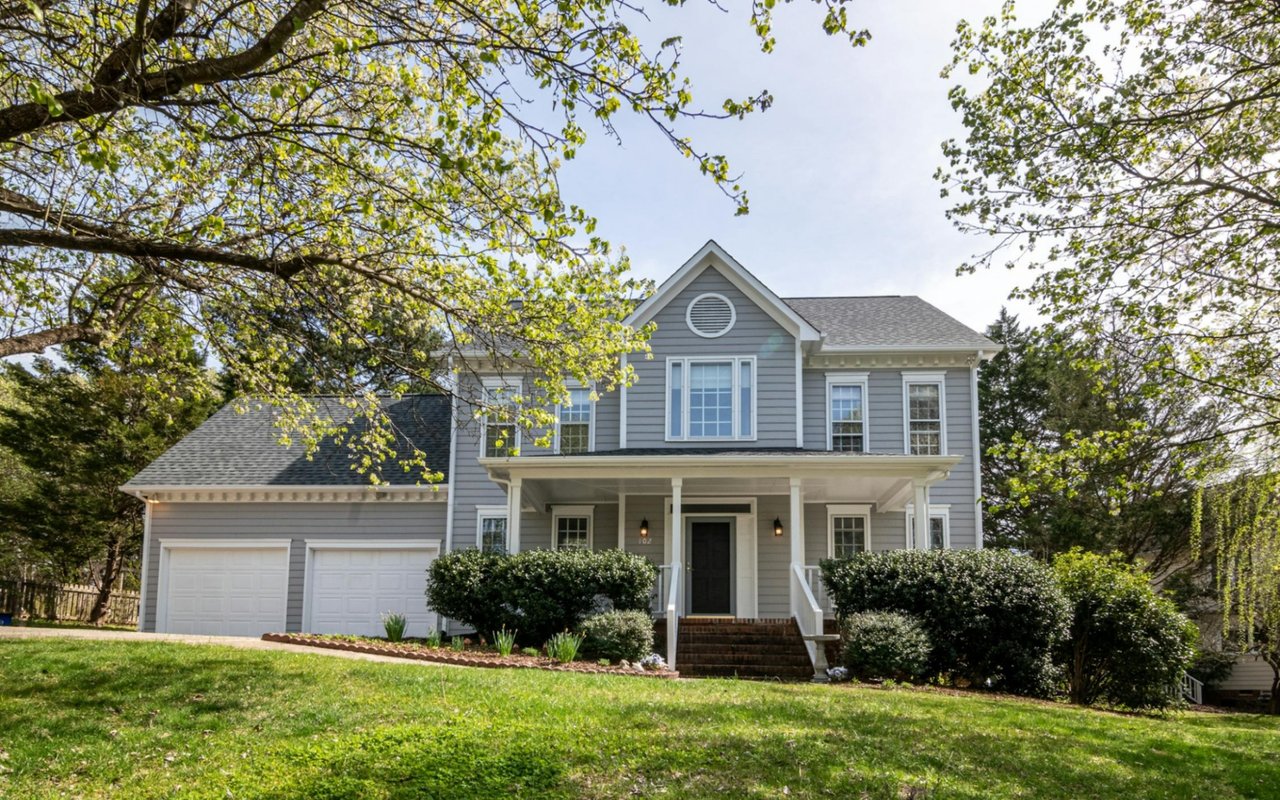
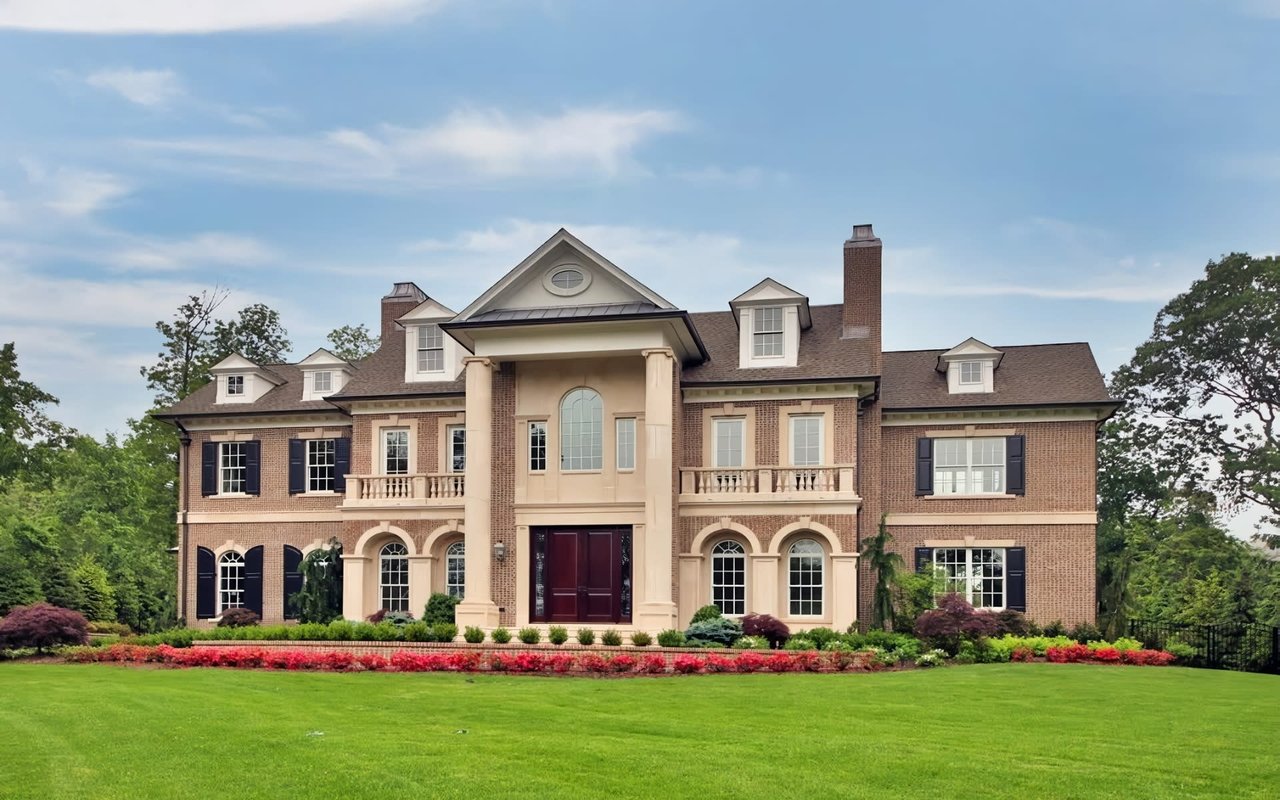
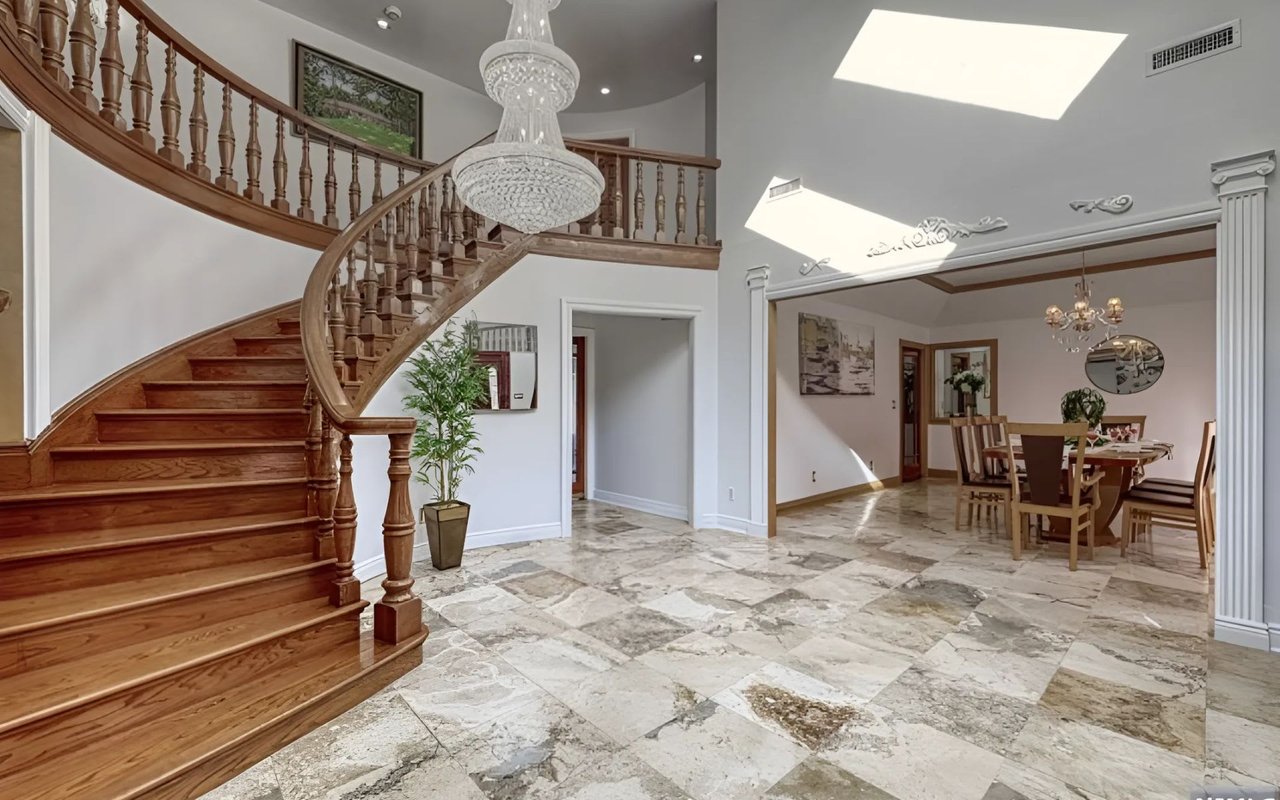
- Colonial Revivals are symmetrical, with a center entry, evenly spaced windows, and a formal center hall plan inside.
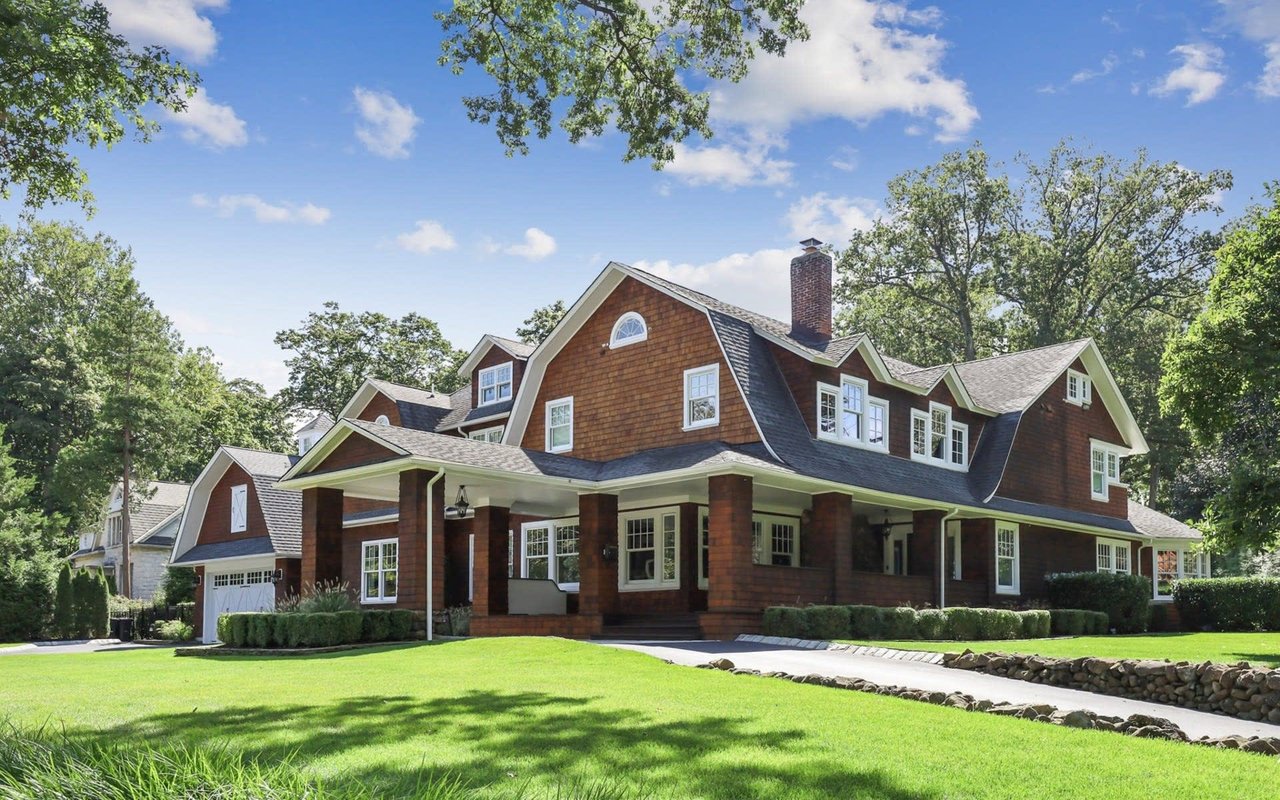
- Dutch Colonials are recognizable by the gambrel roof, which quietly adds a full floor of usable space upstairs.
- Original details worth noting on a tour include slate roofs, plaster walls, hardwood floors, and built-in cabinetry.
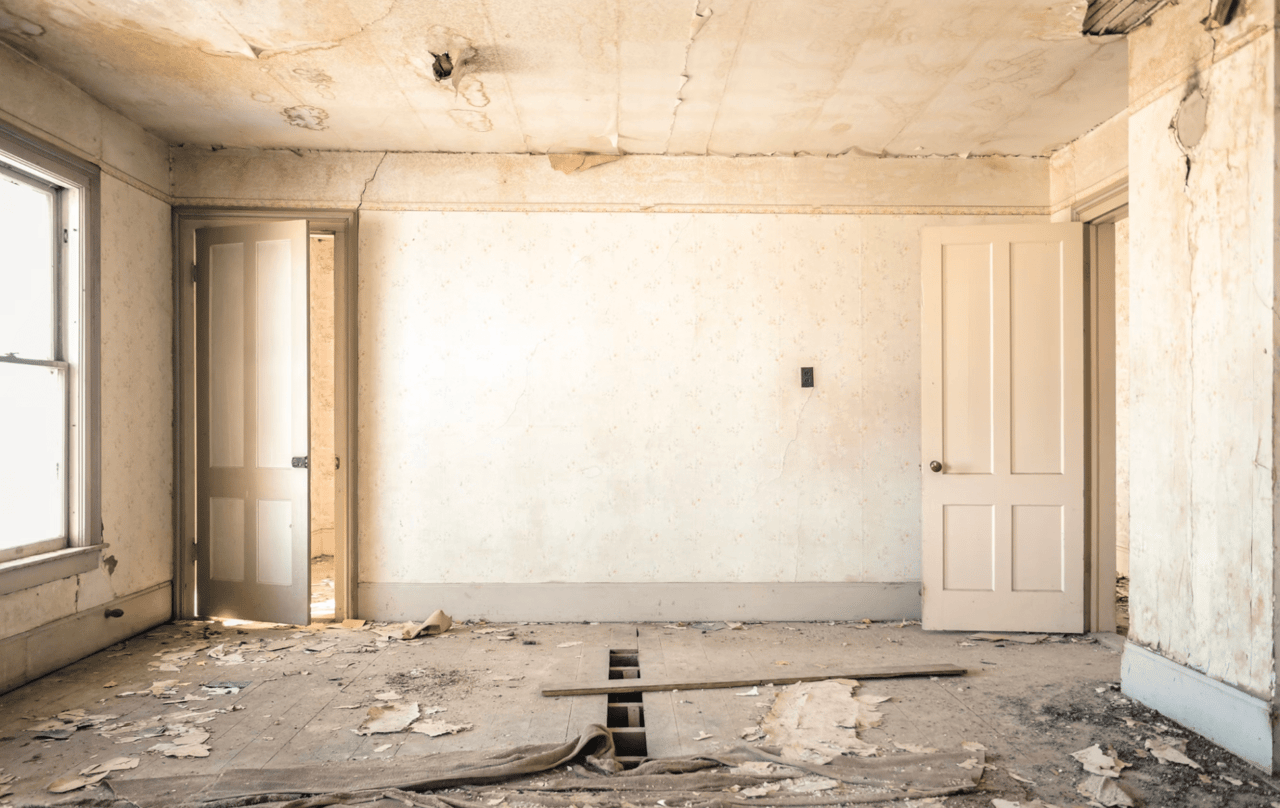
- If you're drawn to these, budget attention for the systems rather than the finishes, since the mechanicals are usually where an older house needs the most thought.
What Did the Postwar Decades Add?
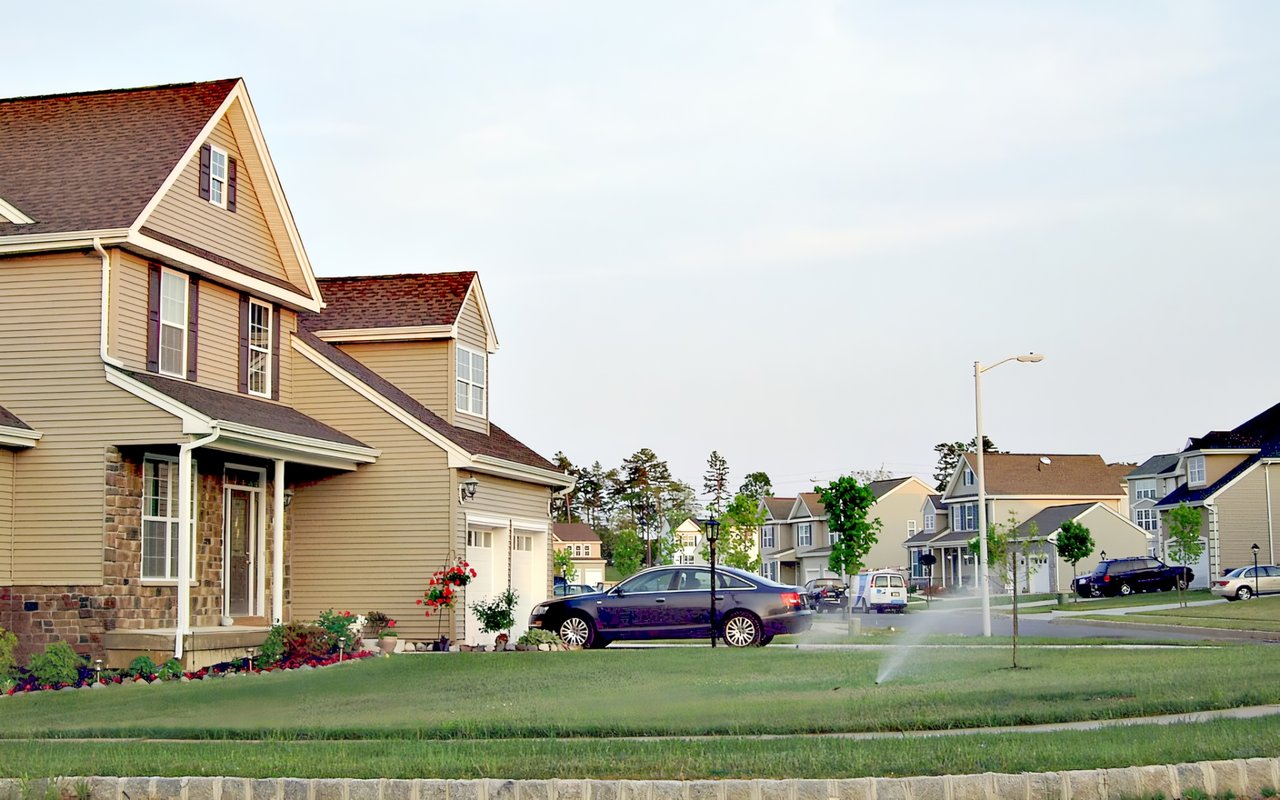
Volume, and a great deal of it. The building boom after the Second World War filled in much of Cresskill with capes, ranches, and split-levels, and those houses still make up a large share of what comes to market here.
Why They Still Work
- Capes offer an efficient footprint with expansion room upstairs, which is why so many have been raised or dormered over the years.
- Ranches put everything on one level, and their appeal has grown considerably among buyers planning for the long term.
- Split-levels separate living, sleeping, and family space without a full second staircase, which suits a lot of households better than they expect.
- These homes generally sit on good-sized lots with mature trees, and many have already been updated by previous owners.
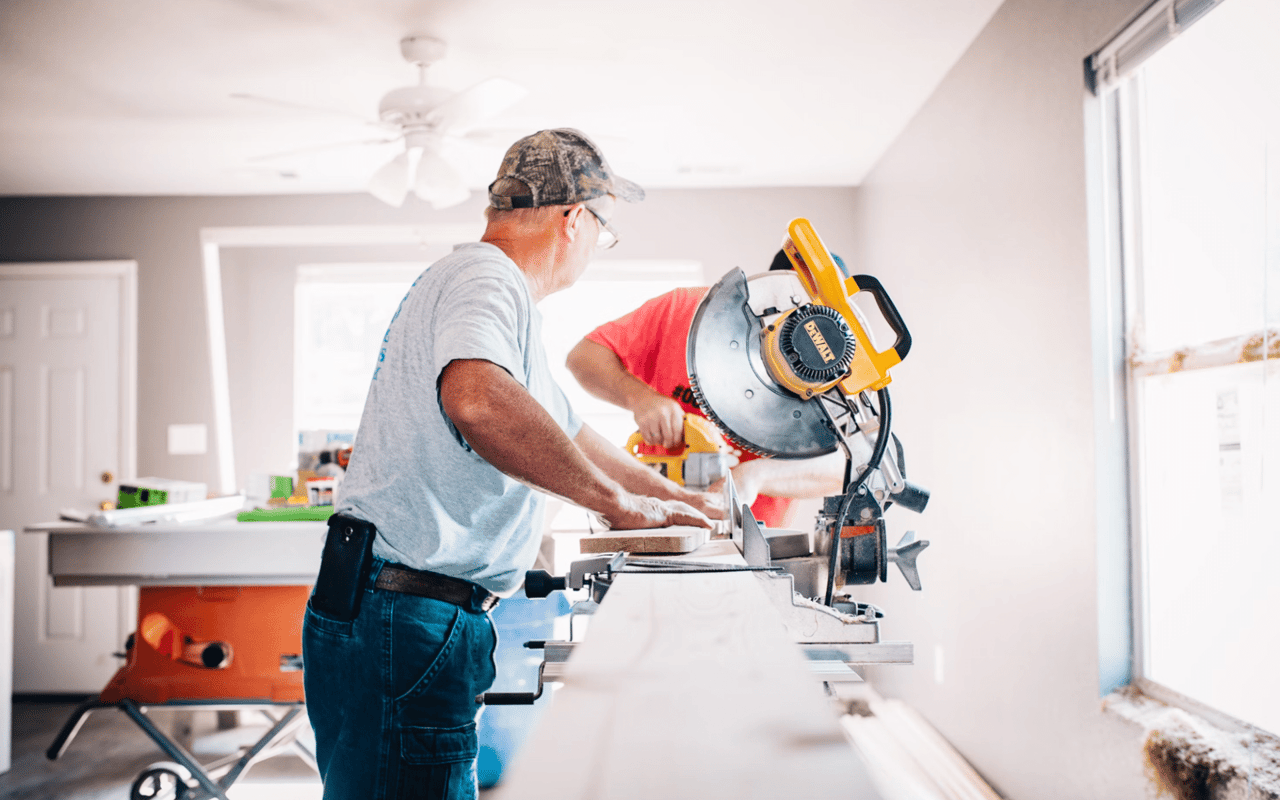
- They also present the clearest renovation opportunity in the borough, since the bones are sound and the layouts respond well to opening up.
What Does New Construction Look Like Here?
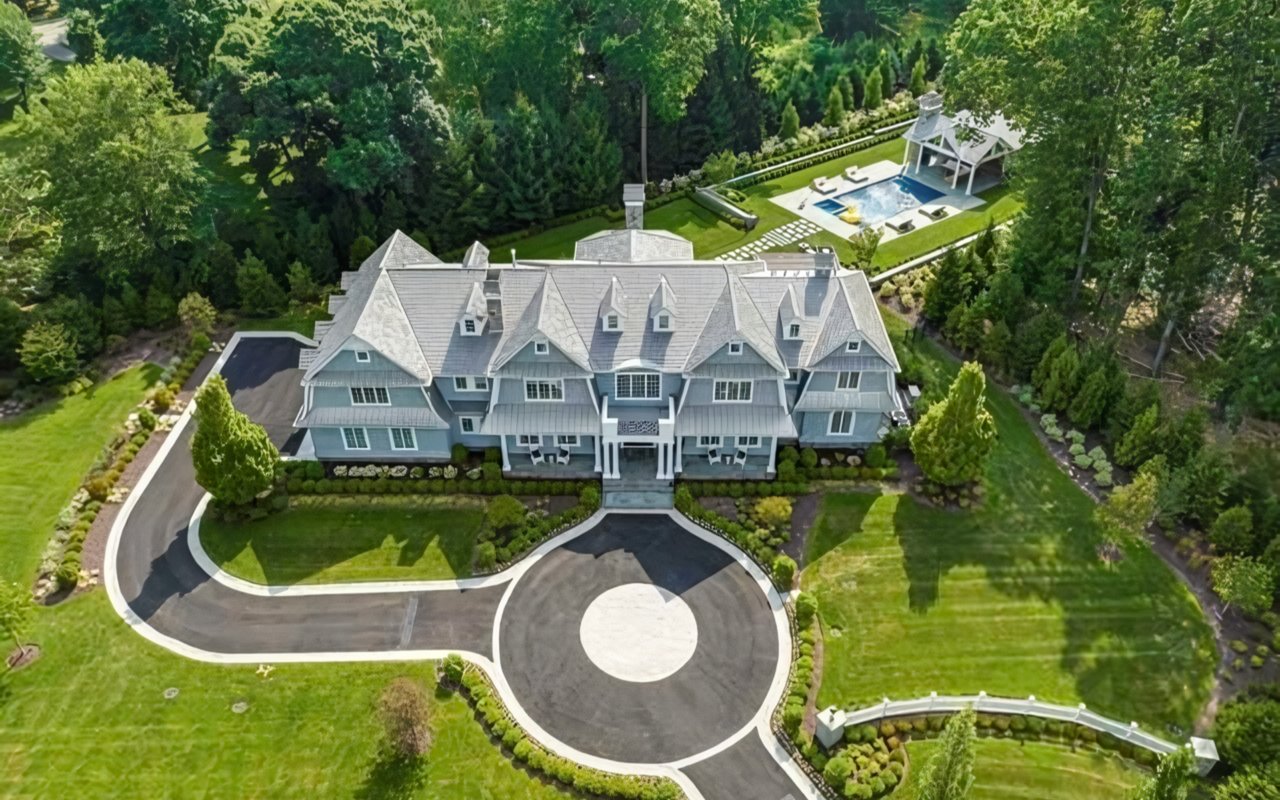
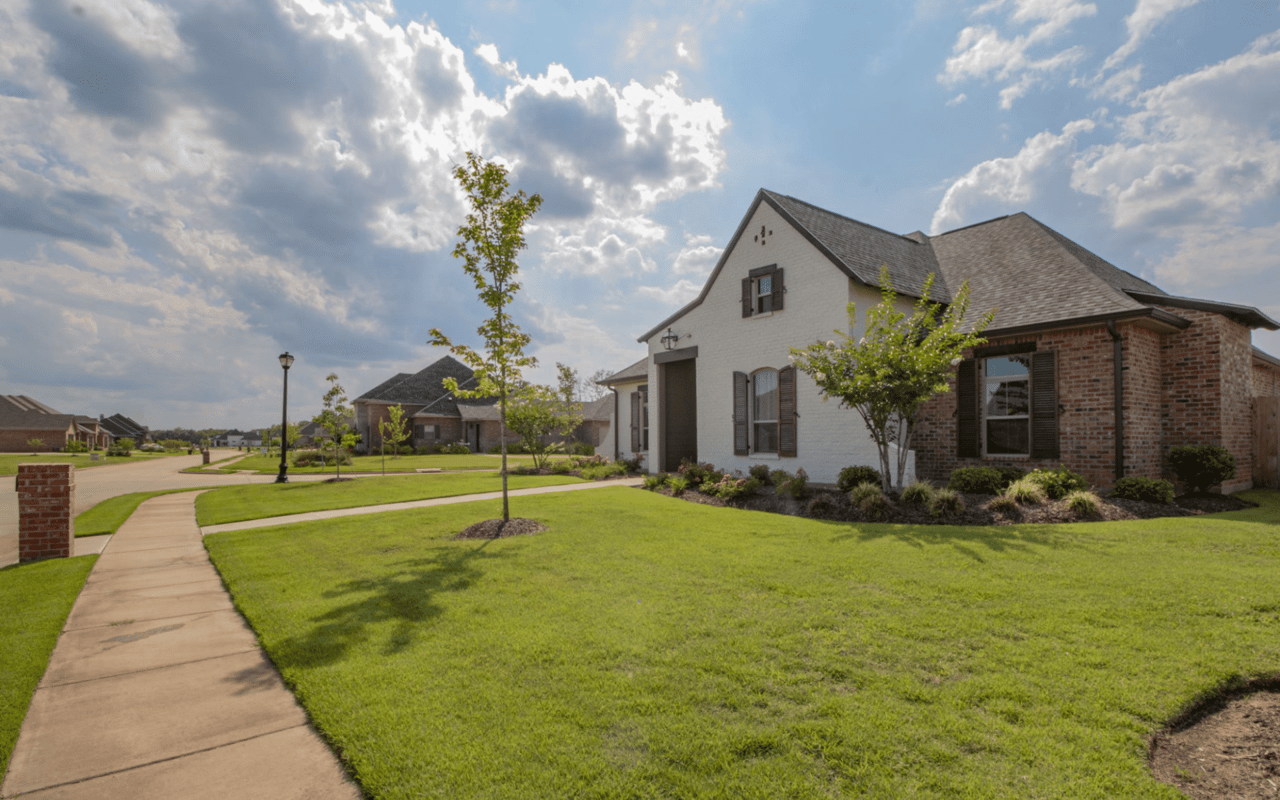
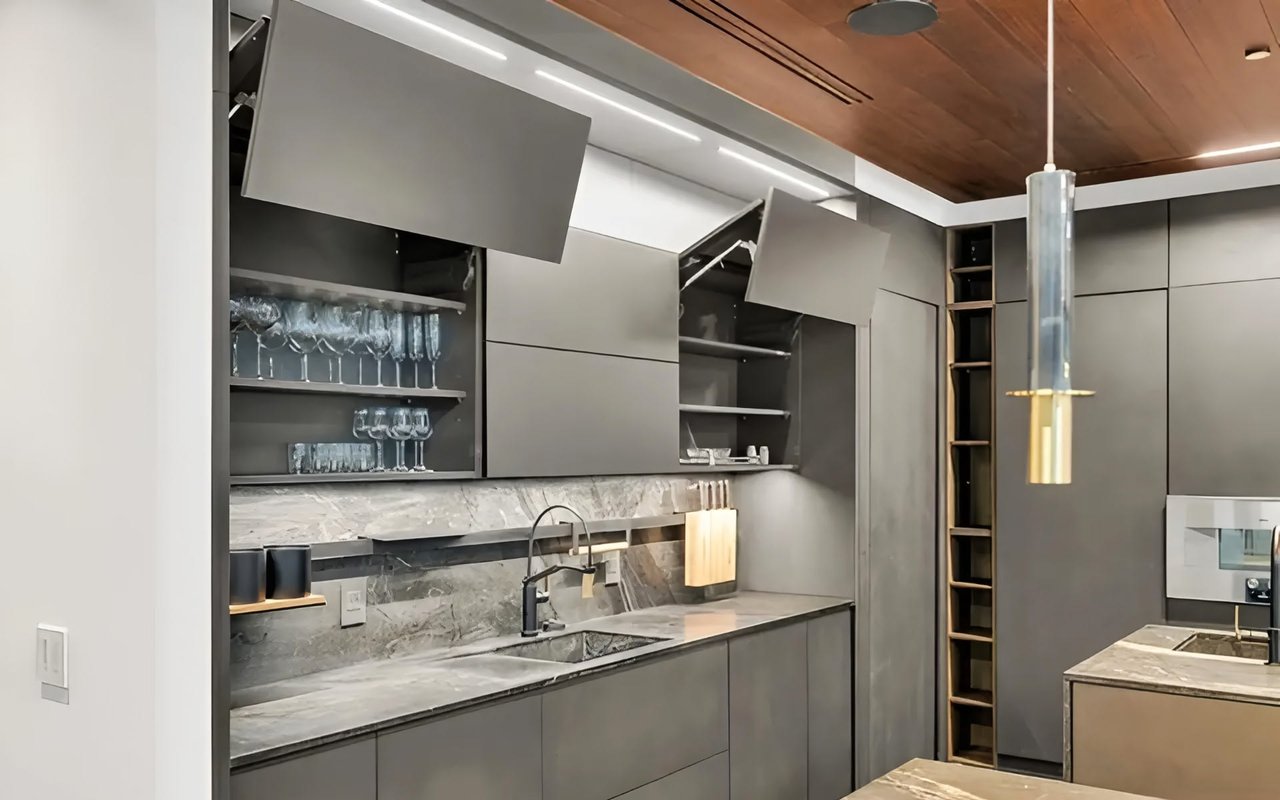
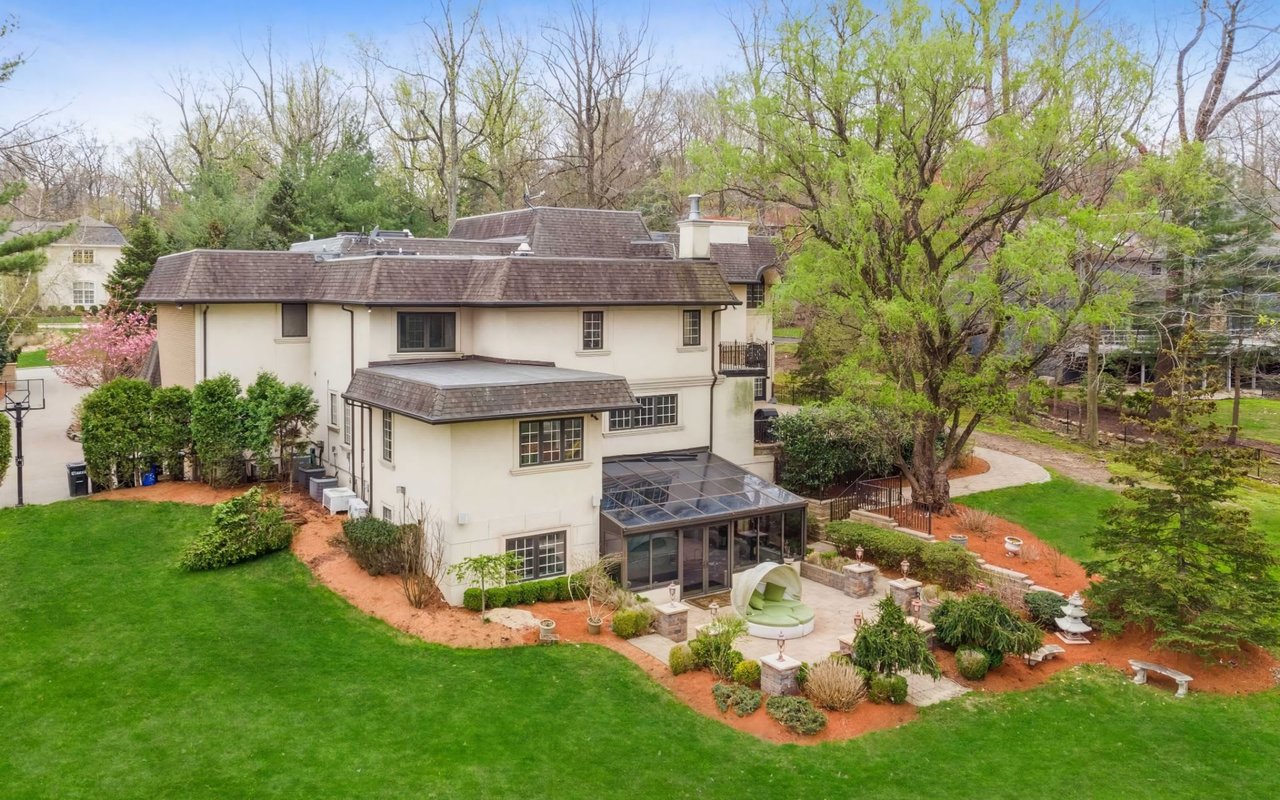
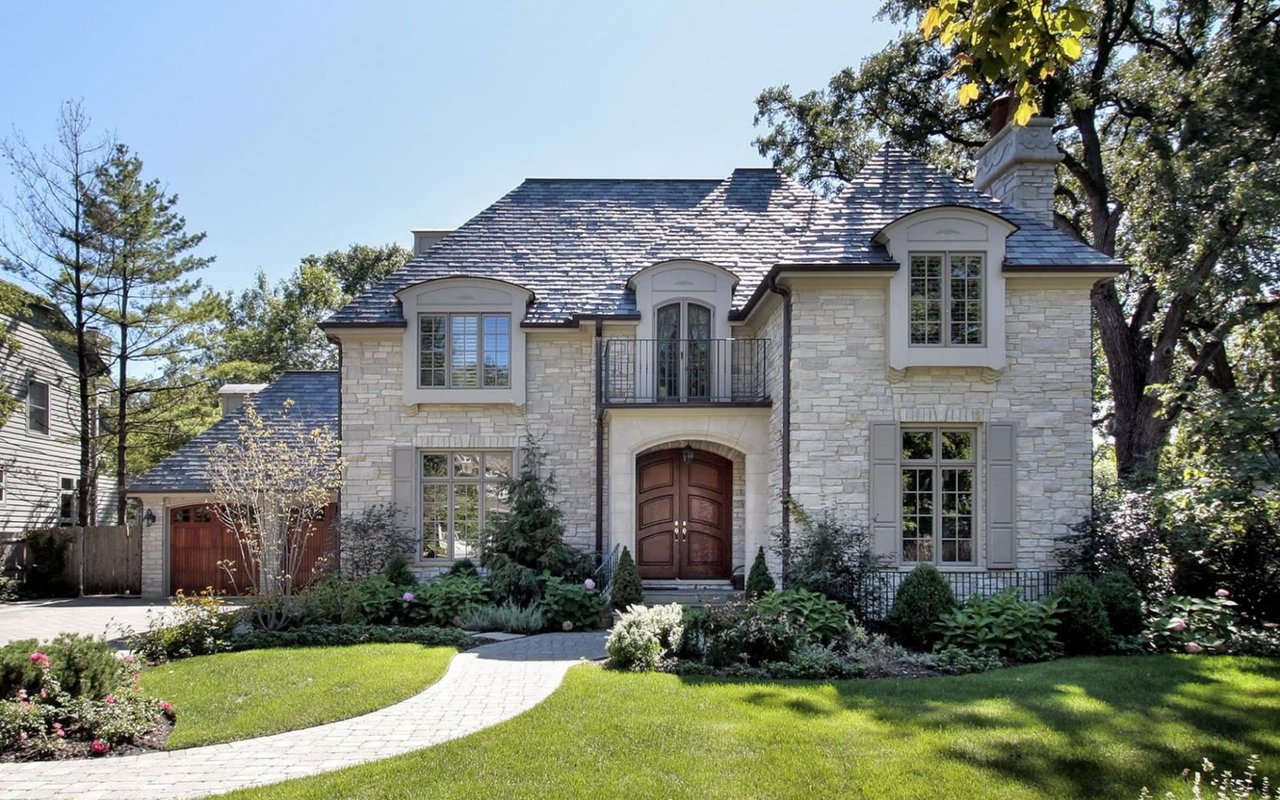
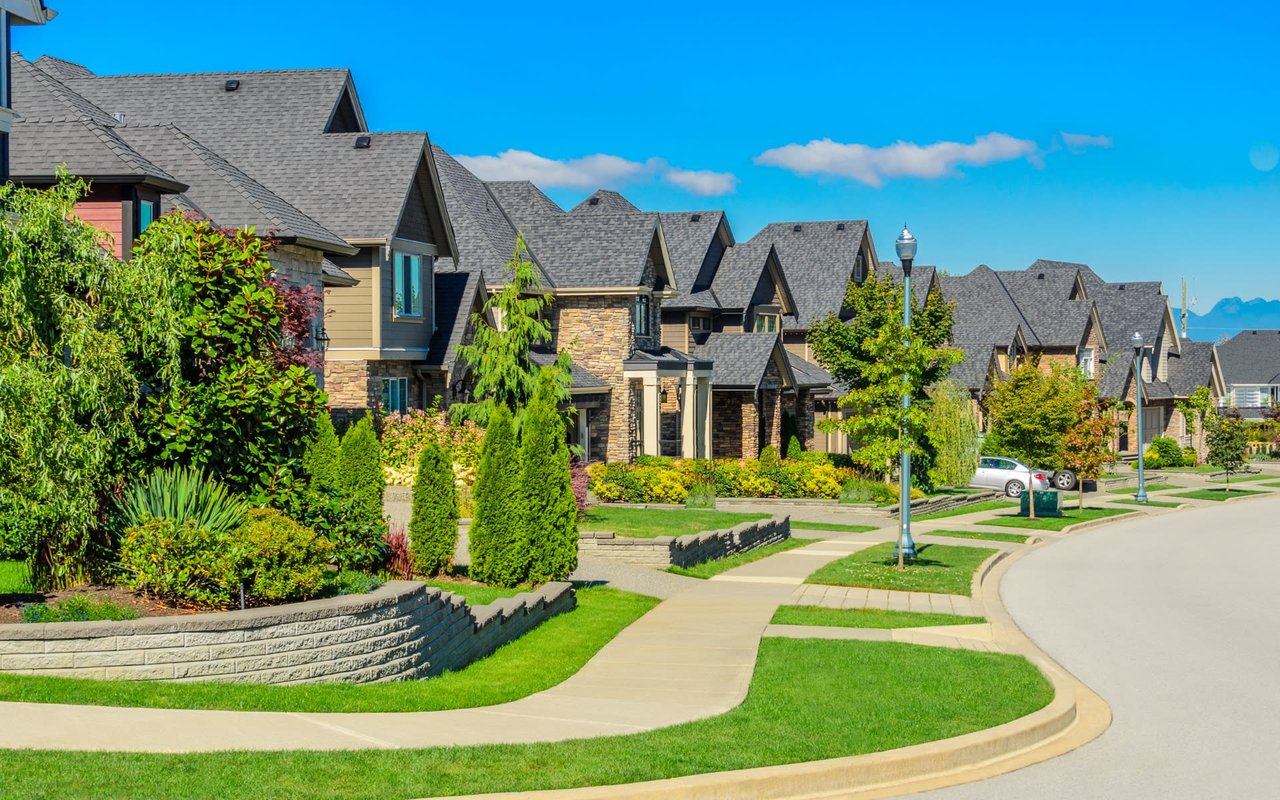
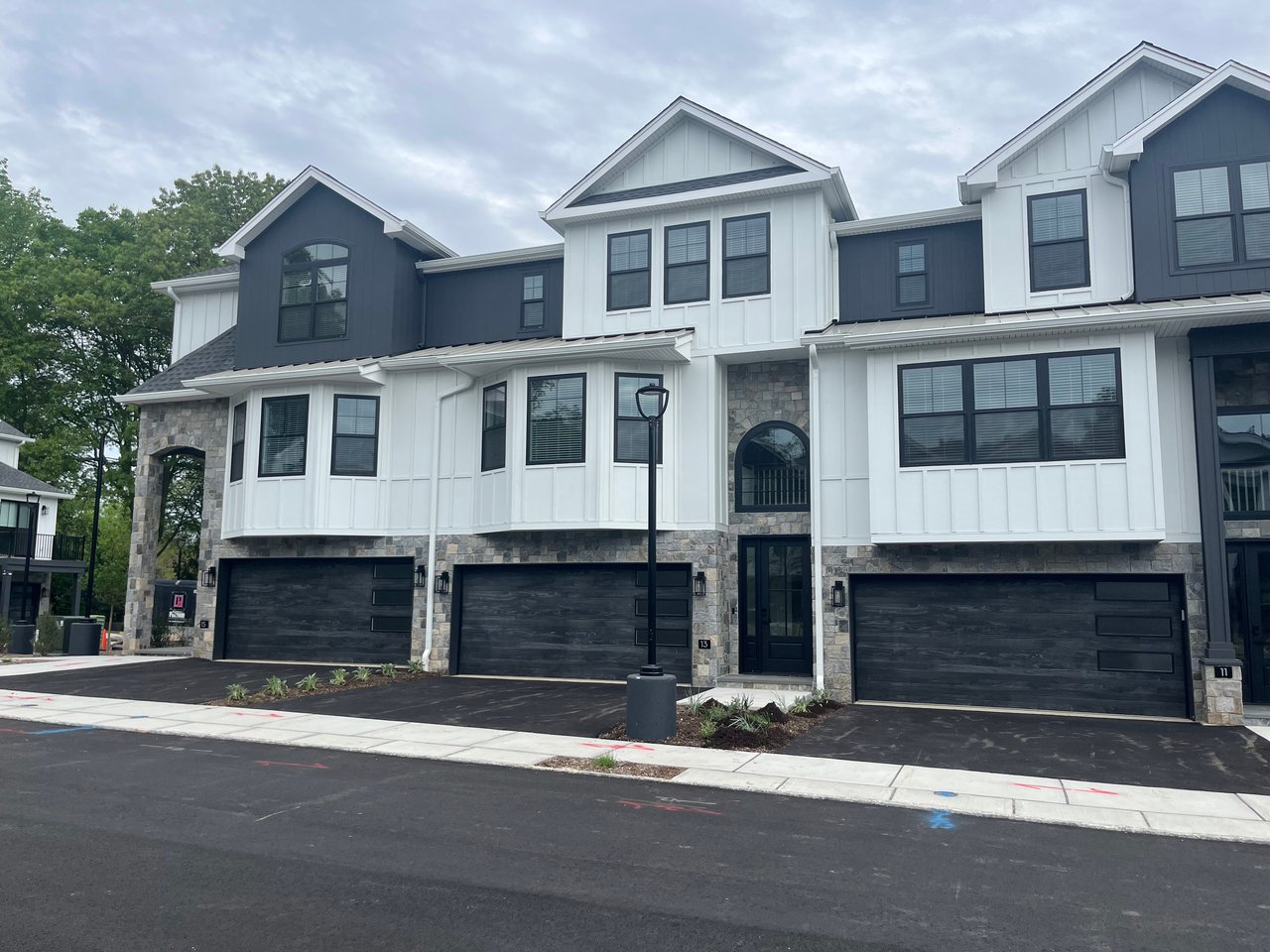
Substantial. Cresskill has seen steady rebuild activity, with older homes on desirable lots giving way to larger new builds. The results range from traditional center-hall colonials at a bigger scale to fully contemporary houses with open plans and broad expanses of glass.
What Buyers Should Know
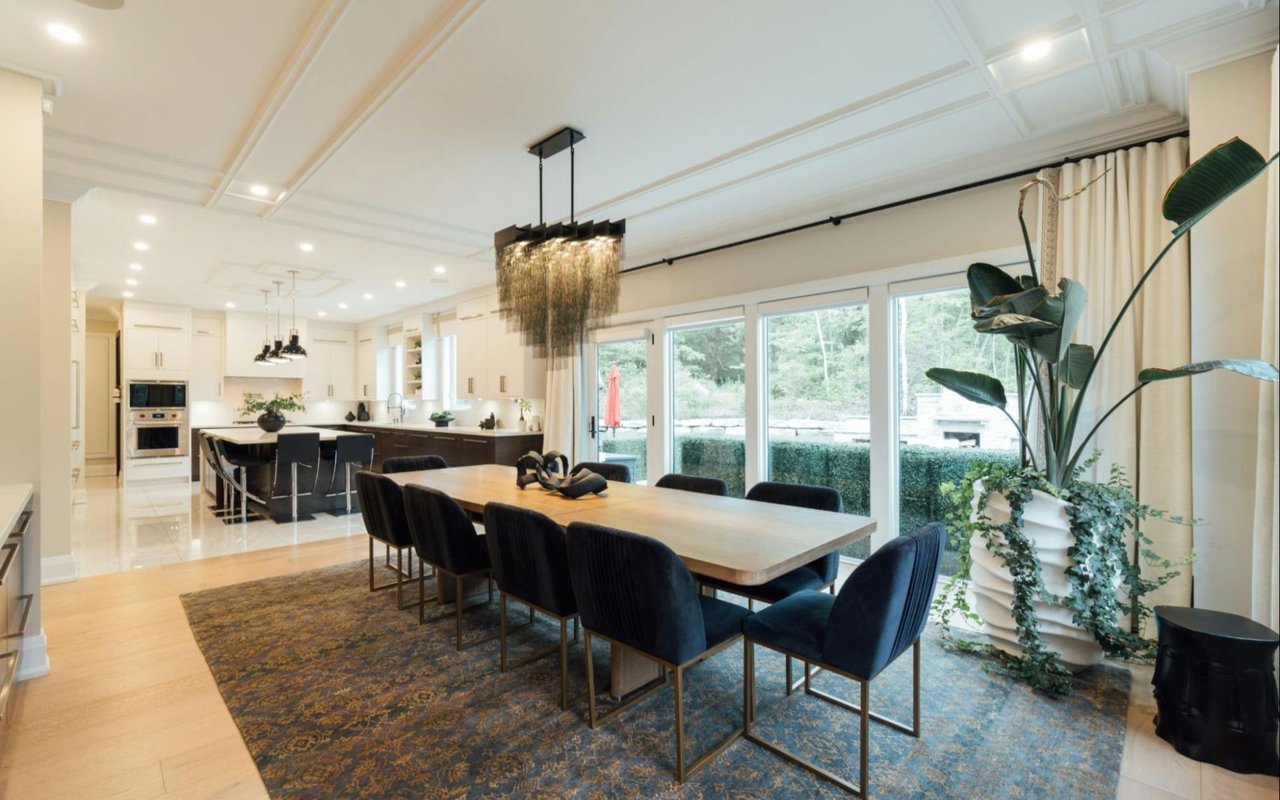
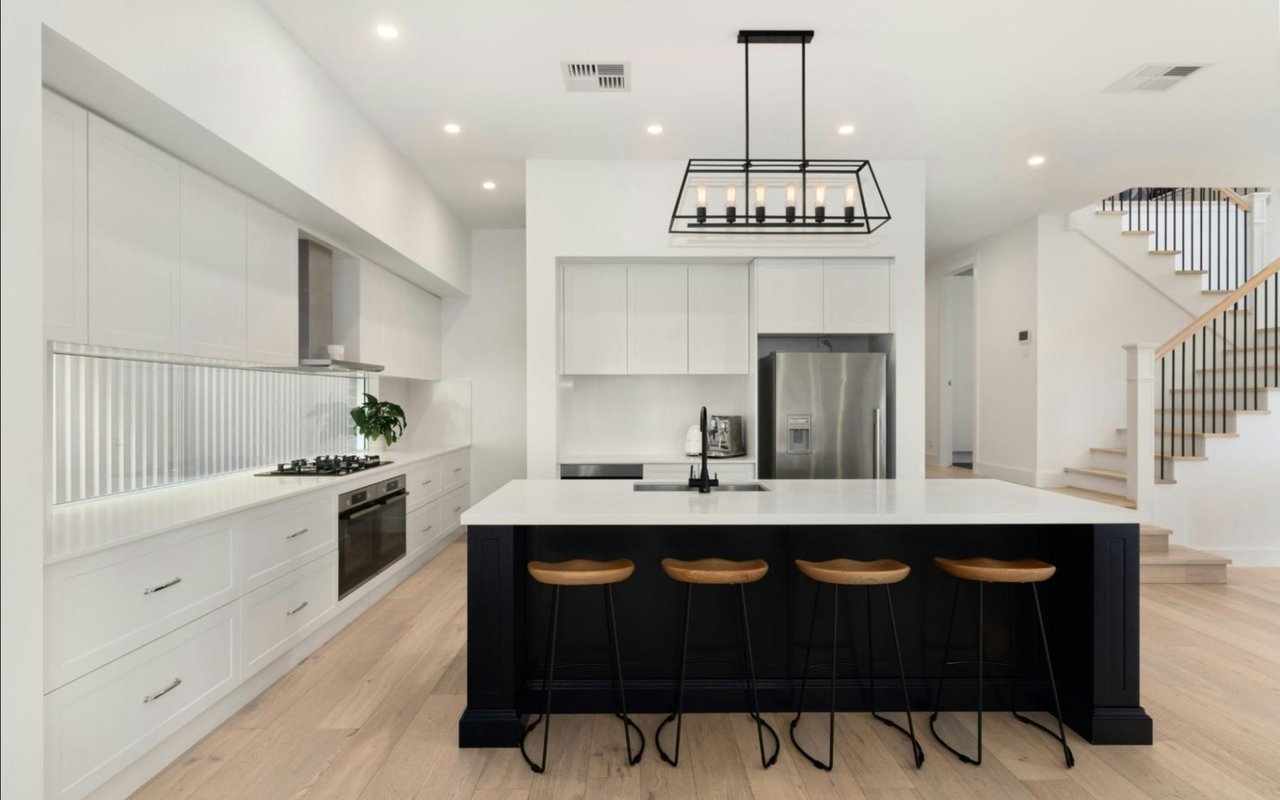
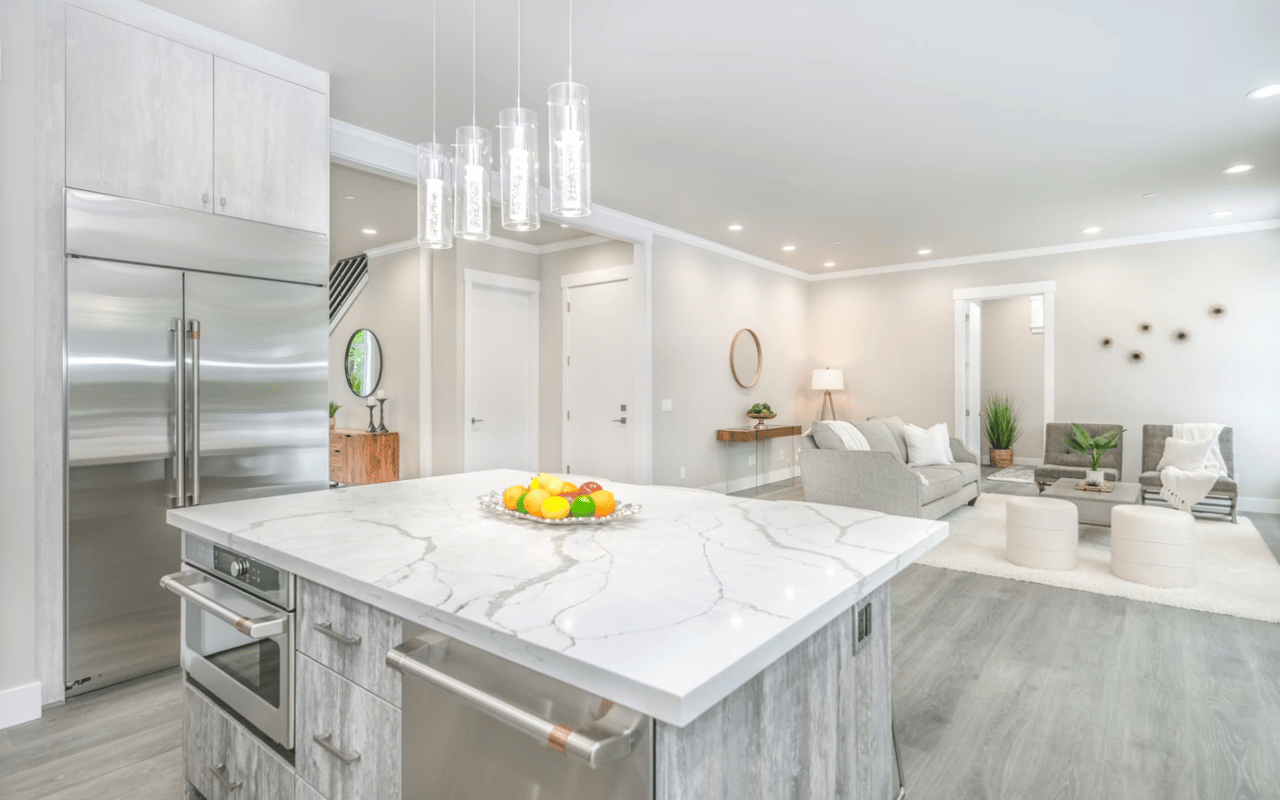
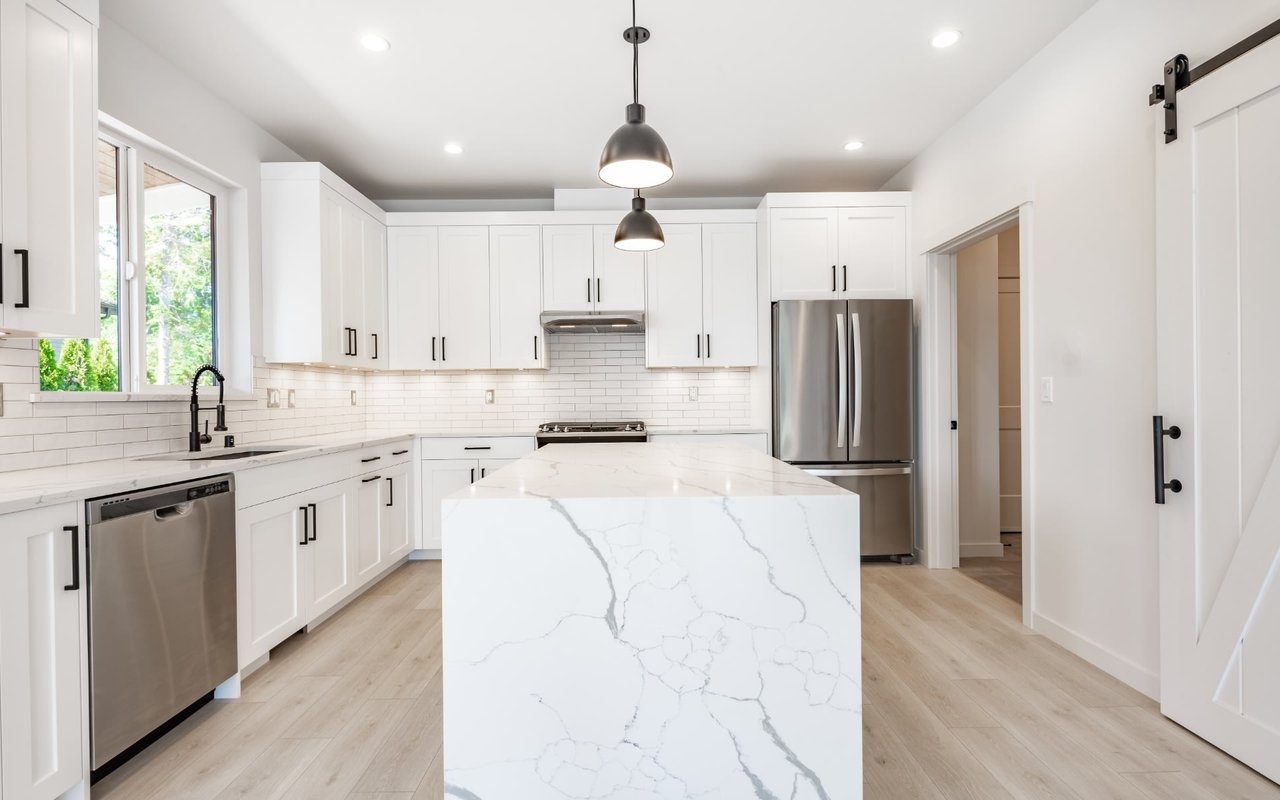
- New construction typically delivers open main floors, larger primary suites, finished lower levels, and current mechanical systems.
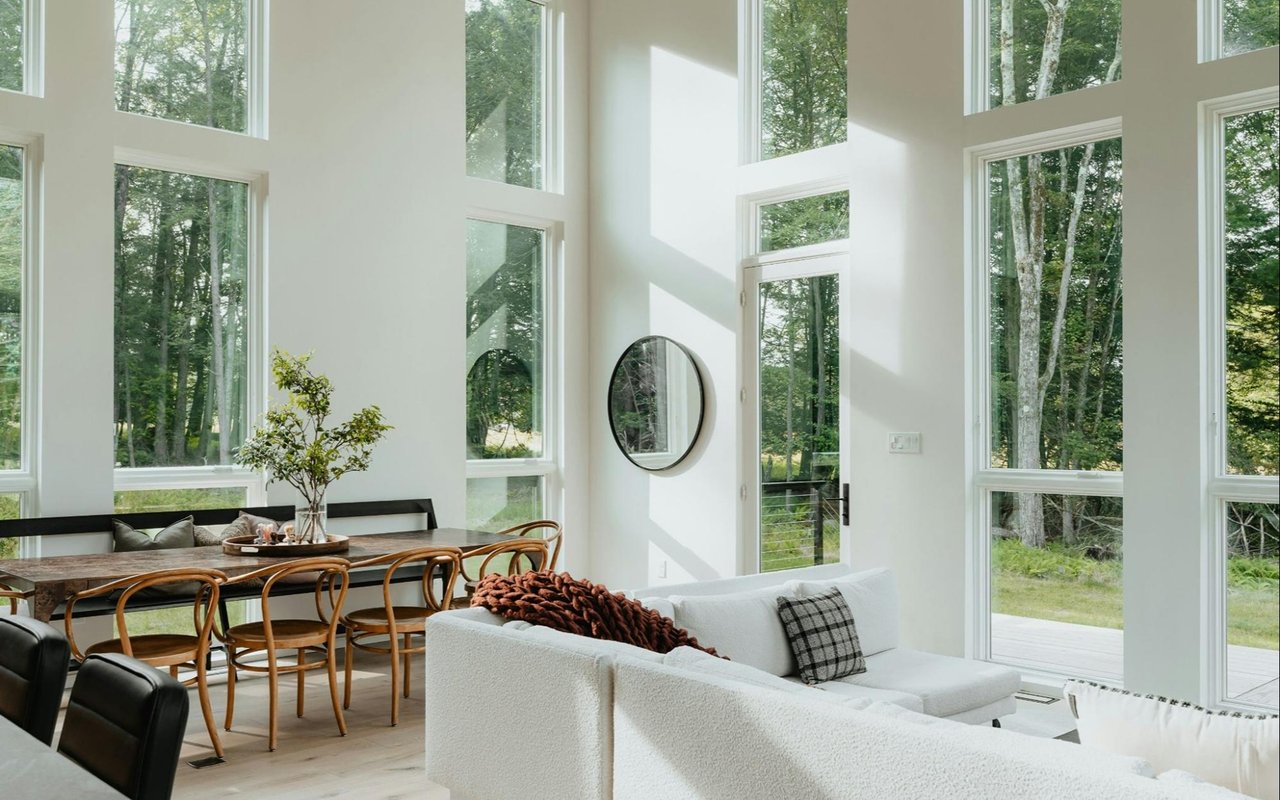
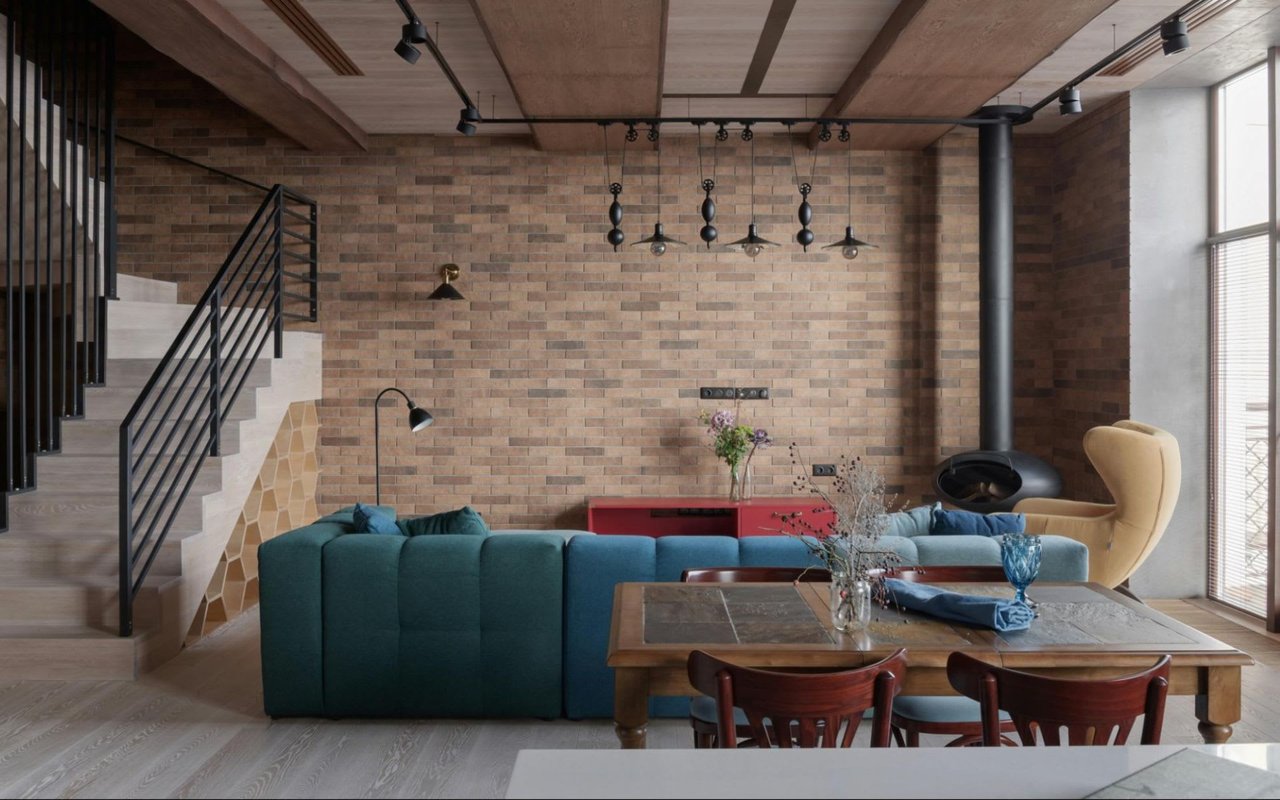
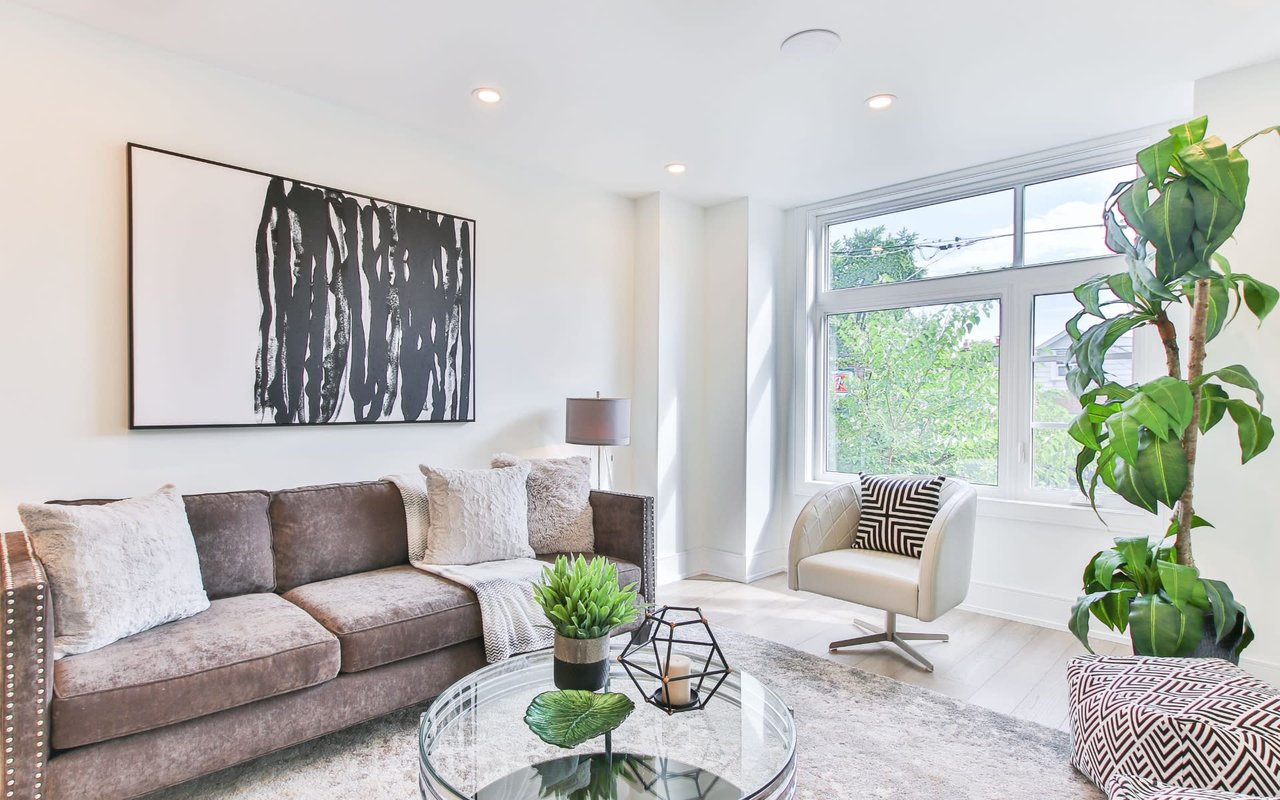
- Contemporary builds here lean toward clean lines, large windows, and an emphasis on light rather than ornament.
- Rebuild activity varies street by street, so it's worth understanding what's happening near any home you're considering.
- If you're weighing a renovation of an older home against buying new, the comparison is worth running properly before you commit. Our guide to the borough covers more of the local picture.
Frequently Asked Questions
Are older homes in Cresskill harder to maintain?
They ask for a different kind of attention rather than more of it. Systems, roofs, and windows are where the budget goes, and a good inspection tells you exactly what you're taking on.
Which style holds its value best here?
All of them do well when they're in good condition and on a good street. Condition and location drive value in Cresskill more than era does.
Can we see examples of each before deciding?
Absolutely, and we'd recommend it. Touring a Tudor, a split, and a new build in one afternoon clarifies preferences faster than anything else. Start with what's currently available.
Reach Out to The Kolsky Team Today
Understanding how a town was built is part of understanding what you're buying, and Cresskill rewards that curiosity more than most. We're always glad to walk clients through the differences street by street.
If you're looking in Cresskill or anywhere in the Northern Valley, reach out to us at The Kolsky Team, and let's find the house whose story suits you. We'd love to show you around.
If you're looking in Cresskill or anywhere in the Northern Valley, reach out to us at The Kolsky Team, and let's find the house whose story suits you. We'd love to show you around.