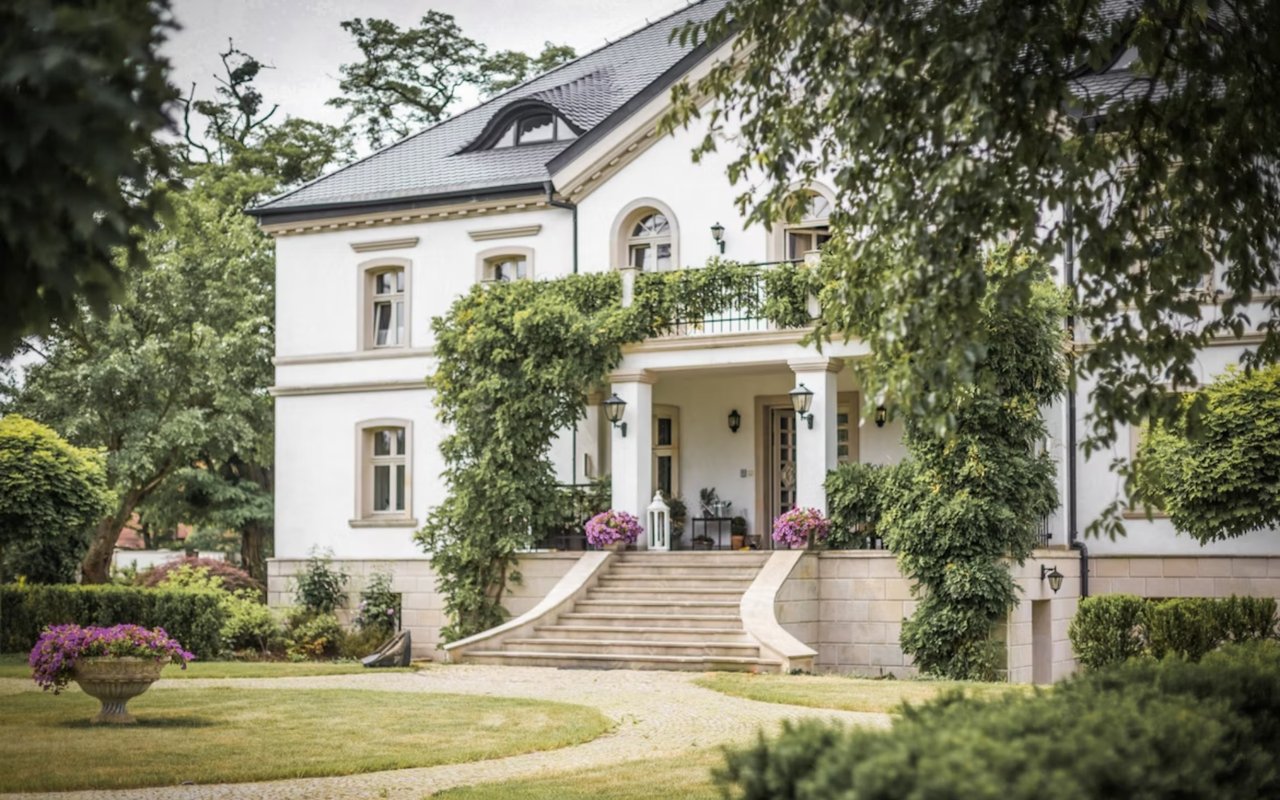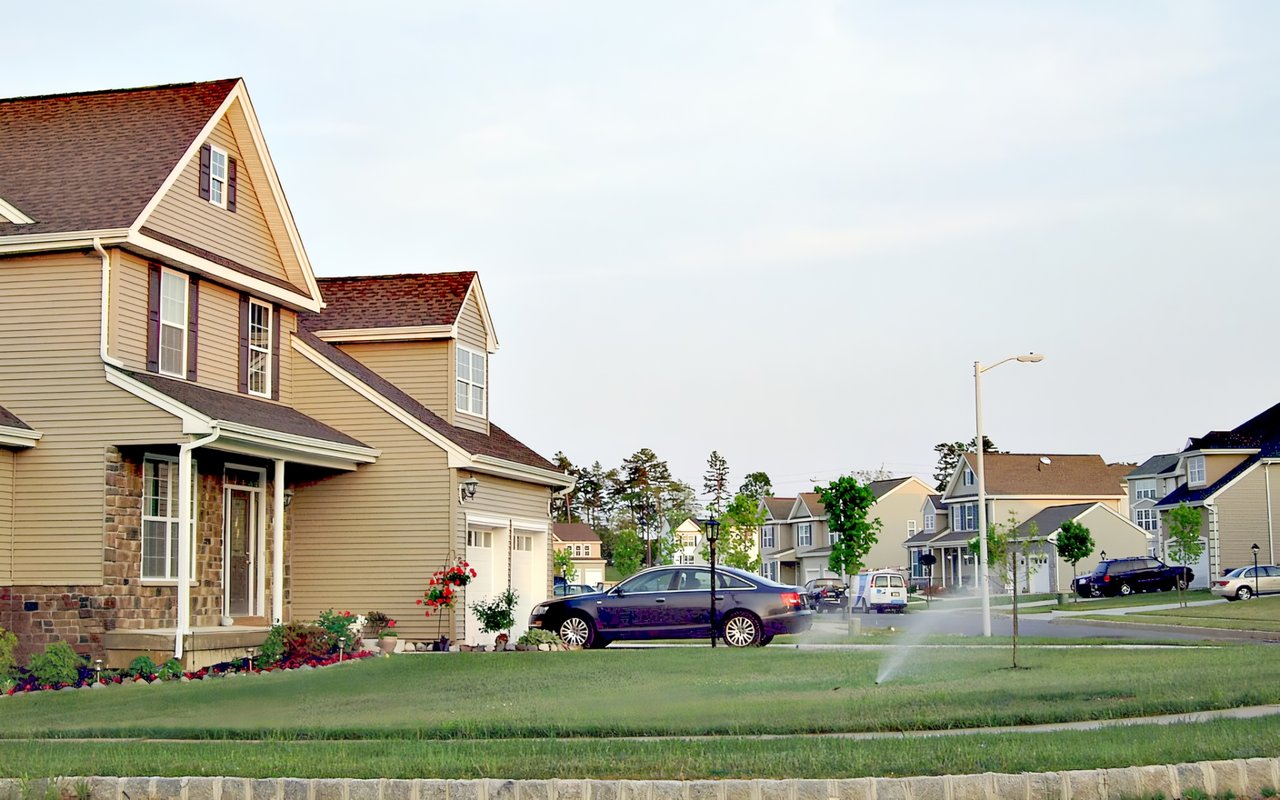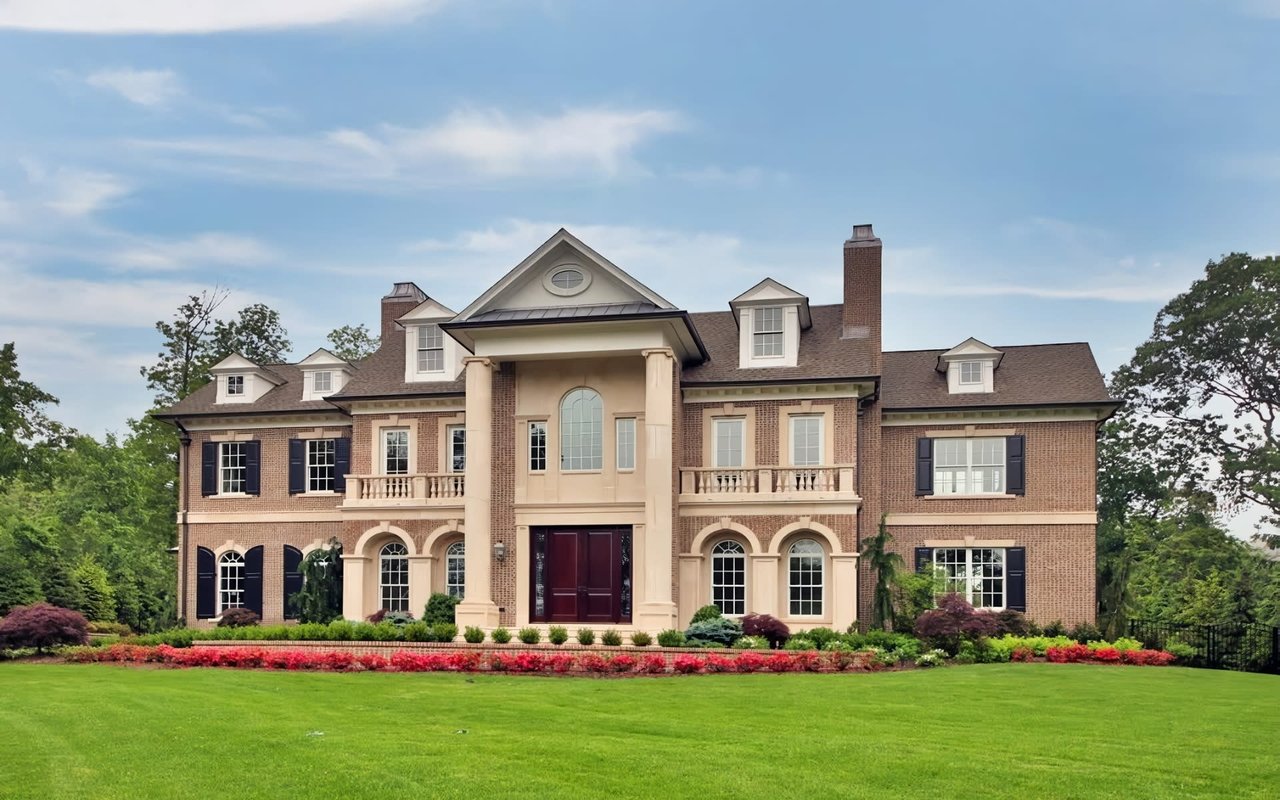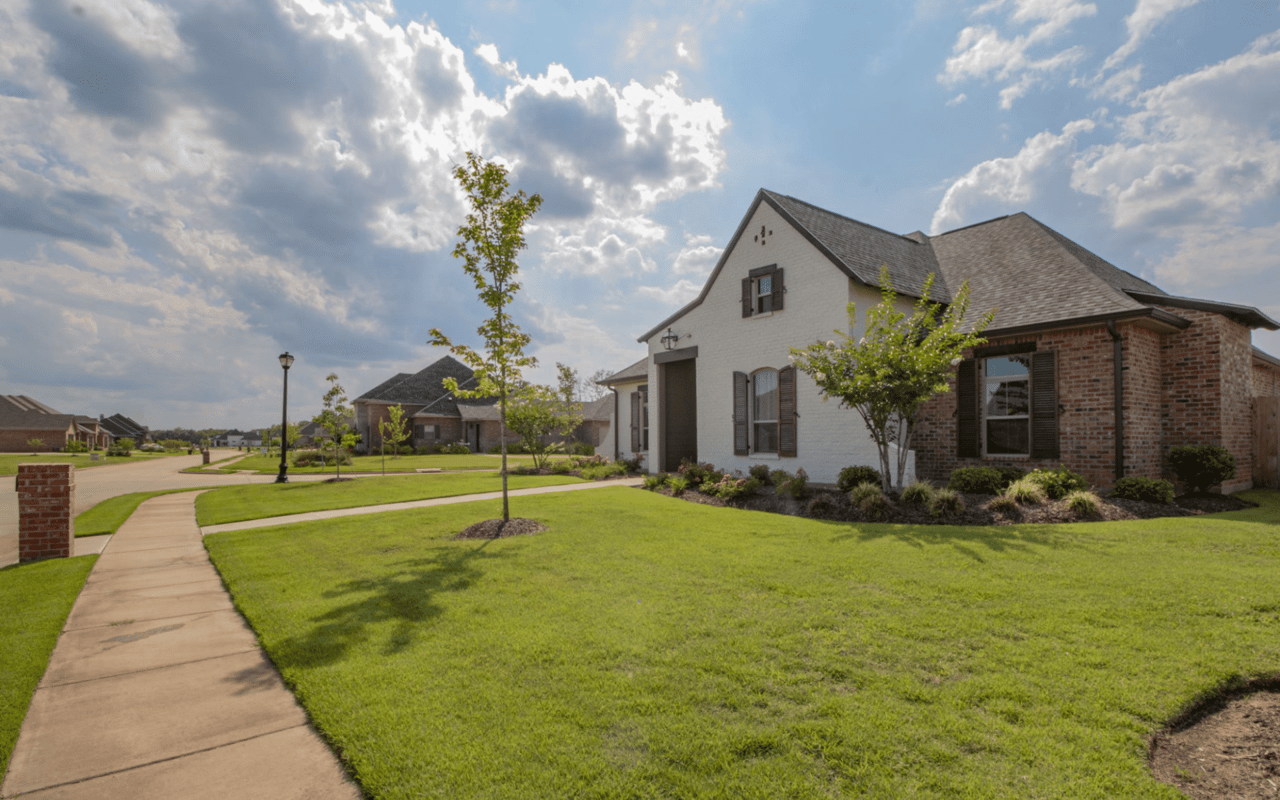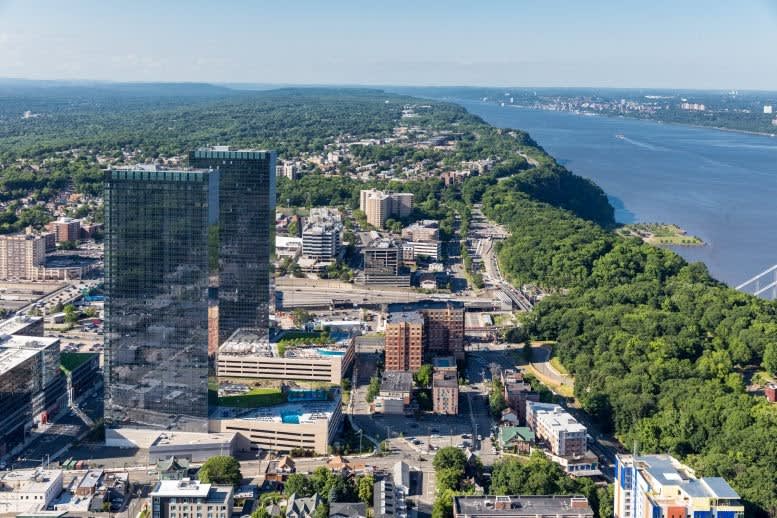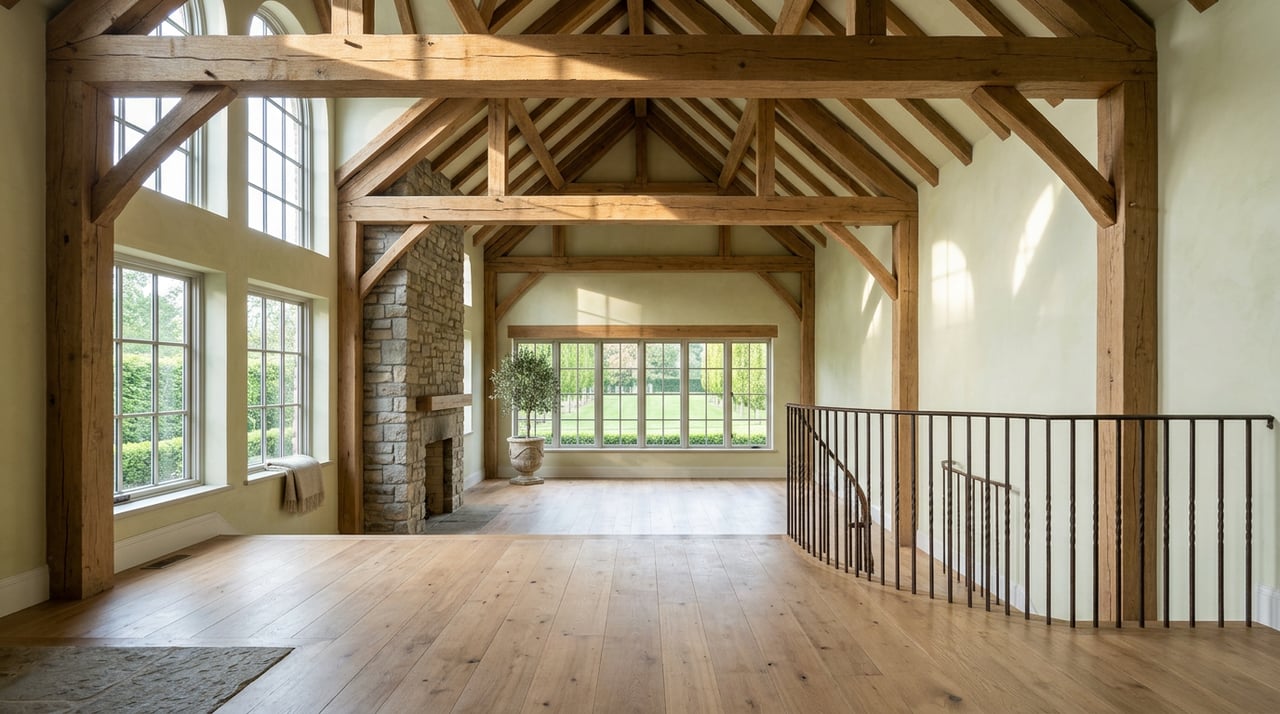
Drive down Sylvan Avenue in Englewood Cliffs and you pass the usual corridor: corporate campuses for LG and Samsung, a scatter of steakhouses and Italian standbys, the kind of commercial stretch that reads as office park more than landmark. Somewhere in that mix sits a modest house with a driveway and a mailbox, indistinguishable from its neighbors unless you already know what you're looking at. Behind that front door is a room with a 39-foot ceiling where some of the most important recordings in jazz history were made, and until 2020, almost nobody outside the session itself had ever been allowed to hear one happen live.
That's the part of the Englewood Cliffs story most people miss. The town doesn't just have a connection to jazz history. It has a working room that spent six decades operating by a rule almost nobody who wasn't a musician or an engineer ever got to test.
A Room Built to Keep Secrets
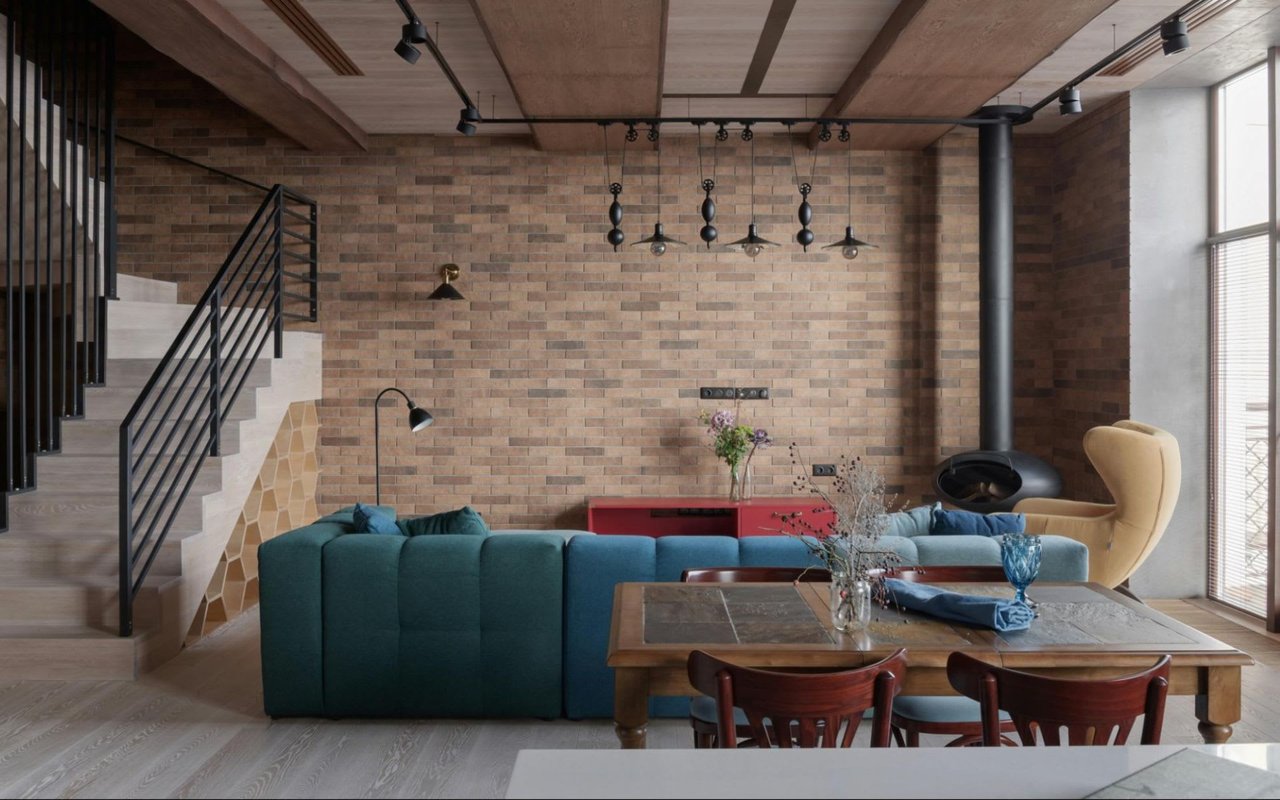
Rudy Van Gelder moved his recording operation from his parents' living room in Hackensack to a new, purpose-built structure at 445 Sylvan Avenue in July 1959. The building was designed by architect David Henken, who had trained under Frank Lloyd Wright, and it showed. Wooden beams, brick tile, cedar arches of laminated Douglas fir arcing toward a ceiling nearly four stories high. Critics who covered it at the time reached for religious language almost by reflex, calling the space chapel-like more than once in print.
The architecture wasn't the only thing designed for control. Van Gelder guarded his recording techniques so closely that he would physically move microphones whenever photographers showed up to shoot album art, so no one could reverse engineer his setup from a picture. Isolation booths didn't arrive until the 1970s. For the studio's first decade, the entire live room was one undivided space, which meant every session depended entirely on Van Gelder's ear and placement, not on walls doing the separating for him.
This was, by design, a closed system. Musicians came in, the door shut, and whatever happened inside stayed inside until it reached a pressing plant.
What Happened Inside Anyway
What came out of that closed room is most of the reason jazz collectors know the address at all. Among the recordings made at Englewood Cliffs:
- John Coltrane's A Love Supreme (1964)
- Sonny Rollins' Sonny Rollins on Impulse! (1965)
- Andrew Hill's Point of Departure (1964)
- Freddie Hubbard's Red Clay (1970)
- Hank Mobley's Soul Station
- Stanley Turrentine's Cherry (1972) and Don't Mess with Mister T (1973)
Blue Note, Prestige, Impulse!, Verve, and CTI all sent artists through that door over the decades. The move from Hackensack was itself symbolic in a small way: the last session at the old address and the first at the new one were both led by saxophonist Ike Quebec, recorded within weeks of each other in July 1959, one man bridging the two rooms before anyone else showed up.
Van Gelder kept a day job as an optometrist for about a year after the move, seeing patients out of the same building before giving up the practice entirely in 1960 to focus on recording full time. He would go on to be honored by the National Endowment for the Arts in 2009, the Recording Academy in 2012, and the Audio Engineering Society in 2013, recognition that treated the room itself as part of the achievement.
Sixty-One Years Without an Audience
Here's the detail that gets lost in most retellings of the Van Gelder story: for nearly its entire operating history, this room never hosted a live audience. Not once. Sessions were closed by nature, not by policy. A recording studio isn't a venue, and Van Gelder's wasn't built to be one. The people inside were the people making the record, full stop.
That held true through Van Gelder's death in 2016, when the building passed to his longtime assistant Maureen Sickler, who had worked alongside him since the mid-1980s and had grown from assistant into recording engineer under his direct mentorship. She and her husband Don Sickler, a trumpeter, arranger, and producer who teaches at Columbia University, took over running the space and kept doing what it had always done: recording sessions, no spectators.
The Night That Changed the Rule
That sixty-one-year streak ended on November 14, 2020, when the Sicklers, working with producer Phil Coady and talent agent Sam Kaufman, launched a livestreamed concert series called Live from Van Gelder Studio. The first event was a tribute to the late tenor saxophonist Hank Mobley, featuring bassist Ron Carter, tenor saxophonist Joe Lovano, pianist Isaiah Thompson, and drummer Kenny Washington. It was, by the account of the people who run the studio, the first live performance event of any kind ever held inside that room.
Held in the middle of a pandemic, it was streamed to people who couldn't be there in person at all. The series has since brought in other jazz figures including Ron Carter again and organist Joey DeFrancesco, with the stated goal of drawing in younger musicians who never set foot in the room during Van Gelder's lifetime.
A Landmark for Doing What It Always Did
In April 2022, the Van Gelder Studio was added to the National Register of Historic Places for its significance in performing arts and engineering. That's a meaningful distinction from most historic designations, which tend to honor buildings for what they used to be. This one recognized a room that was still, at the time of the listing, actively recording new material. The Sicklers have continued pursuing state landmark status in New Jersey as well, an effort that was still active as of recent coverage.
The equipment inside has kept pace too. A 2021 renovation led by audio engineer Perry Margouleff installed a new Pro Tools rig with an Apogee Symphony converter, modern gear layered into a room built before digital audio existed. Margouleff has said he'd like to bring a 24-track analog tape machine back into the space as well, keeping one foot in the era that made the room famous. By most accounts the studio still sees regular use, though visitors familiar with the space describe it as quieter than it once was, a working room rather than a constant one.
Still Recording
The next time you're on Sylvan Avenue between the corporate towers and the dinner reservations, know that one of those houses has spent sixty-plus years as one of the most guarded rooms in American music, and only since 2020 has it let anyone outside a session hear what happens when the door opens. That's not a museum piece. That's a landmark that earned its designation for staying in use, run today by people who knew Van Gelder personally and are still deciding how to introduce his room to musicians who never got the chance to meet him.
Englewood Cliffs carries this kind of detail quietly, the way it carries most things. If you want a deeper sense of what makes this town distinct beyond the address on Sylvan Avenue, from its housing stock to its day to day rhythm, The Kolsky Team has spent decades working this market and is always glad to talk through what makes a particular block or building the right fit.