If you are thinking about buying in Closter, you are probably balancing two goals at once: finding a home that truly fits your lifestyle and making a smart move in a high-value market. That can feel exciting, but it also comes with pressure when inventory is limited, pricing is nuanced, and the New Jersey buying process has its own rules. This guide will help you understand what Closter buyers are seeing right now, what kind of homes are actually available, and how to prepare for attorney review, inspections, taxes, and closing costs. Let’s dive in.
What buying in Closter looks like now
Closter remains a high-priced market where serious buyers need to be prepared. Redfin reported a median sale price of $1,659,007 in May 2026, with 26 homes sold, a median of 107 days on market, and a 99.6% sale-to-list ratio. That tells you sellers are still capturing very close to asking price on average.
The market is active, but not every listing is a frenzy. Redfin also noted that 36.1% of homes sold above list price, while 8.4% had price drops. In practical terms, that means some homes attract strong competition, but buyers may still find room for strategy depending on pricing, condition, and timing.
You should also know that different market metrics answer different questions. Zillow placed Closter’s average home value at $1,189,817 as of May 31, 2026, up 7.3% year over year. That number is useful for tracking broader value trends, while Redfin’s median sale price better reflects what buyers were actually paying in recent closed transactions.
What kind of home you can expect
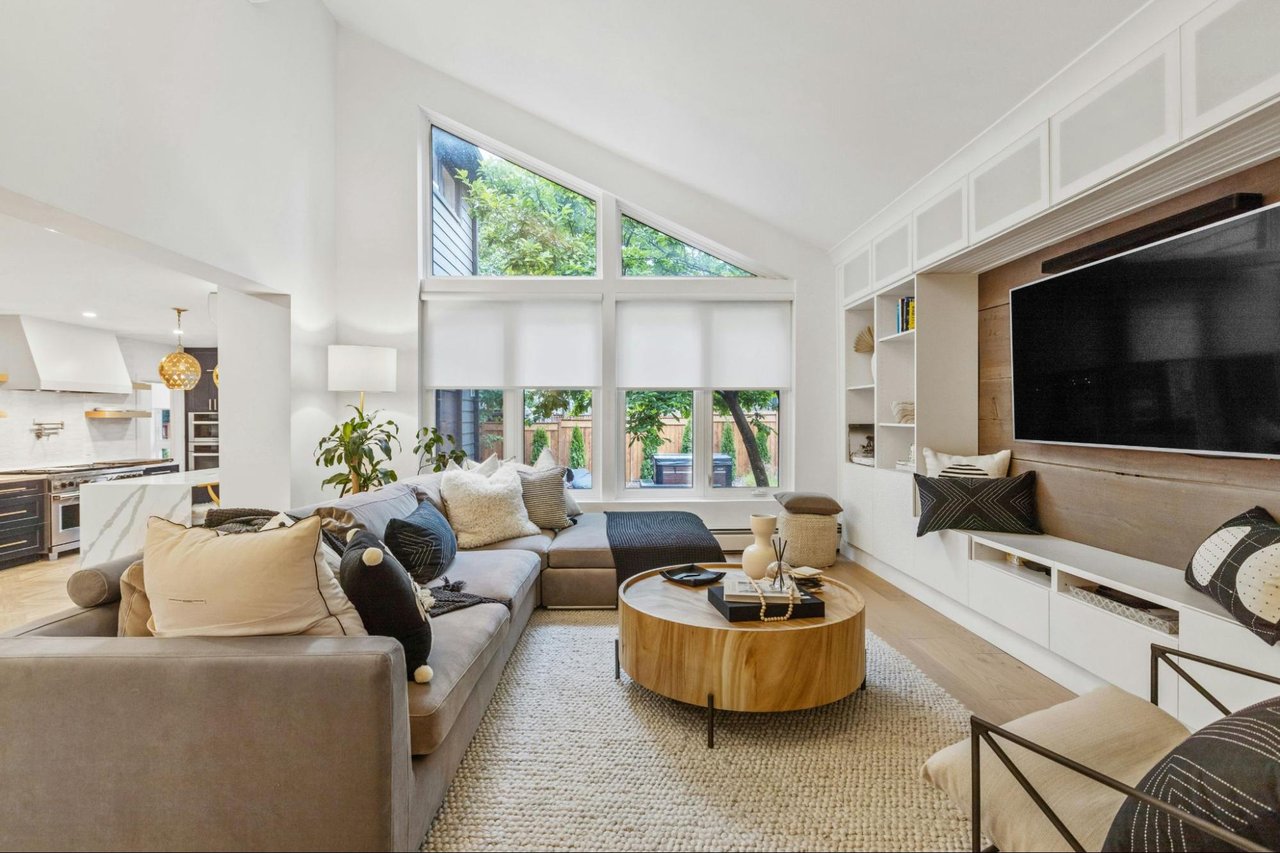
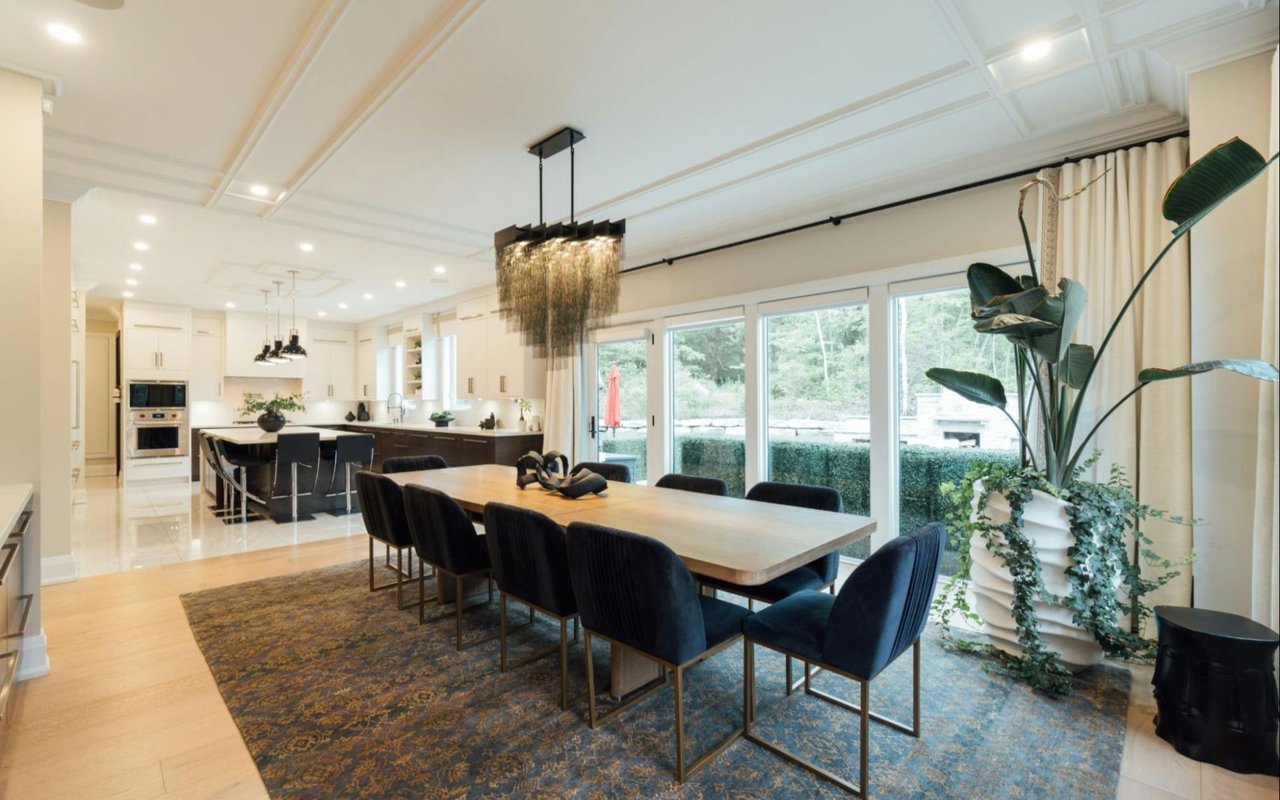
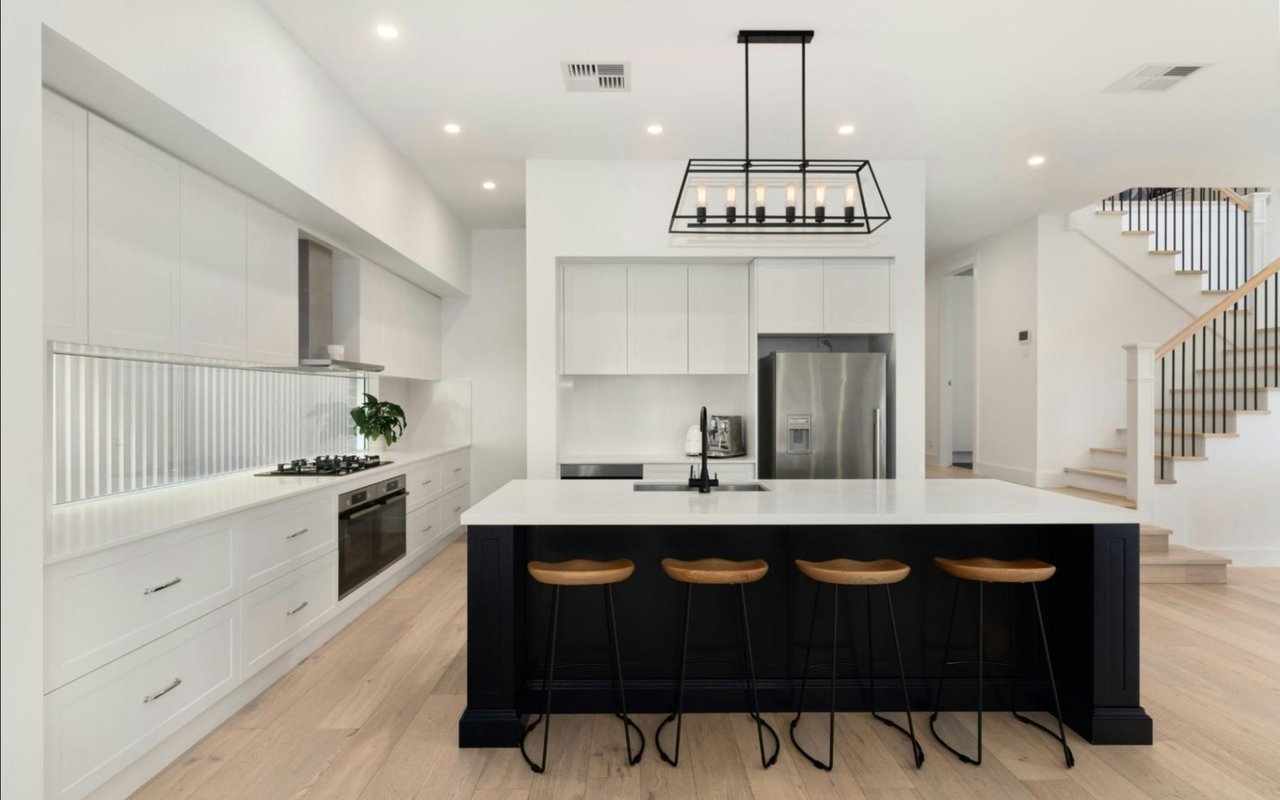
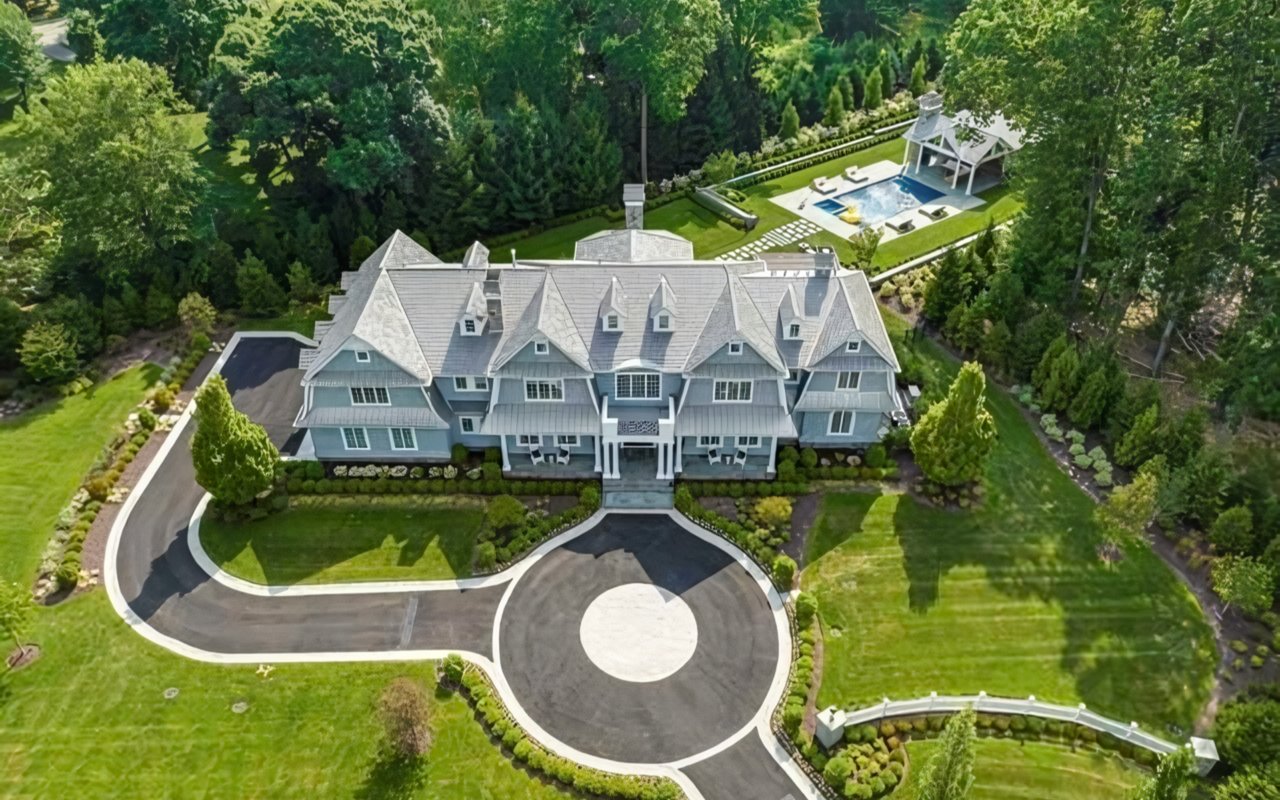
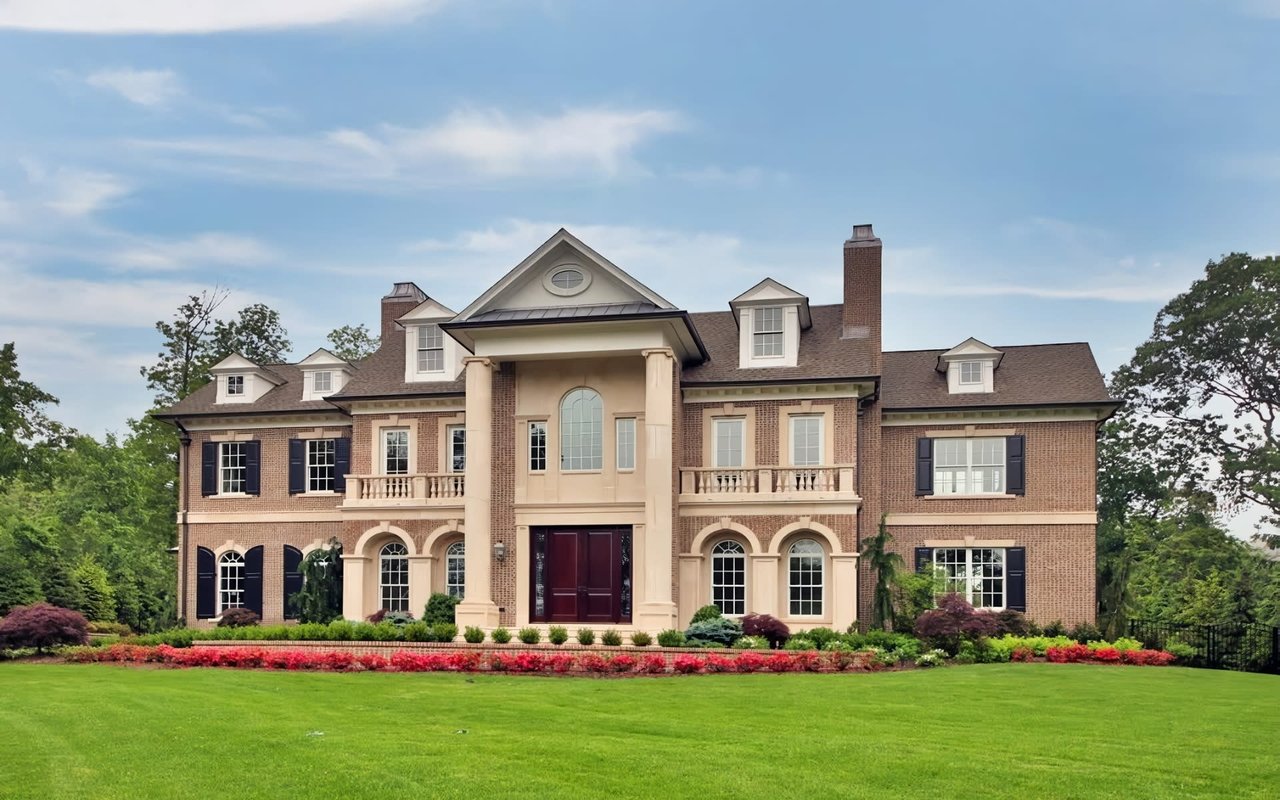
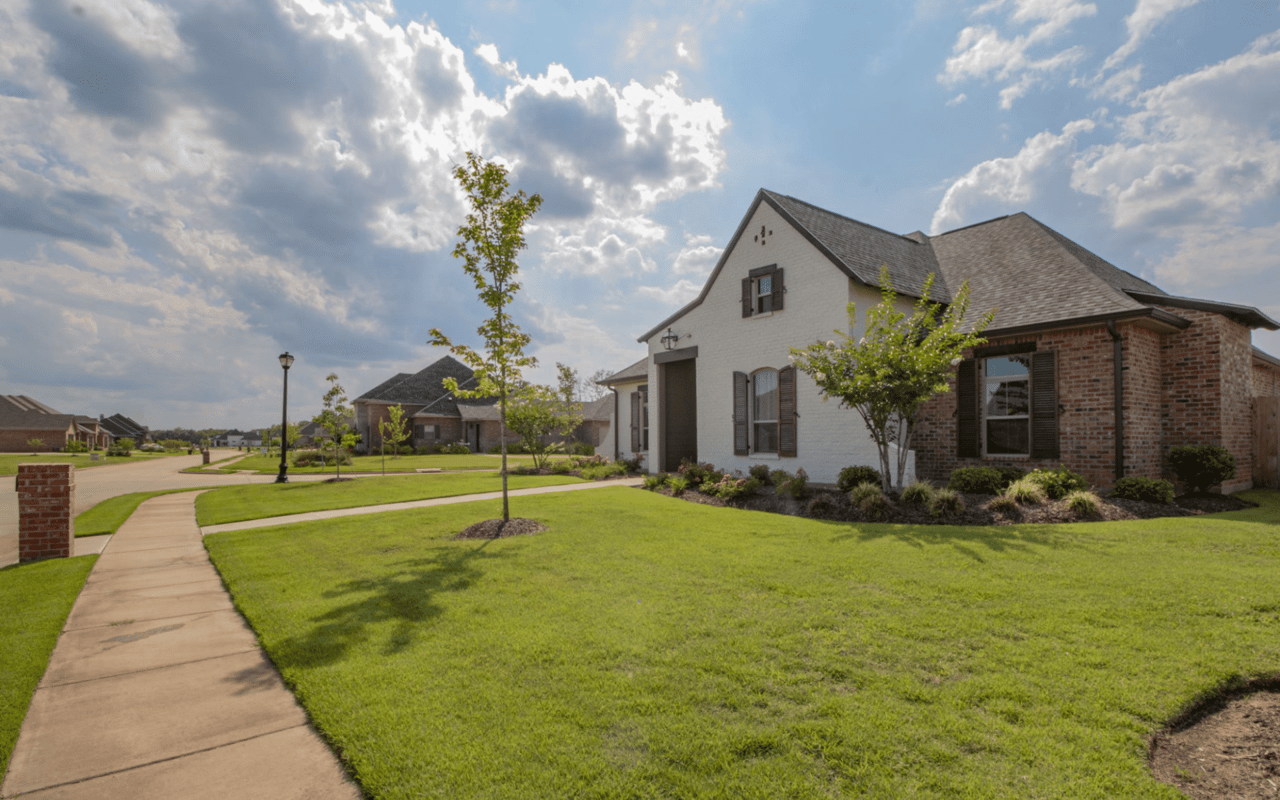
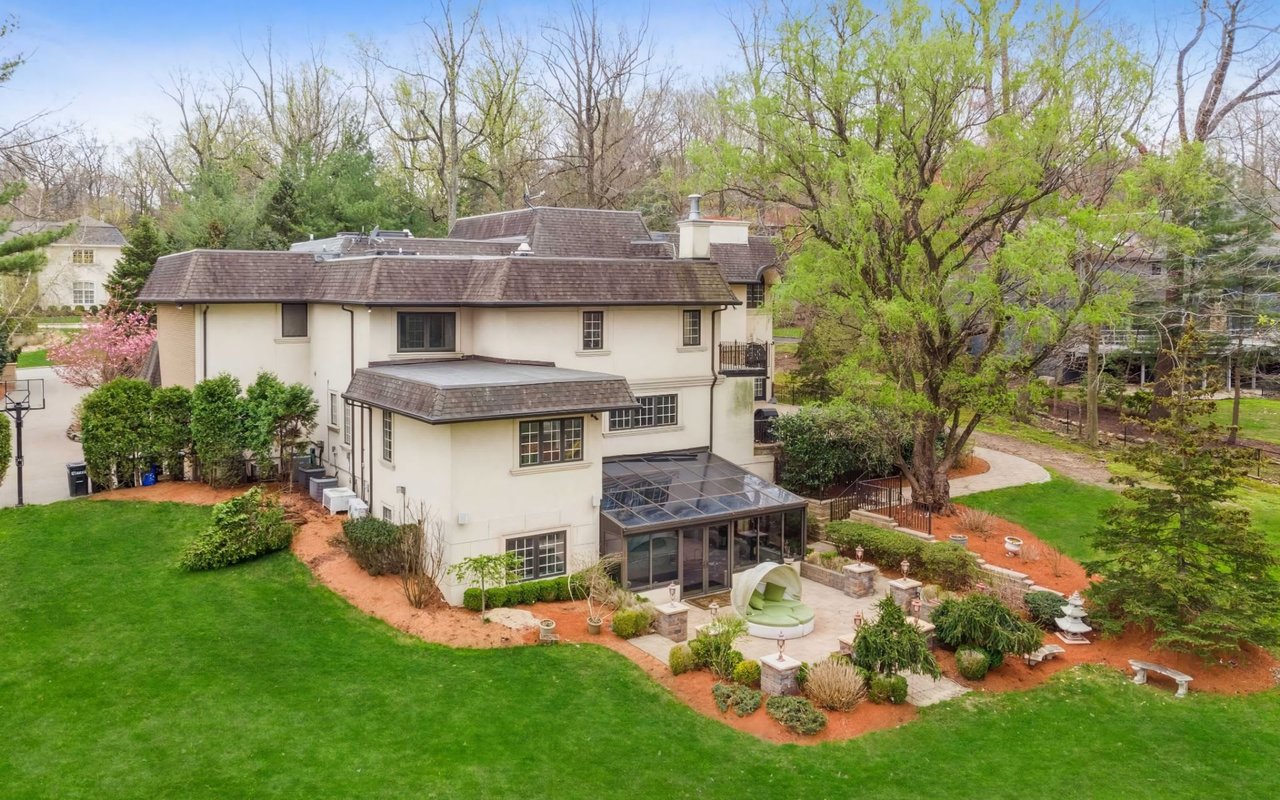
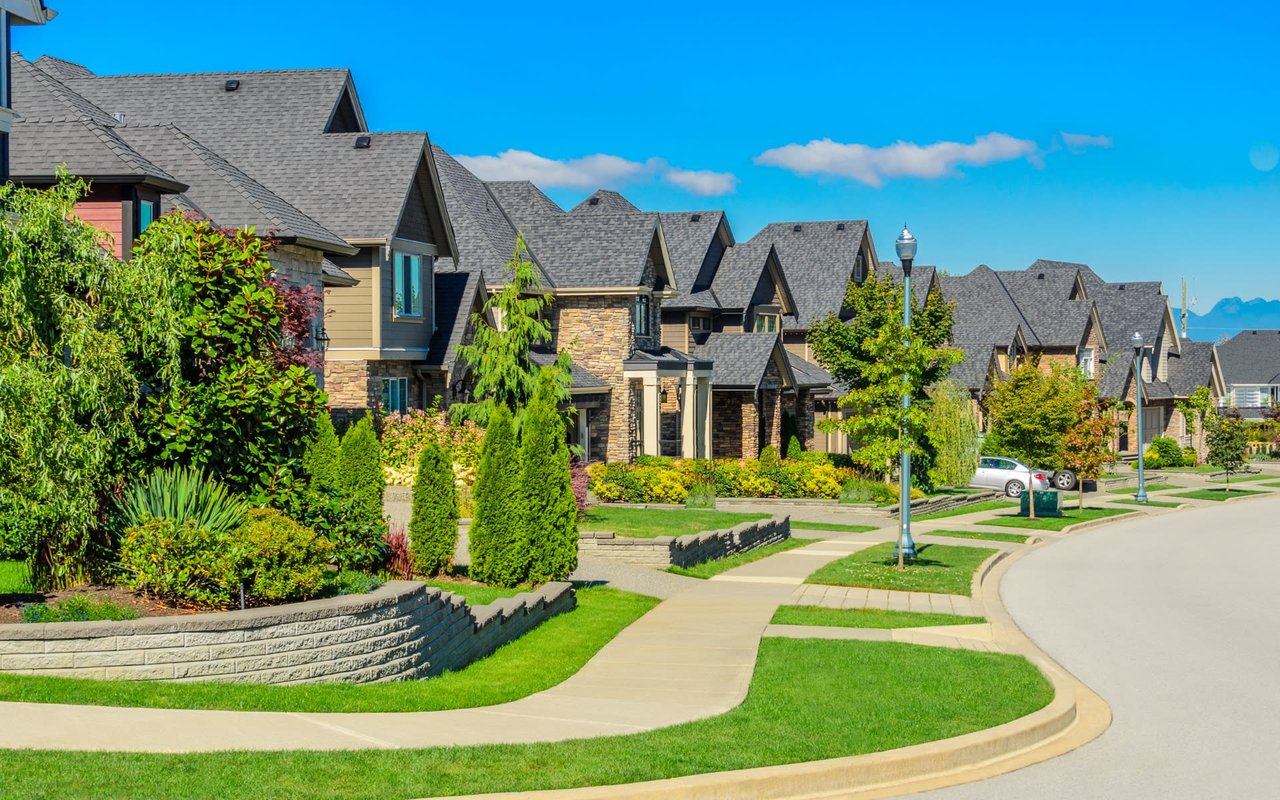
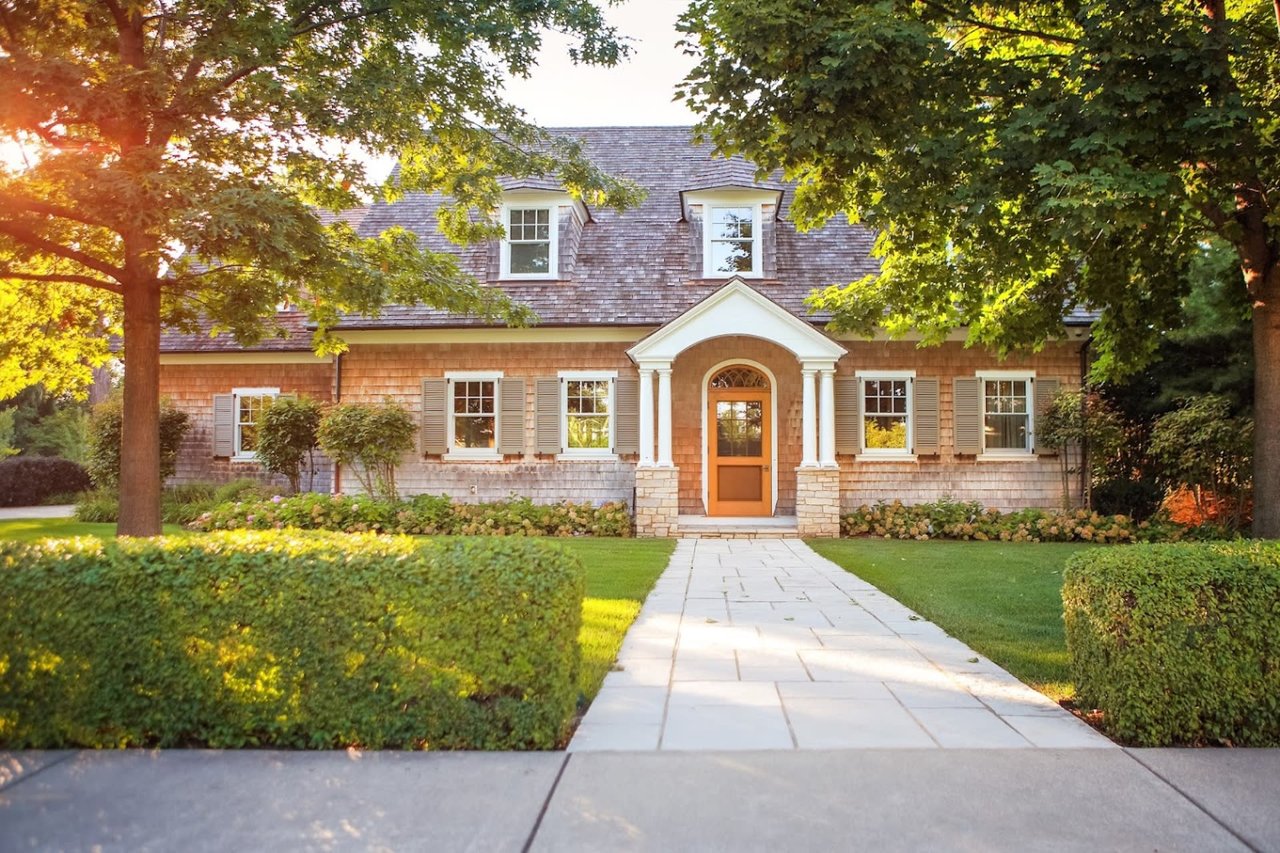
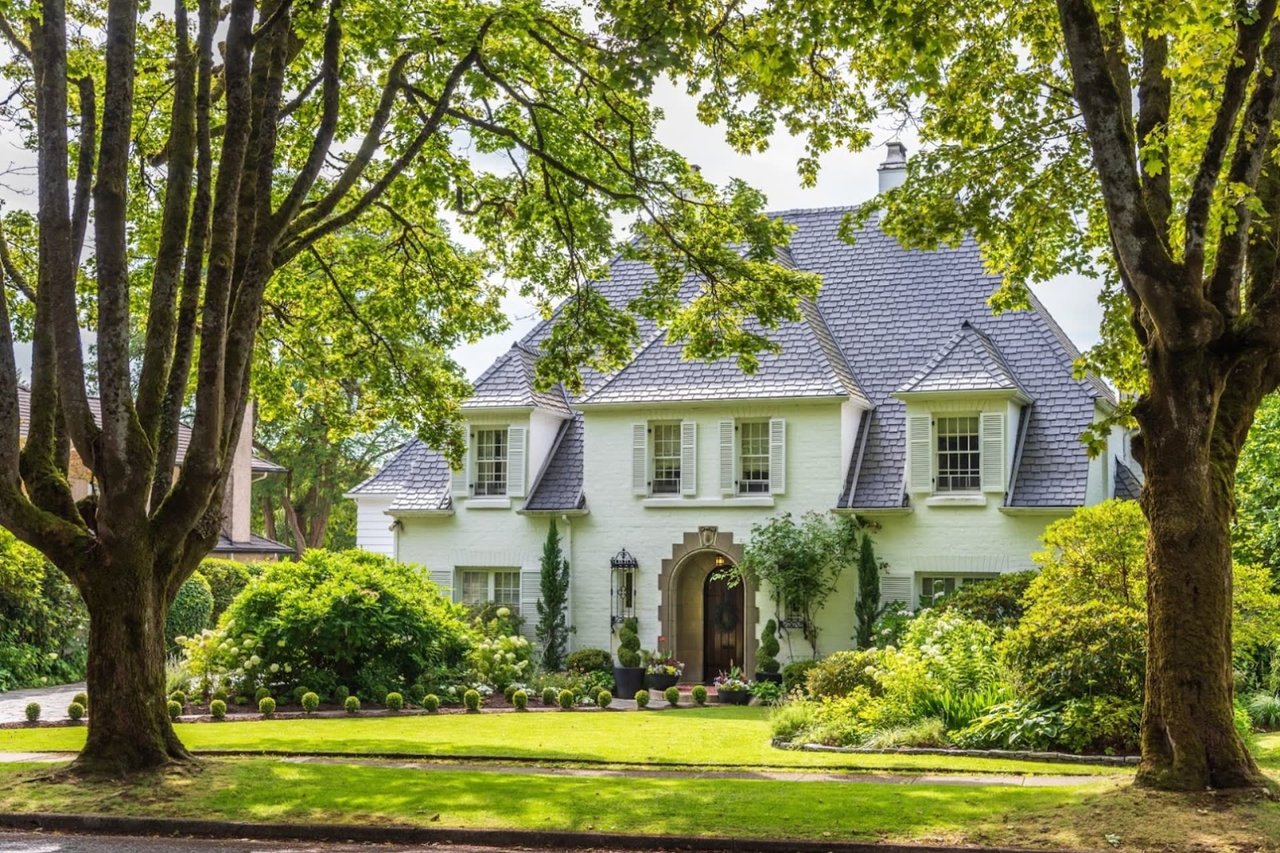
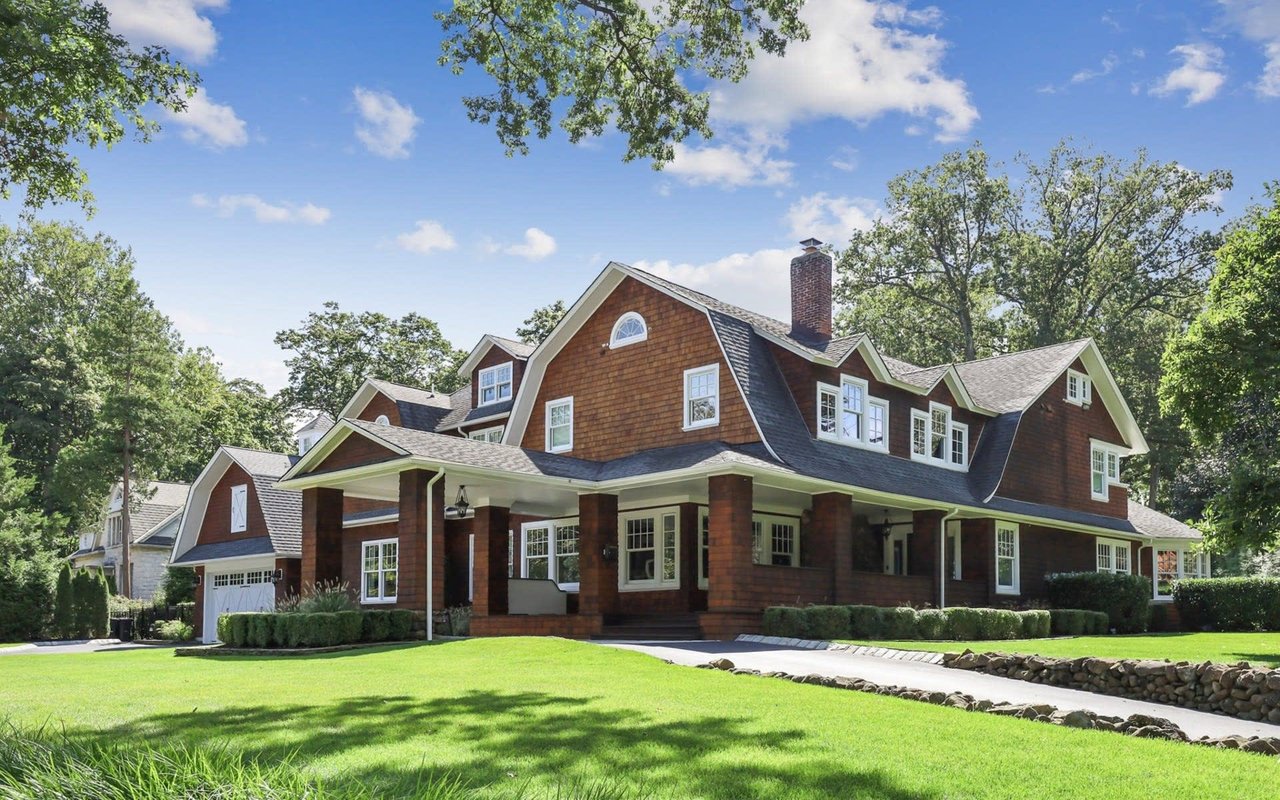
Closter’s available inventory is heavily weighted toward single-family homes. At the time of the research capture, Zillow showed 25 active single-family listings in Closter, ranging from $675,000 to $4,888,000. Many listings sat between roughly $749,000 and above $2 million, which supports Closter’s reputation as an upscale suburban market.
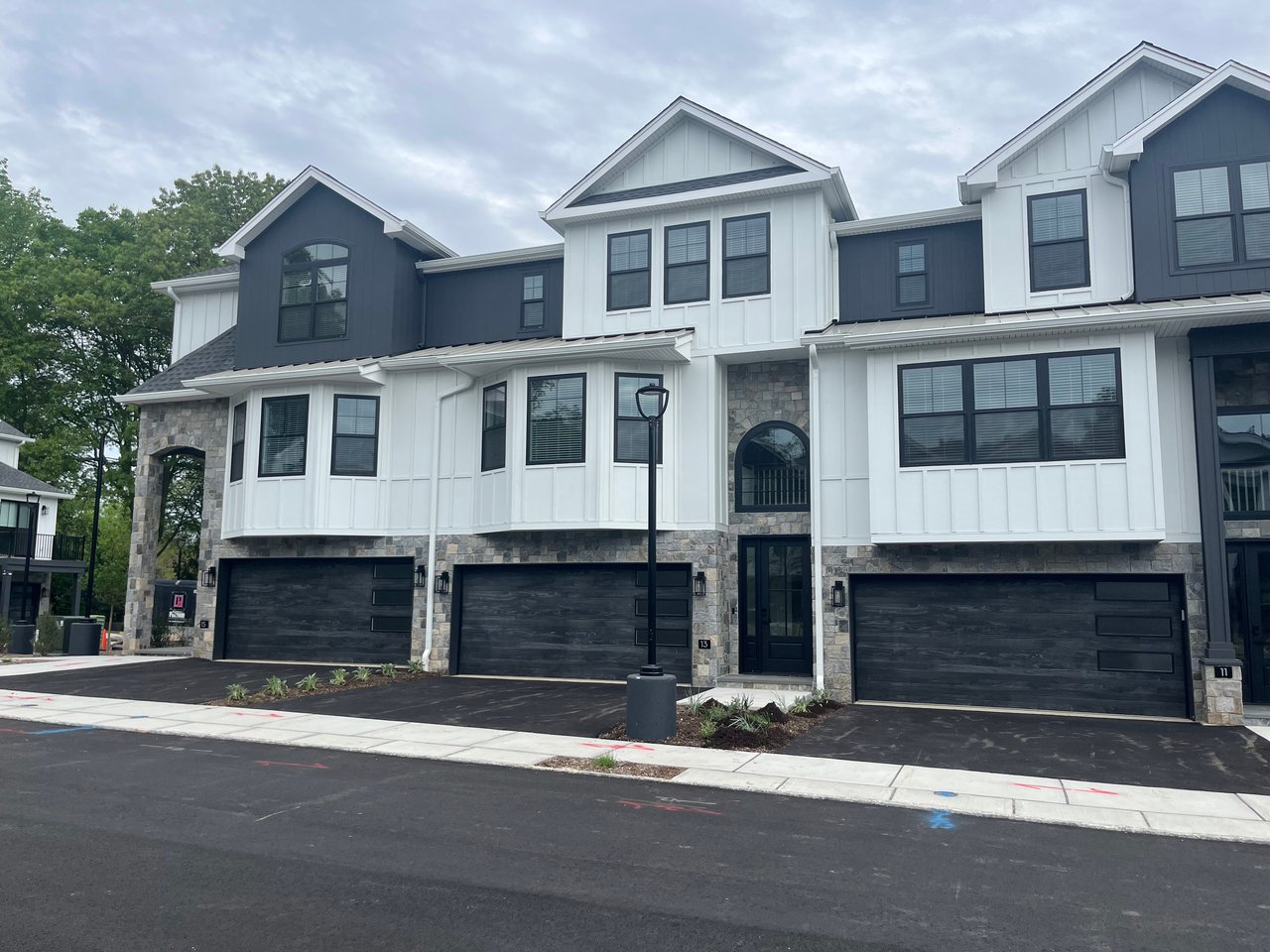
If you are searching for attached housing, your options may be limited in town. Zillow showed no condo listings at capture, and only two duplex or triplex results associated with Closter, with more matching options appearing in nearby towns. If low-maintenance living is important to you, it may make sense to widen your search area rather than wait for a large volume of local inventory.
For many buyers, that means your Closter search will center on detached homes, lot size, layout, and overall condition. In this type of market, clarity matters. Knowing your must-haves before you start touring can help you move faster when the right home appears.
Why Closter appeals to upscale buyers
For buyers moving within Bergen County or coming from Manhattan-adjacent areas, Closter often stands out for its suburban setting and higher-end housing stock. The current listing range shows that buyers can find everything from smaller entry points by local standards to large luxury properties. That variety creates opportunity, but it also means each price tier can behave a little differently.
Closter also has a defined local school structure that buyers often want to understand early. Closter Public Schools serves preschool through grade 8, with Hillside Elementary serving preschool through grade 4 and Tenakill Middle School serving grades 5 through 8. After grade 8, students attend the Northern Valley Regional High School District, which serves Closter along with six other sending towns.
When you are comparing homes, it helps to think beyond the house itself. Commute patterns, property size, renovation needs, and long-term carrying costs all shape whether a purchase feels right. In a premium market, those details matter just as much as the list price.
Offer strategy in a near-list market
Closter is not a market built for casual bargain hunting. With homes selling at 99.6% of list price on average, and some hot homes moving for about 5% above list price, well-priced listings deserve a thoughtful and clean offer. Waiting too long or opening too low can cause you to miss an opportunity.
That does not mean every home requires an aggressive over-ask bid. It means your strategy should match the specific property. A well-presented home in a desirable price band may need speed and strong terms, while a home with longer days on market or prior price adjustments may offer more room for negotiation.
Before you make an offer, it is wise to decide where you will be flexible and where you will not. Price is only one part of the equation. Closing timeline, inspection terms, financing strength, and your readiness to move through the next steps can all shape how competitive your offer feels.
Attorney review in New Jersey
One of the most important differences in New Jersey is attorney review. According to the New Jersey Department of Banking and Insurance, a contract prepared by a real estate licensee must include an attorney review clause. Once the fully signed contracts are delivered, the buyer and seller have three business days to consult an attorney.
During that period, the attorney can suggest changes to the agreement or declare it null and void. This is why accepted does not always mean final in New Jersey. You should understand this stage before you offer so the process feels expected, not stressful.
The contract itself should cover major deal terms such as the purchase price, down payment, deposits, items included in the sale, financing timing, closing and possession dates, and title and inspection provisions. In a high-value purchase, getting these details right from the start helps reduce surprises later.
Inspections: more than a formality
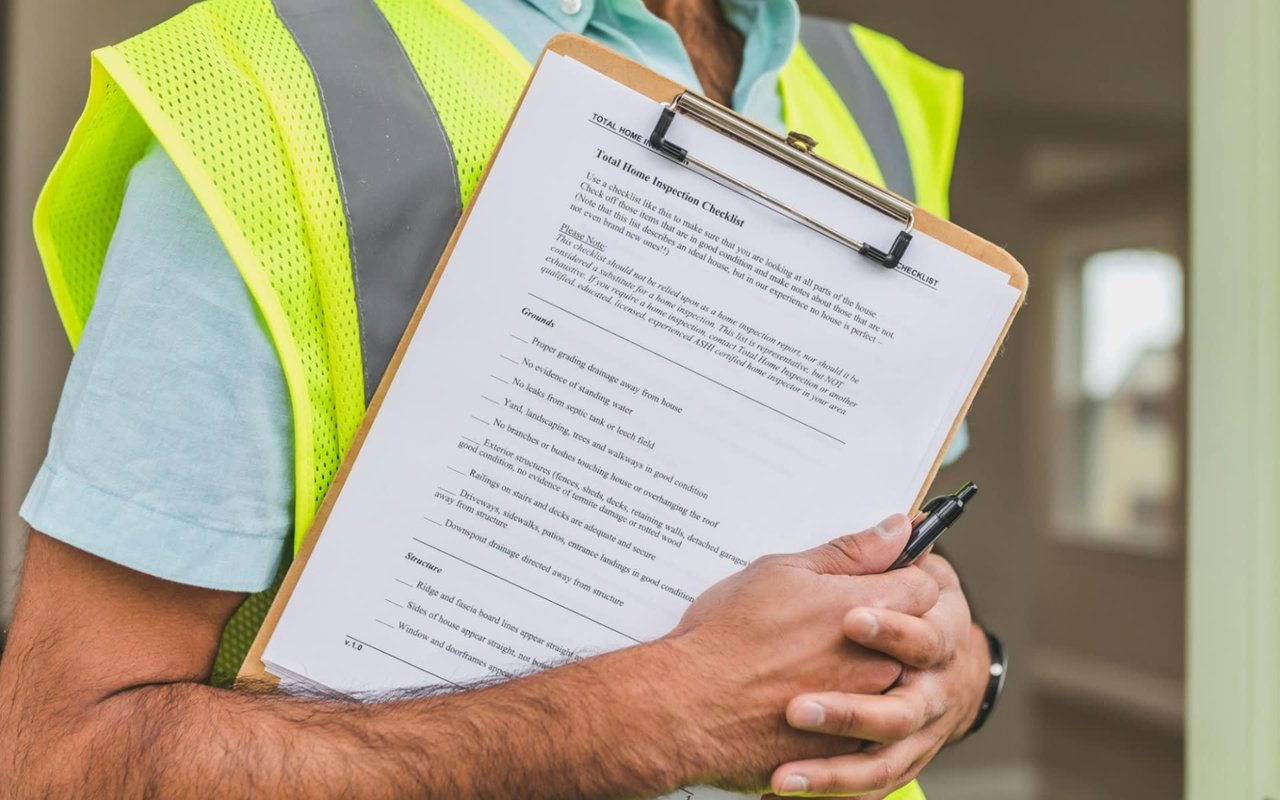
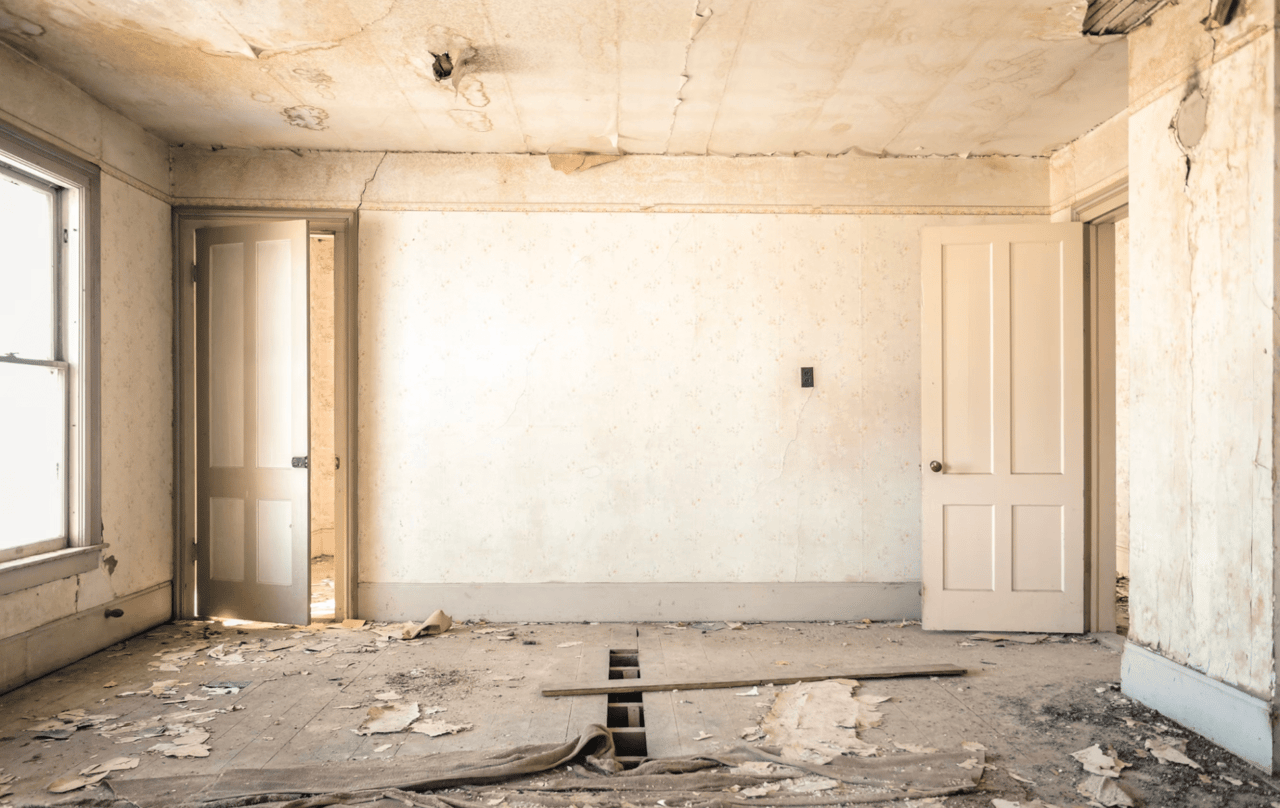
In Closter, the inspection phase deserves real attention, especially if you are buying an older home. NJDOBI recommends hiring a qualified independent home inspector soon after the contract becomes binding. That inspection typically reviews the structure and major mechanical systems and identifies defects or items to repair or replace.
The timeline matters. If the inspection reveals issues, the next steps are controlled by the deadlines in your contract for delivering reports and resolving requests for repairs or credits. Missing those deadlines can weaken your position.
You should also expect property-specific checks to come up in New Jersey. NJDOBI lists items such as termite inspections, surveys, well or septic evaluations, flood searches, radon testing, smoke detector certification, and certificates of occupancy as possible pre-closing items depending on the property. For Closter buyers, that means due diligence often goes well beyond a standard general inspection.
Lead, radon, and flood disclosures
If you are considering an older home, lead-based paint rules are important. For homes built before 1978, sellers must provide lead-based paint disclosures and any records they have. The New Jersey Department of Health notes that buyers have a 10-day period to conduct a lead-based paint inspection or risk assessment at their own expense.
Radon is also part of the normal conversation in New Jersey. NJDEP notes that most radon tests in the state are performed during real estate sales. Even when a home looks immaculate, a radon test is a separate check that many buyers treat as standard practice.
Flood disclosure is another item you should not overlook. NJDEP’s flood-disclosure law requires sellers to disclose certain flood-risk information before a purchaser becomes obligated, and that requirement has applied to sales since March 20, 2024. If flood risk may affect a property, you will want that information early so you can evaluate the full ownership picture.
Appraisal planning before you bid
An appraisal is separate from the inspection, and it serves a different purpose. A lender may require an appraisal when you borrow to buy a home, and the appraisal is a professional opinion of the home’s value. If the appraised value comes in below the contract price, your financing may not cover the full amount you planned.
That matters in a market like Closter, where some homes sell above asking and the overall sale-to-list ratio is very close to 100%. Before you submit an offer, decide how much additional cash you could bring if the appraisal lands short. That way, you are making a decision in advance rather than reacting under pressure.
In some situations, a lower appraisal can lead to renegotiation. In others, the buyer chooses to cover the gap. The key is to know your limit before emotions take over.
Taxes and closing costs to budget for
Property taxes in New Jersey require a close look. The state calculates property tax by multiplying the general tax rate by the assessed value, and Bergen County’s 2024 tax-rate table listed Closter at 2.116. Still, you should not assume that a list price multiplied by a tax rate tells the whole story.
Assessed value and market value are not always the same. Before you buy, review the actual tax bill, the property’s assessment history, and whether there has been a recent revaluation or reassessment. That gives you a more realistic view of your likely carrying costs.
Closing costs matter too, especially at Closter price points. NJDOBI says nonrecurring closing costs are often about 3% to 4% of the sale price. The same state guidance notes that mortgage processing can take 30 to 90 days if you are not already pre-approved, so financing should be lined up well before you start making serious offers.
A practical approach for Closter buyers
The buyers who tend to do well in Closter are usually the ones who come in prepared. They know their budget, understand their property type options, and have already thought through taxes, inspections, timing, and possible appraisal gaps. That level of preparation makes it easier to act decisively without feeling rushed.
In an upscale market, overpaying is not the only risk. Buying without understanding condition, disclosure issues, or long-term costs can be just as expensive. A measured, informed plan helps you compete while still protecting your interests.
If you are considering a move to Closter, the right guidance can make the process feel far more manageable. For tailored advice on Bergen County home searches, relocation moves, and luxury buying strategy, connect with The Kolsky Team.
FAQs
What is the current home price range in Closter?
- Current single-family listings captured by Zillow ranged from $675,000 to $4,888,000, with many homes falling between about $749,000 and above $2 million.
Is Closter mostly single-family homes or are there condos too?
- Closter’s active inventory appears to be mostly detached single-family homes. At the time of research capture, Zillow showed no condo listings and very limited duplex or triplex inventory in town.
What happens during attorney review in New Jersey home buying?
- After fully signed contracts are delivered, New Jersey’s attorney review period gives both buyer and seller three business days to consult an attorney, who can propose changes or cancel the contract.
What inspections should a Closter home buyer expect?
- In addition to a general home inspection, buyers may encounter radon testing, termite inspections, surveys, flood-related checks, and other property-specific evaluations depending on the home.
How should Closter buyers think about property taxes?
- You should review the actual tax bill, assessment history, and any revaluation or reassessment information rather than estimating taxes from list price alone.
How much should a buyer budget for closing costs in New Jersey?
- NJDOBI says nonrecurring closing costs are often about 3% to 4% of the property’s sale price, so buyers should include that in their cash planning early.