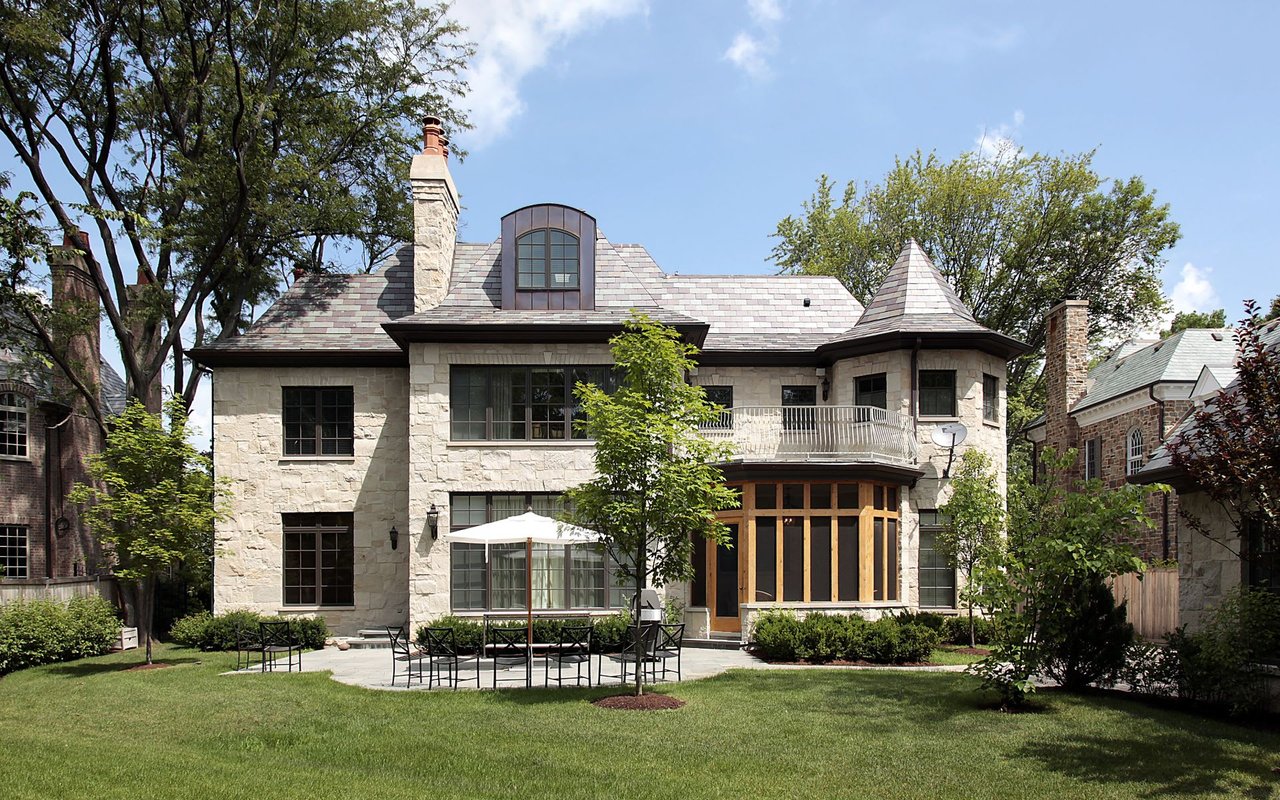
Fort Lee remains one of Bergen County's most in-demand communities for buyers seeking:
A skyline-view, high-rise lifestyle just minutes from Manhattan via the George Washington Bridge
One of the East Coast's largest concentrations of Korean-American businesses and culture along Main Street and Lemoine Avenue
A genuinely diverse housing stock spanning historic Palisades-adjacent single-family homes to brand-new luxury towers
Direct NJ Transit bus and ferry access to Midtown without ever needing a car
Meaningfully more affordable per-square-foot pricing than comparable Manhattan condos with the same commute
Fort Lee, NJ occupies one of the most historically significant and strategically located spots in Bergen County — perched atop the Palisades cliffs directly beside the George Washington Bridge, with a skyline view of Manhattan that few New Jersey communities can rival. Once the site of a Revolutionary War fort and later the birthplace of the American film industry in the early 1900s, Fort Lee has spent the past two decades transforming into one of the region's most dynamic residential markets — its 2020s skyline reshaped by luxury towers like The Modern's 47-story twin towers and the Shops at Hudson Lights mixed-use district. Today, roughly 43.6% of Fort Lee's population is Asian-American, and the borough is home to the largest concentration of Korean-American businesses on the East Coast, giving the community a cultural richness that sets it apart from its Bergen County neighbors.
High-Rise Condominiums Along the Palisades:
Fort Lee's most iconic housing type — luxury and mid-rise condominium towers along Palisade Avenue and Old Palisade Road command premium pricing for direct Hudson River and Manhattan skyline views. Buildings like The Palisades at 100 Old Palisade Road, along with newer developments including The Modern, represent the top tier of the borough's condo market, with luxury units listing from around $360,000 for smaller units up to well over $2 million for premium penthouse and skyline-facing residences.
Single-Family Homes on the Bluff:
Fort Lee's most coveted micro-market sits along Arcadian Way and below Palisade Avenue, where single-family homes command significant premiums for Hudson River and NYC skyline views. These properties, with an average single-family home age of 66 years and roughly 2,570 square feet, offer buyers a rare combination of suburban single-family living with a Manhattan-facing panorama.
Downtown and Main Street Co-ops and Condos:
Fort Lee's walkable downtown core, anchored by Hudson Lights and Main Street, offers a mix of co-ops, older condominium buildings, and newer mixed-use residences — generally more accessible entry points into the market than the Palisades-front towers, while still offering proximity to the borough's dining, shopping, and transit infrastructure.
Newer Luxury Rental and Mixed-Use Developments:
The Modern's twin towers, the under-construction Centuria development at the foot of the bridge, and the Shops at Hudson Lights complex have collectively added thousands of new high-end residential units over the past several years, reshaping Fort Lee's skyline and giving the borough a growing inventory of contemporary, amenity-rich living options.
Multifamily and Investment Properties:
Fort Lee's dense, transit-oriented character supports a meaningful multifamily and small investment property market, appealing to buyers and investors drawn to the borough's consistent rental demand from Manhattan commuters and the local business community.
Commute Options and GWB Access:
Fort Lee sits directly beside the George Washington Bridge, with an off-peak drive into Manhattan taking just 10 to 20 minutes (tolls ranging from roughly $14.79 off-peak to $16.79 peak as of 2026). NJ Transit bus service and the NY Waterway ferry from Edgewater offer direct, car-free alternatives — buyers should evaluate their specific commute needs and preferred mode before choosing a location within the borough.
View Orientation and Micro-Market:
Fort Lee's real estate value is heavily shaped by view and elevation. Palisades-front high-rises and Bluff-area single-family homes with Hudson River or Manhattan skyline views command significant premiums over comparable inland properties — buyers should factor this into both search priorities and long-term resale expectations.
New Development and Market Timing:
The addition of thousands of new luxury units through developments like The Modern and the under-construction Centuria has increased condo inventory and shifted market dynamics toward a more balanced, buyer-friendly environment in 2026 — a meaningful consideration for buyers who may have been priced out during the 2021–2022 peak.
Property Taxes:
Fort Lee's effective property tax rate of roughly 1.84% sits at the more moderate end of Bergen County's range, but buyers should still obtain current figures for any specific property and building, particularly given the wide variation between single-family Bluff-area homes and high-rise condominium units.
Cultural and Community Infrastructure:
Fort Lee's large Korean-American community and business corridor along Main Street, Lemoine Avenue, and Center Avenue is a defining feature of daily life in the borough — a meaningful consideration for buyers specifically drawn to this cultural infrastructure and its accompanying dining, retail, and community resources.
Lead with the View and Commute:
Fort Lee's Manhattan skyline views and unmatched proximity to the George Washington Bridge are the borough's two strongest selling assets — every listing, particularly for Bluff-area or Palisades-front properties, should make these features explicit with strong photography capturing both.
Highlight the Community and Cultural Indentity:
Fort Lee's dense concentration of Korean-American businesses, its historic Revolutionary War and film-industry heritage at Fort Lee Historic Park, and its walkable Main Street corridor are part of what buyers are choosing alongside the property — marketing that communicates this community character resonates with the borough's specific buyer pool.
Price to the Specific Micro-Market:
Given the meaningful variation between high-rise condos, Bluff-area single-family homes, and downtown co-ops, pricing should reflect building- and block-specific comparables rather than a borough-wide average — particularly important in a market where new luxury inventory has shifted overall pricing dynamics.
Prepare for a More Deliberate Market:
With days on market extending compared to the 2021–2022 peak, well-prepared, accurately priced listings — supported by professional photography and, for condo sellers, clear disclosure of building fees and any pending assessments — perform best in the current environment.
Timing:
Spring and early fall typically bring the strongest buyer activity in Fort Lee, aligning with both the broader Bergen County market cycle and steady year-round demand from Manhattan-adjacent buyers.
As of 2026, median home prices in Fort Lee range from approximately $390,000 to $550,000 depending on the data source and property type, with the median sale price for all home types around $482,000 as of mid-2026. Pricing varies significantly by property type — Palisades-front condos and Bluff-area single-family homes with skyline views command meaningful premiums, while inland single-family homes and downtown co-ops offer more accessible entry points.
Demarest primarily offers traditional Colonial and single-family residences on generous wooded lots, custom-built luxury homes, contemporary new construction, and a limited supply of historic character homes. The borough is exclusively residential single-family in character — there are no condominium developments or apartment communities within its borders.
Fort Lee offers high-rise luxury and mid-rise condominiums along the Palisades, single-family homes on the Bluff with Hudson River and Manhattan views, co-ops and condos in the walkable downtown core, newer luxury rental and mixed-use developments, and multifamily investment properties.
Yes. Fort Lee offers an A- rated public high school, a diverse and culturally rich community, active civic amenities including the Jack Alter Community Center and Fort Lee Historic Park, and seasonal programming at Constitution Park — all combined with genuinely walkable access to shopping and dining along Main Street.
Fort Lee sits directly adjacent to the George Washington Bridge, making the drive into Manhattan just 10 to 20 minutes off-peak. NJ Transit buses provide frequent, direct service to the Port Authority Bus Terminal, and the NY Waterway ferry from nearby Edgewater reaches Midtown in about 15 minutes — giving Fort Lee some of the most flexible, car-optional commuting options in all of Bergen County.
Fort Lee offers a dense, dynamic, and culturally rich lifestyle centered on its skyline views, its Korean-American business corridor along Main Street and Lemoine Avenue, and its unmatched proximity to Manhattan. Residents enjoy Fort Lee Historic Park on the Palisades, an active library and community center, and a growing collection of restaurants, shops, and luxury amenities within the borough's newer mixed-use developments.
Yes. Fort Lee's structural advantage — Manhattan-adjacent commuting at roughly half the price per square foot of comparable Manhattan condos — continues to support strong long-term demand, even as recent new luxury development has shifted the market toward more balanced, buyer-friendly conditions in 2026.
39,818 people live in Fort Lee, where the median age is 47.2 and the average individual income is $65,753. Data provided by the U.S. Census Bureau.
Total Population
Median Age
Population Density Population Density This is the number of people per square mile in a neighborhood.
Average individual Income
Fort Lee has 18,531 households, with an average household size of 2.15. Data provided by the U.S. Census Bureau. Here’s what the people living in Fort Lee do for work — and how long it takes them to get there. Data provided by the U.S. Census Bureau. 39,818 people call Fort Lee home. The population density is 15,816 and the largest age group is Data provided by the U.S. Census Bureau.
Total Population
Population Density Population Density This is the number of people per square mile in a neighborhood.
Median Age
Men vs Women
Population by Age Group
0-9 Years
10-17 Years
18-24 Years
25-64 Years
65-74 Years
75+ Years
Education Level
Total Households
Average Household Size
Average individual Income
Households with Children
With Children:
Without Children:
Marital Status
Blue vs White Collar Workers
Blue Collar:
White Collar: