Englewood remains one of Bergen County’s most genuinely diverse and distinctive communities for buyers seeking:
A rare combination of a walkable downtown (Walk Score 95-96, a true “Walker’s Paradise” for Bergen County) alongside multimillion-dollar estate living in East Hill
bergenPAC, one of New Jersey’s premier performing arts venues, anchoring a culturally rich civic life
Genuine housing variety — an unusual near-even split between detached single-family homes and condos/townhouses, giving buyers real flexibility across price points
Some of the closest George Washington Bridge access of any Bergen County city, just 5 minutes to the on-ramp via Route 4
Meaningfully more affordable pricing than neighboring Tenafly and comparable Fort Lee condo product, with local brokers describing the city as genuinely undervalued relative to its peers
Englewood, NJ is a small city of roughly 29,600 residents in eastern Bergen County — distinct from its smaller, wealthier neighbor Englewood Cliffs, with which it is often confused. Unlike many single-character Bergen County suburbs, Englewood genuinely spans the spectrum: a walkable, diverse downtown core along Palisade Avenue and Van Brunt Street, middle-class West Side neighborhoods, and the estate-scale East Hill section bordering Englewood Cliffs and Tenafly, which has historically been home to celebrities and dignitaries.
East Hill Estates:
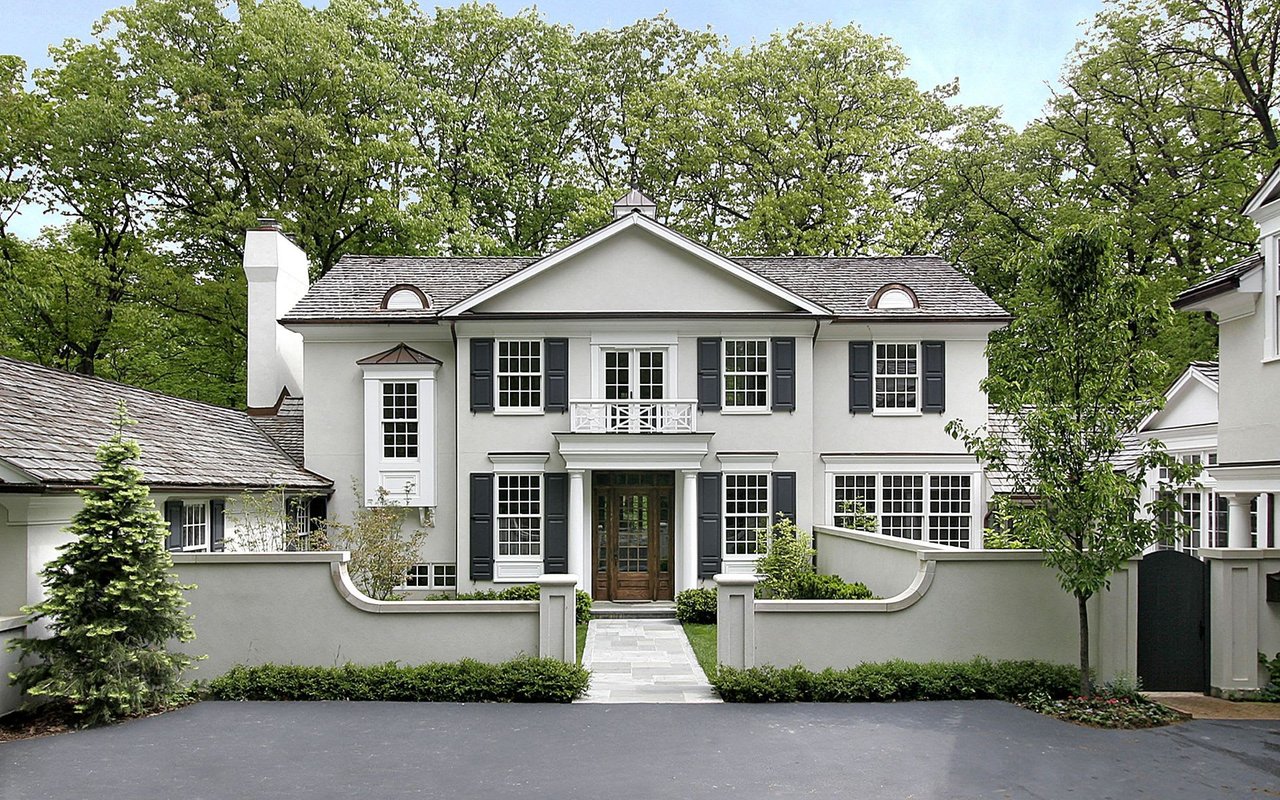
Englewood’s premium tier, offering large estate-scale lots and historic mansions along quiet, tree-lined streets bordering Englewood Cliffs and Tenafly. Recent listings have ranged widely depending on the specific month’s closings — medians have run from roughly $517,000 to as high as $1.78 million, with top properties (such as those on Hidden Ledge Road or Markham Circle) regularly clearing $1.4 million to $7 million for the area’s most significant estates.
Downtown and Walkable Core Condos & Co-ops:
Centered around Palisade Avenue and the downtown corridor, this segment offers the city’s most walkable housing — co-ops, condos, and mixed-use residences near bergenPAC, local shops, and restaurants. Condos have recently closed at a median around $436,250, representing the most accessible entry point into Englewood ownership.
West Side and Middle-Class Single-Family Homes:
Englewood’s West Side offers traditional single-family homes at more accessible price points than East Hill, appealing to first-time buyers and families who want detached housing without estate-tier pricing — recent single-family closings citywide carried a median around $750,000.
Townhomes:
A smaller but meaningful segment of Englewood’s market, townhouses have recently closed at a median around $712,500, offering a middle-ground option between condo living and a full single-family home.
Multifamily and Investment Properties:
Englewood’s diverse population and rental demand support a genuine multifamily and small investment property market, appealing to buyers and investors drawn to the city’s steady rental base and proximity to Manhattan.
Commute Options and GWB Access:
Englewood offers roughly a 5-minute drive to the GWB on-ramp via Route 4, among the closest bridge access of any Bergen County city, though it is not directly adjacent to the bridge the way Fort Lee is — buyers should test their specific commute route and timing before finalizing a purchase.
Section-Specific Market Behavior:
East Hill, downtown, and West Side Englewood each represent genuinely distinct micro-markets with their own pricing patterns, lot sizes, and buyer profiles — citywide medians can be misleading given how much section matters to final value.
School Options:
Public school quality is often cited as a value discount relative to neighboring Tenafly or Englewood Cliffs, which is part of why local brokers consider Englewood undervalued — buyers willing to use Dwight-Englewood, other private/parochial options, or without school-age children may find the strongest relative value, especially in larger pre-war homes near downtown.
Walkability and Downtown Access:
Englewood’s downtown Walk Score of 95-96 is genuinely rare for Bergen County, concentrated around the Palisade Avenue and Van Brunt Street corridor — walkability varies considerably by section, so buyers prioritizing a car-light lifestyle should focus their search accordingly.
Cultural and Community Infrastructure:
bergenPAC, with 1,367 seats and more than 200 shows annually, anchors Englewood’s cultural identity and is a meaningful amenity for buyers who value the arts alongside the city’s genuine ethnic and economic diversity.
Lead with Value and Walkability:
Englewood’s combination of a rare Walk Score for Bergen County, bergenPAC’s cultural draw, and pricing that remains below comparable Tenafly and Fort Lee product are the city’s strongest differentiators — marketing should make this relative-value case explicit.
Highlight East Hill's Estate Character Where Applicable:
For East Hill listings, large lot sizes, historic architecture, and the section’s history as home to notable residents are significant selling points that should be featured prominently in marketing and photography.
Price to the Specific Section:
Given the meaningful variation between East Hill estates, downtown condos, and West Side single-family homes, pricing should reflect section-specific comparables rather than a citywide median — particularly important given how differently each segment has moved year over year.
Prepare for a Competitive but Section-Dependent Market:
With a citywide median of 26 to 52 days on market and 58% of homes closing at or above asking, well-prepared, accurately priced listings continue to perform strongly — though sellers should expect more variation in pace between East Hill’s higher end and the more active downtown and West Side segments.
As of 2026, citywide figures vary by source and period, generally ranging from approximately $600,000 to $680,000 for the median sale price across all property types. Single-family homes have recently closed at a median around $750,000, condos around $436,250, and East Hill estates can range from roughly $1 million to $7 million or more for the most significant properties.
Englewood offers estate-scale single-family homes in East Hill, walkable downtown condos and co-ops near Palisade Avenue, more accessible West Side single-family homes, a meaningful townhouse segment, and multifamily investment properties.
Yes. The city offers Dwight-Englewood, a highly regarded private school, active civic life through bergenPAC’s cultural programming, and a genuinely diverse community — though buyers should research specific public school options and consider private or parochial alternatives as part of their decision.
Englewood offers roughly a 5-minute drive to the GWB on-ramp via Route 4, making it one of the more convenient Bergen County commutes to Manhattan, though it is not directly on the bridge corridor the way Fort Lee is — commute times vary by specific route and traffic conditions.
Englewood combines a rare, genuinely walkable downtown (Walk Score 95-96) with bergenPAC’s cultural programming and a wide spectrum of neighborhood character — from East Hill’s historic estates to the diverse, pedestrian-friendly Palisade Avenue corridor — giving the city a range few single-character Bergen County suburbs can match.
Yes. Englewood’s 2026 price growth has outpaced the broader Bergen County average, and local brokers consistently describe the city as undervalued relative to comparable neighbors like Tenafly and Fort Lee — a combination of genuine housing variety, cultural infrastructure, and bridge proximity that continues to support long-term demand.
29,638 people live in Englewood, where the median age is 41.5 and the average individual income is $59,017. Data provided by the U.S. Census Bureau.
Total Population
Median Age
Population Density Population Density This is the number of people per square mile in a neighborhood.
Average individual Income
Englewood has 11,274 households, with an average household size of 2.61. Data provided by the U.S. Census Bureau. Here’s what the people living in Englewood do for work — and how long it takes them to get there. Data provided by the U.S. Census Bureau. 29,638 people call Englewood home. The population density is 6,017 and the largest age group is Data provided by the U.S. Census Bureau.
Total Population
Population Density Population Density This is the number of people per square mile in a neighborhood.
Median Age
Men vs Women
Population by Age Group
0-9 Years
10-17 Years
18-24 Years
25-64 Years
65-74 Years
75+ Years
Education Level
Total Households
Average Household Size
Average individual Income
Households with Children
With Children:
Without Children:
Marital Status
Blue vs White Collar Workers
Blue Collar:
White Collar: